
Groundworks
Bulk Excavation in East Sussex, West Sussex, Kent and Nationwide
Reduced level digs, cut and fill, basement digs and site wide earthworks, moved with our own excavators and our own tippers, so the ground is at formation when the next trade needs it.
Overview
Bulk Excavation, Managed In-House
Bulk excavation is the stage where a site changes shape. Topsoil comes off, the ground is cut down to the levels on the engineer's drawing, hollows are filled and compacted, and whatever cannot be used is loaded out. The Blackford Group takes that whole stage on for developers, main contractors and private clients across East Sussex, West Sussex and Kent, and nationwide where the job calls for it, using our own excavators, dumpers and tippers rather than plant hired in for the week.
The reason clients bring us in for bulk dig specifically is volume. Moving a few hundred cubic metres is a machine and a skip. Moving several thousand is a programme in its own right: the right size of excavator loading the right number of lorries, a haul route that keeps the machine working instead of waiting, a tip or a receiving site that will actually take the material, and levels checked as the dig goes on so nobody digs too deep and buys the ground back in stone. That is the job we run.
We start with the levels and the ground investigation rather than the machine. The topographical survey and the proposed levels tell us the cut and the fill and roughly the surplus, the borehole and trial pit logs tell us what the material is and whether the engineer will accept it as fill, and the chemical results tell us whether any of it needs to go to a permitted site as hazardous waste. A trial hole or two goes in where the records look thin. From that we can give you a price that holds, with the muck away priced honestly instead of buried in a provisional sum.
Every load that leaves site travels on our own tippers under the waste duty of care, with transfer notes you keep. Material that stays is placed and compacted in layers to the earthworks specification, and formation is proof rolled or tested before it is handed over, so the slab, the road or the foundations that follow are sitting on ground that has been proven rather than assumed.
What we offer
Our Bulk Excavation Services
Reduced Level Digs
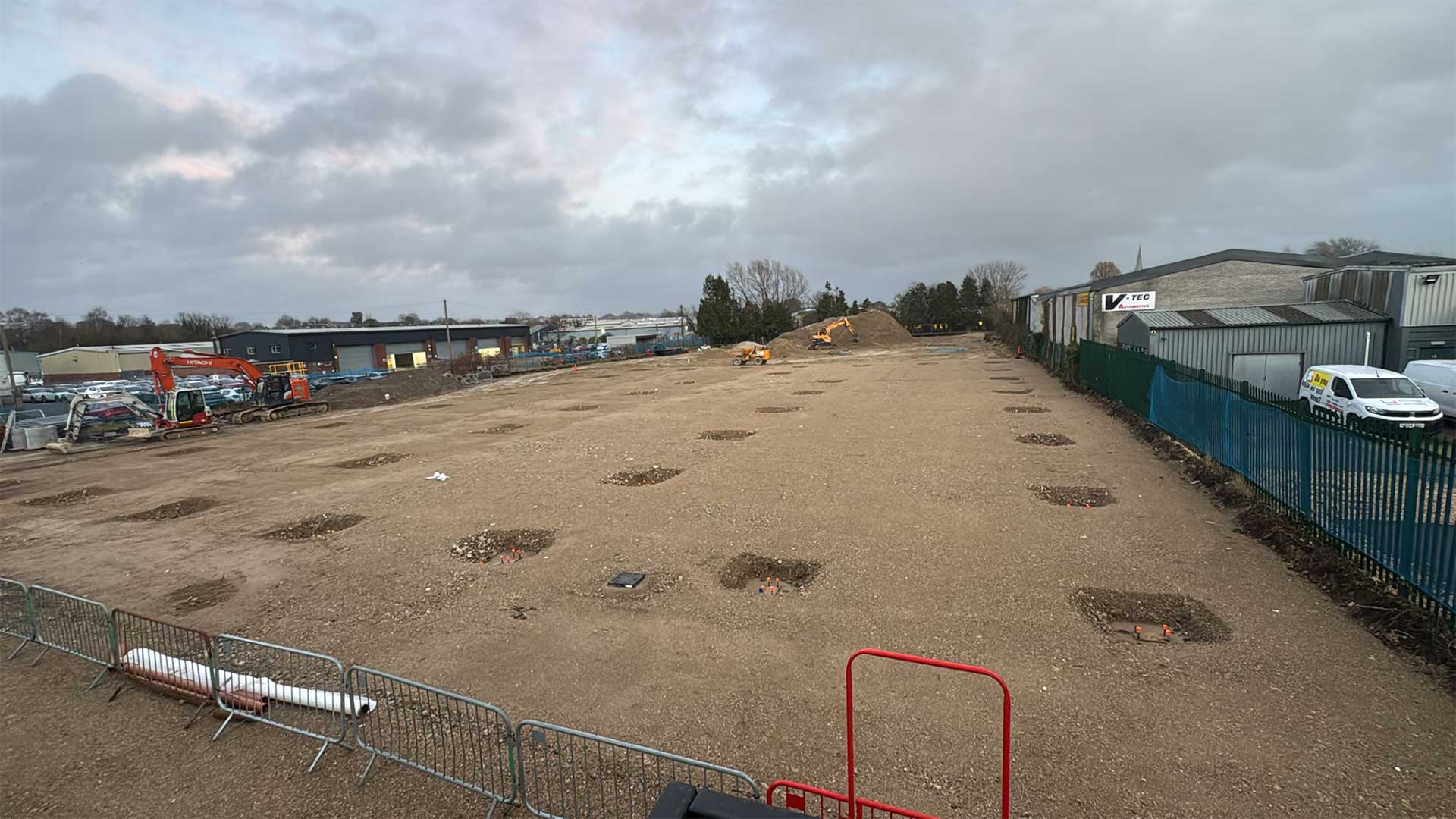
Taking a whole site, or a plot within it, down to the formation level on the drawing ready for foundations, slabs and roads. Topsoil is stripped and stockpiled separately for re-use or sale, then the subsoil is cut in benches by a tracked excavator loading directly to tippers, with the last 100mm or so trimmed by a grading bucket so formation is not disturbed by the machine.
Cut and Fill Earthworks
Balancing a sloping site by cutting the high ground and placing it in the low, so the finished platform sits at the levels the design needs with as little material leaving site as possible. Fill is placed in layers, compacted with the plant and the number of passes the specification calls for, and tested as it goes, so the platform will carry what is built on it.
Basement and Deep Excavations
Digging below the water table or below neighbouring foundations changes the method. Deep digs are sequenced with the temporary works designer, dug in stages behind sheet piles, contiguous piles or battered sides, dewatered where the ground needs it, and monitored so the excavation and the buildings next to it stay where they should.
Muck Away and Surplus Removal
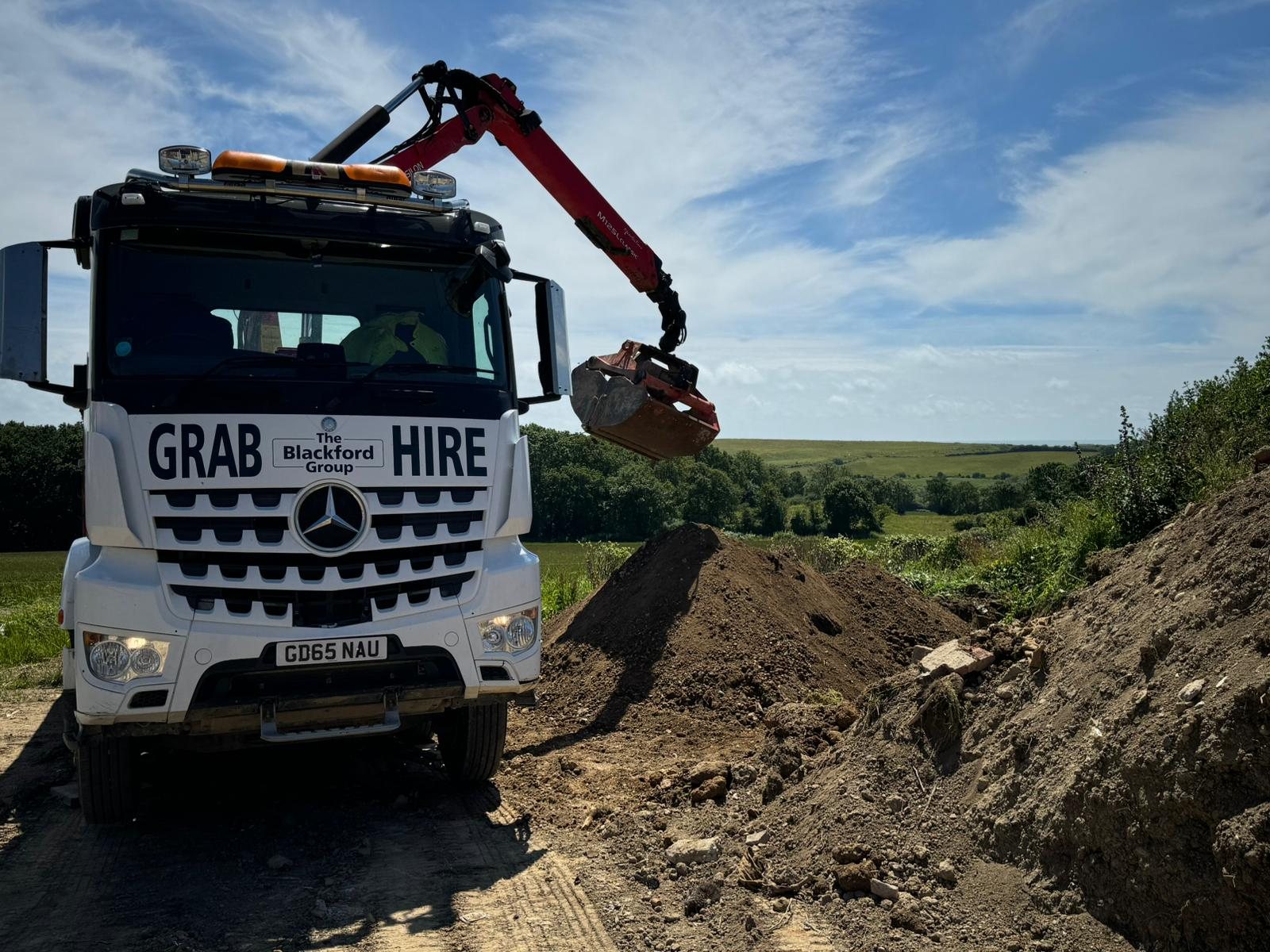
Surplus material is loaded straight onto our own tippers and taken to a permitted tip, an exemption site or a receiving development that can use it, with the waste classification sorted before the first load leaves. Because the lorries are ours, the dig is not sat waiting on a haulier who has been booked elsewhere.
Engineered Fill and Imported Material
Where a site needs building up rather than cutting down, we bring in and place granular fill, crushed concrete or recycled aggregate to the grade the engineer specifies, in compacted layers with the test results to show for it. Site won material is re-used wherever the engineer will accept it, which is usually the cheapest fill there is.
Piling Mats and Working Platforms
A piling rig, a crane or a mobile tower will only work safely from a platform that has been designed and built for it. We build piling mats and working platforms to the designer's thickness and material, test them, and issue the platform certificate the rig contractor asks for before tracking on.
Formation Preparation and Proof Rolling
Once the dig is at level the formation is proof rolled, soft spots are dug out and replaced, and the surface is tested by plate bearing or dynamic cone penetrometer where the specification asks for it. What is handed over is a formation with results behind it, not a surface that looks about right.
Ponds, Lagoons, Attenuation and Swales
Larger earthworks that are not buildings: attenuation basins, balancing ponds, swales, bunds and landscape mounds, shaped to the drainage engineer's levels and profiles with the spoil from the dig going into the landscape design wherever the plan allows.
How we work
How a Bulk Excavation Job Runs.
Survey, Levels and the Earthworks Balance
We take the topographical survey and the proposed levels and work out the cut, the fill and the surplus, then read the ground investigation to see what the material is and where it can go. That gives you a price based on quantities rather than a guess, and it tells us how many lorries and what size of machine the job needs.
Services, Access and Setting Out
Utility records are obtained and the site is scanned before a machine turns a wheel. The haul route, the stockpile areas, the wheel wash and the loading point are agreed so lorries can turn without churning the site to mud, and the datum and the grid are set out from the survey so the whole dig works from one reference.
Topsoil Strip
Topsoil comes off first and is stockpiled separately, clear of the working area, where it can be re-used for landscaping at the end of the job or sold on. Mixing topsoil into the subsoil dig turns a saleable material into waste, so the two are never handled together.
The Bulk Dig and Muck Away
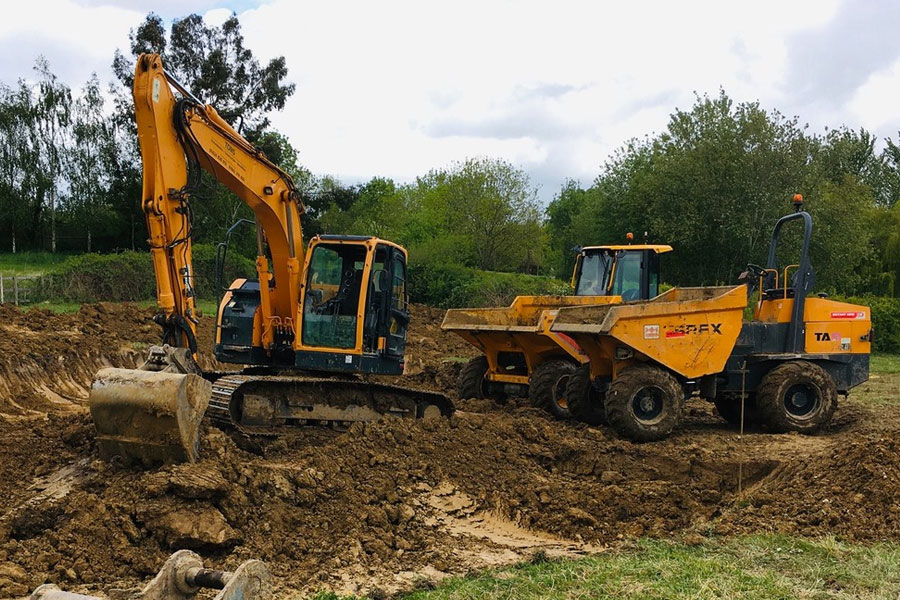
The excavator cuts in benches and loads straight to tippers, with the loads recorded and the material tracked to where it goes. Fill areas are built up in layers and compacted as the cut comes out, and levels are checked continuously with a GPS rover or a laser so the dig stops at formation rather than 100mm below it.
Formation, Testing and Handover
The last layer is trimmed, the formation is proof rolled and tested, soft spots are made good, and the surveyed levels, the compaction and bearing results and the waste transfer notes are handed over with the finished platform, ready for the piling rig, the foundations or the road build up.
Our kit
The Plant We Bring to a Bulk Excavation Job.
Tracked 360 excavators from 8 to 30 tonnes, with ditching, grading and digging buckets and quick hitches, sized to the volume and the access
Our own eight wheel tippers and grab lorries, so the muck away runs at the pace of the dig rather than at the pace of a haulage desk
Articulated and tracked dumpers for moving material across the site where a lorry cannot go
Dozers and ride-on rollers for spreading and compacting fill in layers to the earthworks specification
GPS rovers, total stations and rotating lasers, so the cut, the fill and the formation all work from one datum
Cable avoidance tool and signal generator for locating buried services before the first bucket goes in
Plate bearing and dynamic cone penetrometer kit for proving the formation and the working platforms
Wheel wash, road sweeper and water bowser for keeping the highway outside the gate clean
Rules and duties
What the Law Asks of This Work.
CDM 2015 and Temporary Works
Every excavation job falls under the Construction (Design and Management) Regulations 2015. A deep or supported excavation is temporary works, so a temporary works designer sets out the support, the batter angles or the piling, and the sequence is written down before it starts. Excavations are inspected at the start of every shift and after anything that could have affected them, as the Regulations require.
Buried Services
A bulk dig covers a lot of ground quickly, which is exactly when a machine finds a cable nobody knew about. HSE guidance HSG47 is the standard we work to: records from every utility, a scan with a cable avoidance tool and signal generator, everything marked up, and hand digging or vacuum excavation to prove the position of anything close to the works.
Waste, the CL:AIRE Code and Soil
Excavated material is waste the moment it leaves the ground unless it is being re-used under a proper arrangement. On-site re-use runs under the CL:AIRE Definition of Waste Code of Practice with a materials management plan, and everything that leaves travels under the duty of care in Section 34 of the Environmental Protection Act 1990, classified first, with transfer or consignment notes you keep.
Dust, Mud and the Road Outside
A bulk dig makes dust in summer and mud in winter, and the highway outside the gate is not yours to spoil. Wheel washing, road sweeping, damping down and sheeted loads are part of how the job is priced and run, and where the site sits near houses or a school the haul hours are agreed up front rather than argued about later.
Who we work for
Bulk Excavation for Every Kind of Client.
Commercial and Industrial
On a commercial site the bulk dig is the first thing on the programme and everything else waits for it. We run it to the main contractor's dates with enough lorries to keep the machine working, and hand over a tested platform the piling or the foundations can start on the day they are due.
Residential Development
Housing sites are usually a cut and fill exercise across the plots and the road corridor, with the topsoil kept for the gardens at the end. We phase the earthworks so plots are ready in the order the housebuilder wants to start them, not all at once and not last.
Infrastructure and Landscape
Attenuation basins, balancing ponds, embankments, bunds and landscape mounds are earthworks jobs in their own right. They are shaped to the engineer's profiles with the site's own spoil wherever the design allows, which saves the haulage in both directions.
On site
Bulk Excavation in Action
FAQs
Bulk Excavation Questions
How do you price a bulk excavation?+
From quantities, not a day rate. The topographical survey and the proposed levels give the cut, the fill and the surplus, the ground investigation tells us what the material is and where it can go, and the access tells us the size of machine and the number of lorries. You get a written price for the dig, the muck away and any imported fill, with the tipping priced against the actual waste classification rather than an optimistic one.
Can the excavated material stay on site?+
Often, and it is the cheapest fill you will get. It depends on whether the engineer will accept it, which comes down to what it is and how wet it is, and on it being handled under the CL:AIRE Definition of Waste Code of Practice with a materials management plan. Clay that is too wet to compact sometimes needs a spell in a stockpile, or a lime or cement treatment, before it can be placed.
What happens if the ground is contaminated?+
It gets tested and classified before it is moved, not after. Contaminated material goes to a site permitted to take it under a consignment note, which costs more per load, so the earlier it is known the better the price holds. Where the contamination is limited to one area we separate it from the clean dig so you only pay the higher rate on the material that needs it.
How many lorry movements will there be?+
A rough guide is one eight wheel tipper for every 10 to 12 cubic metres of loose material, and dug material bulks up by around a quarter to a third compared with its volume in the ground. So 1,000 cubic metres of cut is somewhere over 100 loads. We tell you the number before the job starts, and we agree the haul route and hours with you and, where it matters, with the neighbours.
Do you dig basements?+
Yes, with the temporary works designed first. Below a certain depth, and anywhere near neighbouring foundations or the water table, an open dig is not safe, so the excavation is supported by sheet piles, contiguous piles or a designed batter and dug in the sequence the temporary works designer sets out, with dewatering and monitoring where the ground calls for it.
Can you give us a tested platform for the piling rig?+
Yes. A piling mat is designed for the rig that will work from it, built to that thickness and material, tested by plate bearing or similar, and signed off with a working platform certificate before the rig tracks on. It is part of the bulk dig package on most sites, because the platform is built from the formation the dig produces.
Related Groundworks Pages
Groundworks
Excavation, foundations, drainage, service ducting and concrete works, set out to the engineer's drawings and delivered nationwide by our own teams and plant.
→Civil Engineering
Drainage, roads and hardstandings, concrete structures, retaining walls and earthworks, built to the engineer's design by our own teams and our own plant.
→Other Divisions
If you have a site that needs taking down to formation, or a slope that needs balancing before anything can be built, the useful first conversation is about the levels and the ground. Send us the topographical survey, the proposed levels and the ground investigation if you have them, tell us where the site is and when the next trade needs the platform, and we will come back with a price that stands up and a programme that holds.
Need Bulk Excavation?
Tell us what you need moving, clearing or building and we will come back with a straight answer and a fair price.