
London, Greater London
Demolition and Groundworks Across London
Demolition, strip out, groundworks and muck away across London, from the City to the outer boroughs. Our own plant and fleet. Call 01424 830613.
Working in London
Demolition & Groundworks in London
London is never one job. A basement dig behind a Victorian terrace in Islington has almost nothing in common with clearing an old yard in Barking, and both are different again from a strip out on a 1970s office floor in the City. The Blackford Group is a demolition and groundworks contractor working nationwide from a yard at Upper Wilting Farm in St Leonards-on-Sea, East Sussex. London sits a straight run north of us, up the A21 to the M25 at Sevenoaks, so plant, tippers and crews move in and out of the capital as a matter of routine.
Access decides most London programmes before anything else does. The M25 hands you off to the A2, A20, A12, A13, A40 and A3, and from there you are on the North Circular, the South Circular and a web of borough roads laid out long before articulated lorries existed. Over the top of that sit the Congestion Charge in the centre, the ULEZ across every borough, the London Lorry Control Scheme limiting heavy movements at night and at weekends, and controlled parking on a great many residential streets. We plan the route, the load sizes and the timing of every movement rather than turning up and hoping the street works.
The building stock tells you what you will find once you open it up. Inner London is largely Georgian, Victorian and Edwardian brick with shallow footings, lime mortar, cellars and party walls shared with people who are at home while you work. The outer boroughs are dominated by interwar semis and postwar estates, a fair number of them built quickly in concrete panel systems, and there is a large stock of 1960s and 1970s offices, schools and industrial sheds now at the end of its useful life. Anything built before 2000 is treated as suspect for asbestos until a survey says otherwise.
Development in London clusters where old industry used to be. That means the Thames corridor east through the Royal Docks, Barking Riverside and Thamesmead, the Lea Valley up through Stratford and Tottenham, Old Oak and Park Royal in the west, Nine Elms on the south bank, and town centres such as Croydon, Wembley and Brent Cross. Planning and highways sit with the individual boroughs, from Southwark and Tower Hamlets to Ealing and Bromley, with the City of London Corporation running the Square Mile and the Mayor's London Plan sitting over the top. Every borough runs its own licences, hours and site conditions, so the paperwork changes as you cross the road.
Our services
What We Deliver in London
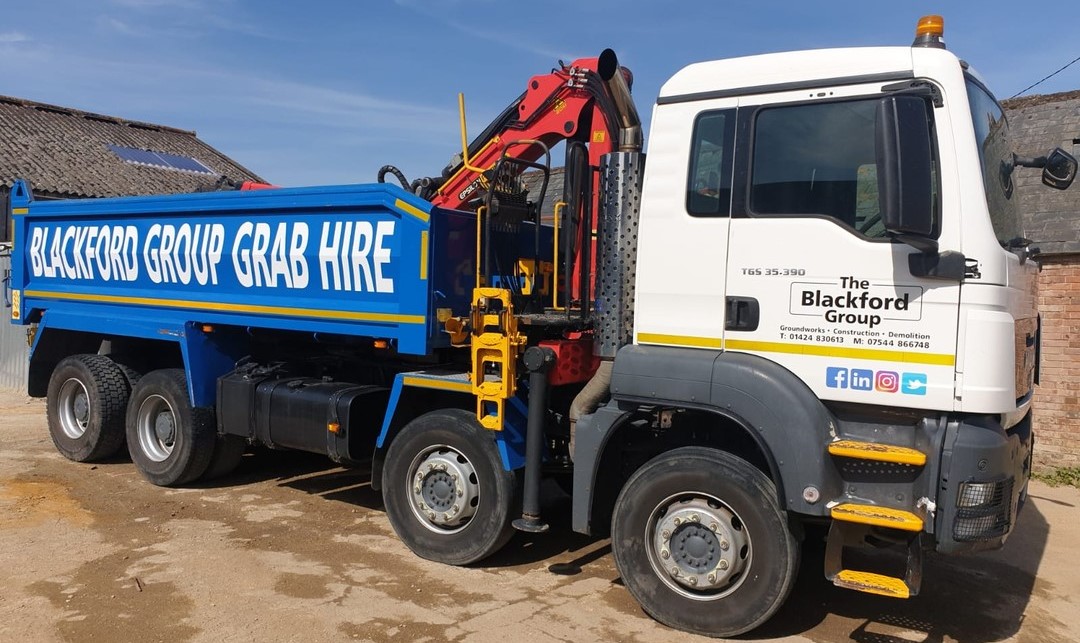
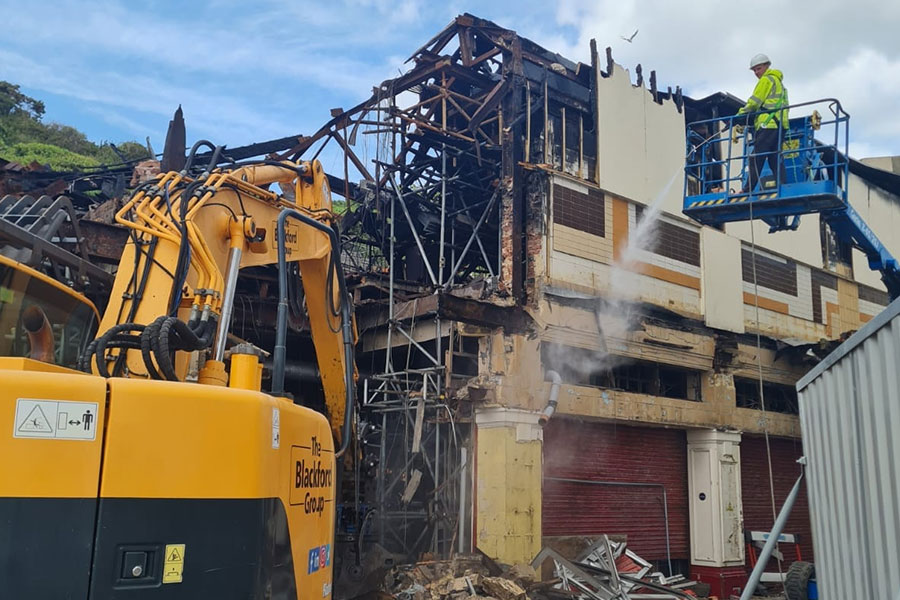
We run eight divisions: Demolition, Strip Out, Groundworks, Site Enabling and Remediation, Haulage and Muck Away, Sea Defence, Piling, and Underpinning. All of them are ours. On a London site that matters, because the plot is usually tight and the programme has no slack in it. One company strips the building out, takes it down, clears and remediates the ground, drives the piles, underpins what has to stay, forms the new foundations and drainage, then carts the arisings away on our own lorries. Fewer firms on a crowded site means fewer handovers, one programme and one number to ring when something changes. Our Sea Defence division is built around tidal and coastal work, which is worth knowing on the tidal Thames, where river walls and flood defences often form part of a riverside plot.
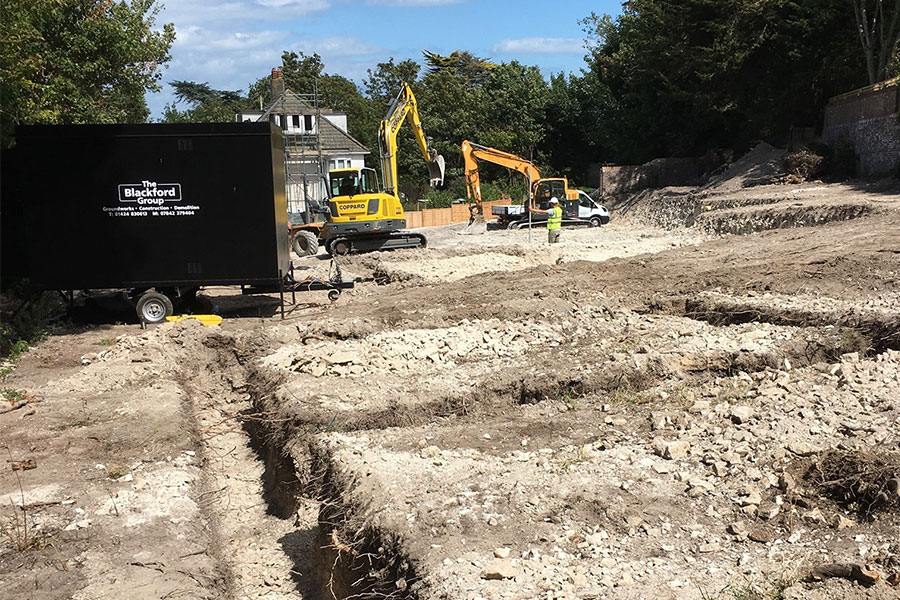
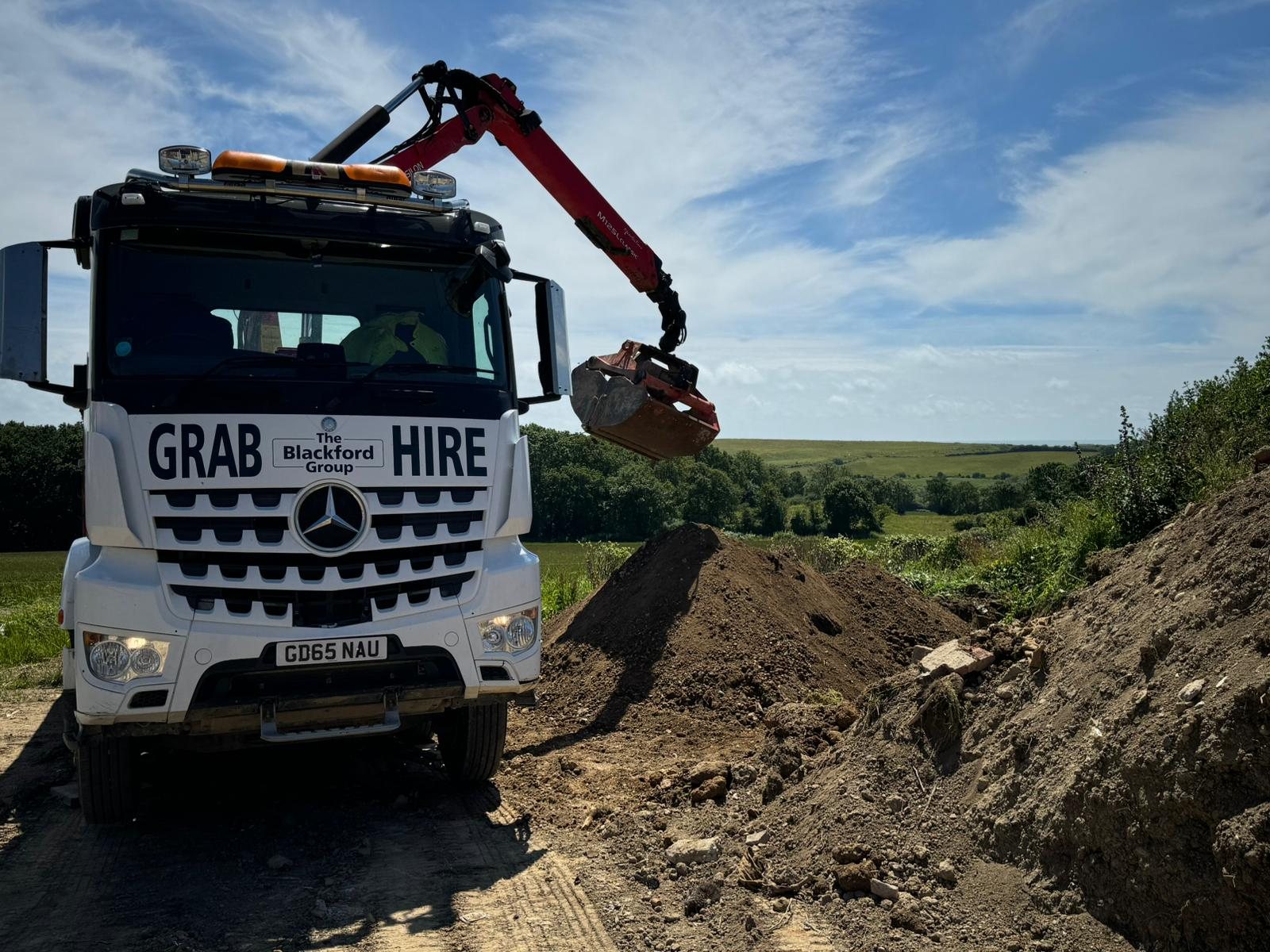
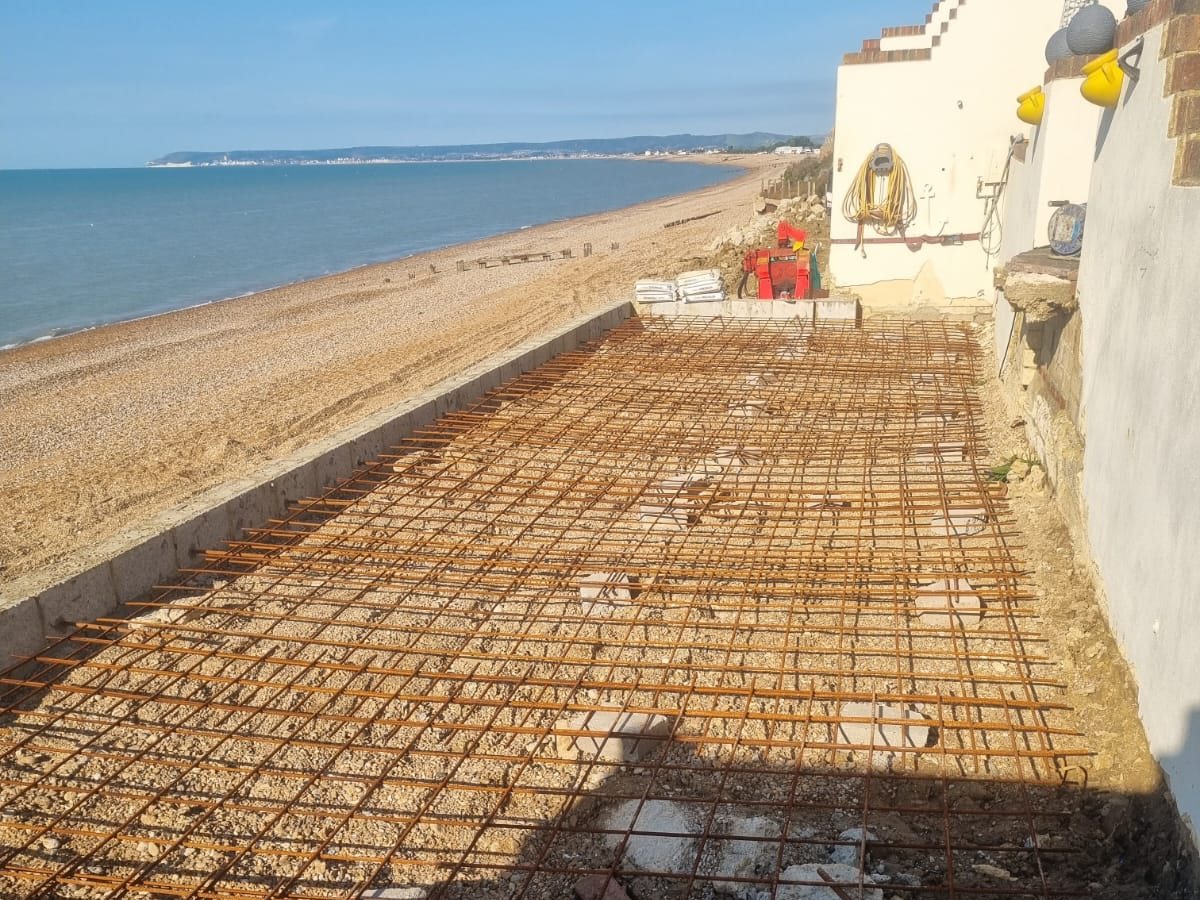
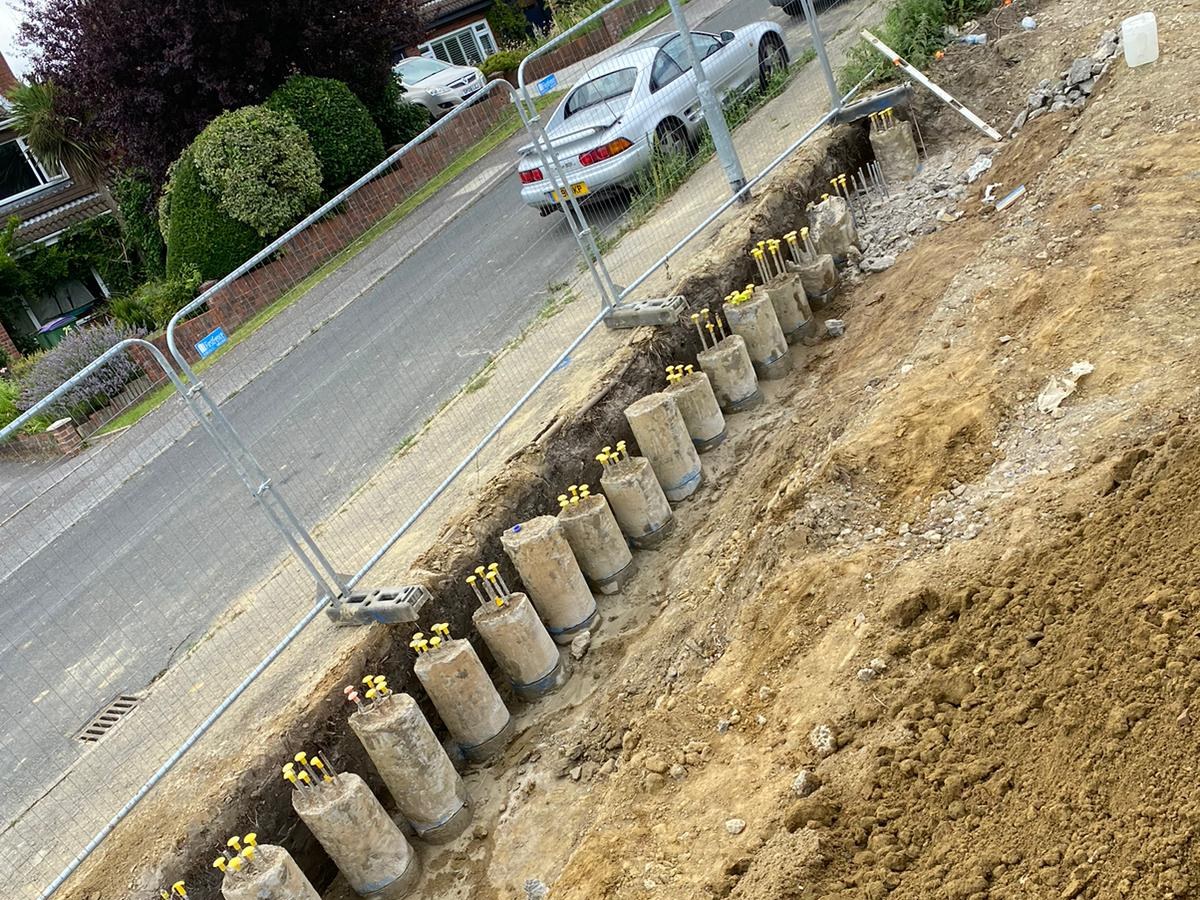
On the ground
What London Sites Actually Need.
Ground Under London: Clay, Gravel and Made Ground
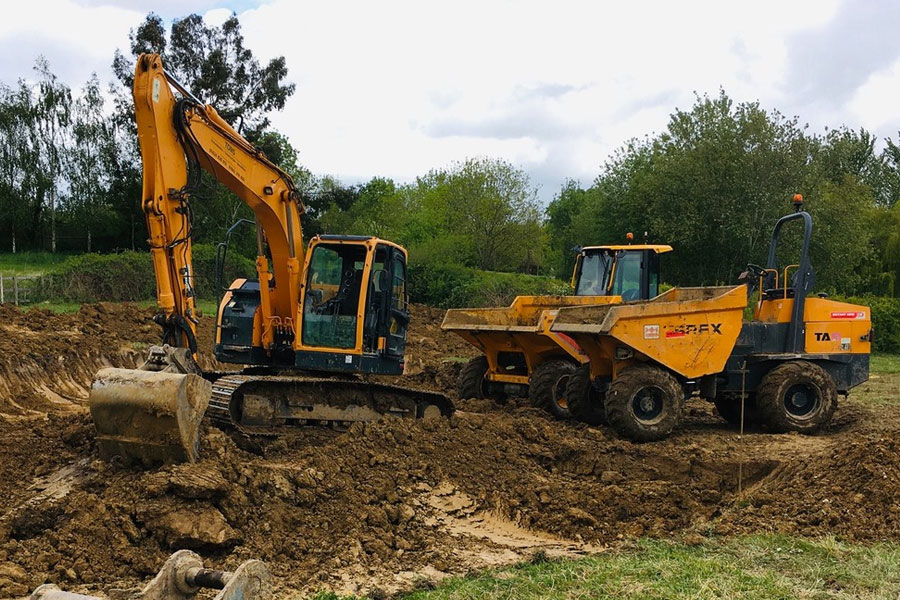
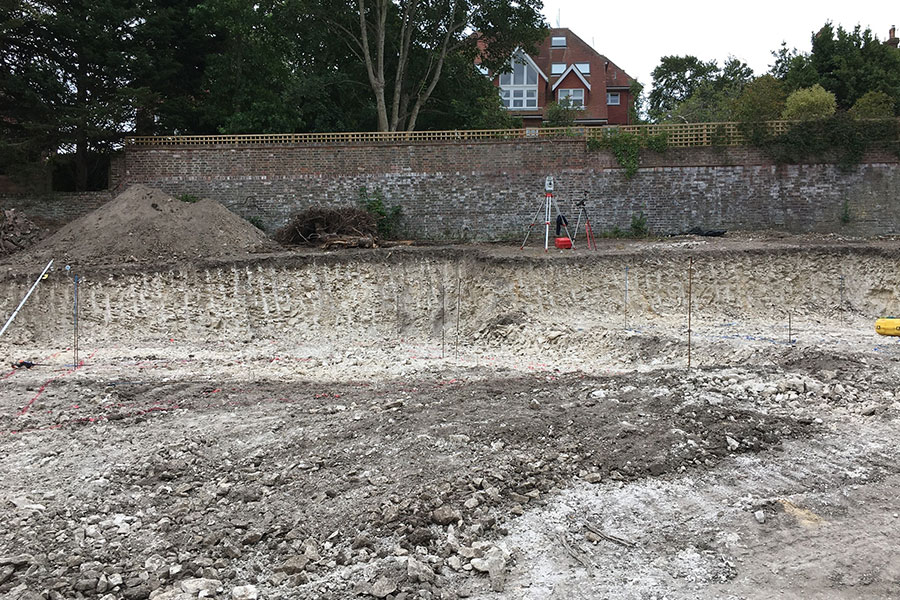
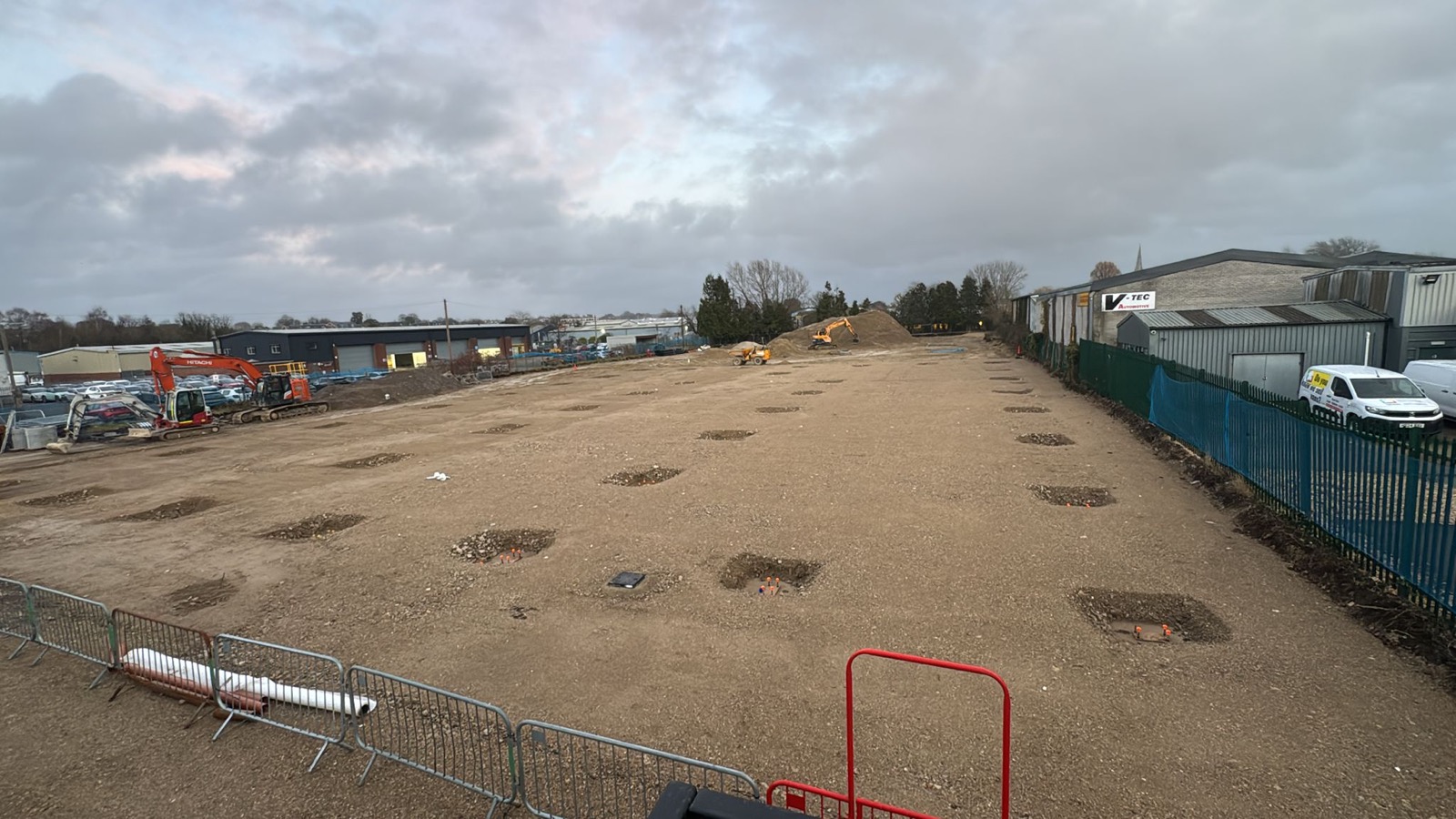
Much of the capital sits on London Clay, with river terrace gravels along the Thames and its tributaries, and made ground on top of nearly everything, particularly where sites were bombed and rebuilt after the war. Clay shrinks and swells with the seasons and with nearby trees, which is why so many London basements and extensions need deeper foundations or underpinning than the first set of drawings assumed. Towards the North Downs in the far south of the capital, chalk comes closer to the surface. Old industry leaves its own mark too: gasworks, railway land, print works, garages and buried fuel tanks turn up regularly on redevelopment plots, so we expect testing, segregation and remediation rather than treating every dig as clean muck away.
Getting Plant and Lorries in and Out
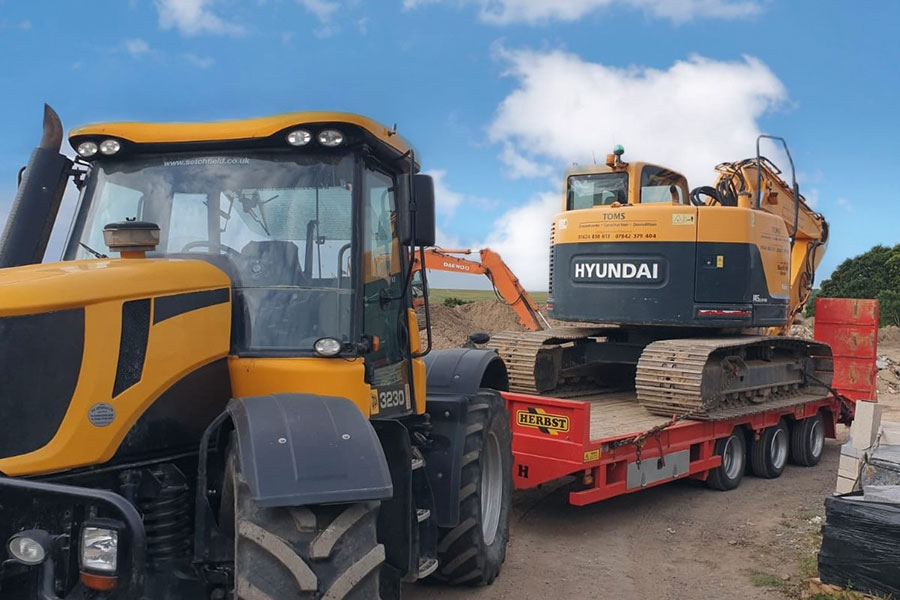
Emission zones, weight limits and parking control shape a London job as much as the work itself. The ULEZ covers every borough, the Congestion Charge covers the centre, the London Lorry Control Scheme restricts heavy movements at night and at weekends, and Transport for London's Direct Vision Standard sets what heavier lorries need before they can work in the capital. Plenty of streets will not take a full length tipper, so material leaves in smaller loads, sometimes staged from a holding point, and skips, hoardings, cranes and any use of the footway need a licence from the borough. The logistics get worked out and priced before the first machine is booked, and if something will not fit down your street you hear it from us first.
Neighbours, Listed Buildings and the Party Wall Act
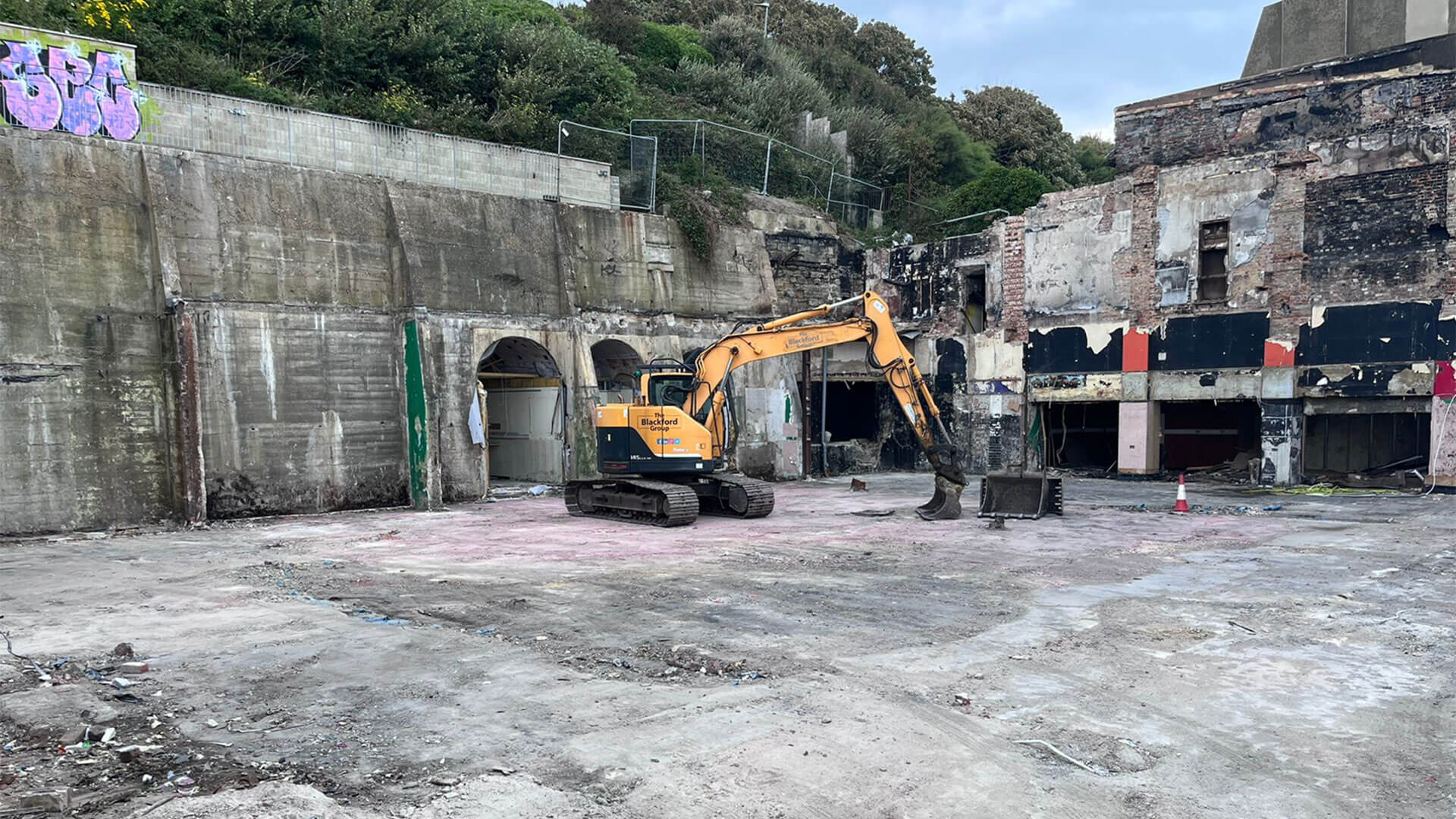
In most of London somebody is living or trading a few feet from the works. Large parts of the inner boroughs are conservation areas, and a great many buildings are listed, which changes what can come down, what has to be kept and how it is taken apart. Excavating near a neighbour's foundations or working on a shared wall brings in the Party Wall etc. Act 1996, with notices served before anything starts. Boroughs also set noise and hours conditions, including prior consent for noisy works under the Control of Pollution Act 1974. We plan monitoring, dust suppression, protection of the neighbouring structure and sensible working hours from the outset, because that is what keeps a job running.
Where we work
Areas We Cover Around London
Croydon
A major commercial centre in south London, with 1960s office blocks now being converted or replaced and streets of Victorian and interwar housing behind them. Suits commercial strip out, demolition and enabling works for new homes.
Stratford and the Lower Lea Valley
Former railway, industrial and utility land around the Olympic Park, still coming forward for housing and commercial space. Ground here usually needs testing and remediation before anything new goes up.
Canary Wharf and the Isle of Dogs
Tall buildings on a tight loop of the Thames, where foundations go deep and every delivery has to be booked in. Suits piling, basement works and closely managed demolition and strip out.
Park Royal
A large industrial area in west London, spread across the boroughs of Ealing, Brent and Hammersmith and Fulham. Ageing sheds, hardstanding and slab removal, with plenty of muck away and new drainage on plots being cleared or redeveloped.
Barking Riverside and Dagenham
Former power station, industrial and riverside land east of central London, now coming forward as large scale housing and infrastructure. This is enabling, remediation and bulk earthworks territory rather than small jobs.
Nine Elms and Battersea
Former riverside industry and rail land on the south bank, now dense residential and commercial blocks. Deep basements, piling and tight riverside logistics, with the river wall never far from the works.
Greenwich and Charlton
Peninsula and riverside land with a heavy industrial past, including former gasworks, alongside protected historic buildings in Greenwich town centre. Remediation on one side and careful, low vibration work on the other.
Hackney Wick and Fish Island
Old warehouses and light industrial units along the canal, much of it being converted or replaced. Small footprints, awkward access and a lot of soft strip and structural alteration.
Wembley and Alperton
Tall residential blocks going up around the stadium, with older industrial estates along the Grand Union Canal being cleared behind them. Demolition, slab breakout, piling and drainage on plots hemmed in by live roads.
Bromley and the Outer South East
Larger suburban plots and detached houses, so full demolition and rebuild, basement digs, extension foundations and driveway or garden groundworks are common. Access is generally kinder than inner London.
Who we work for
Clients We Look After in London
Commercial: Offices, Retail and Hospitality
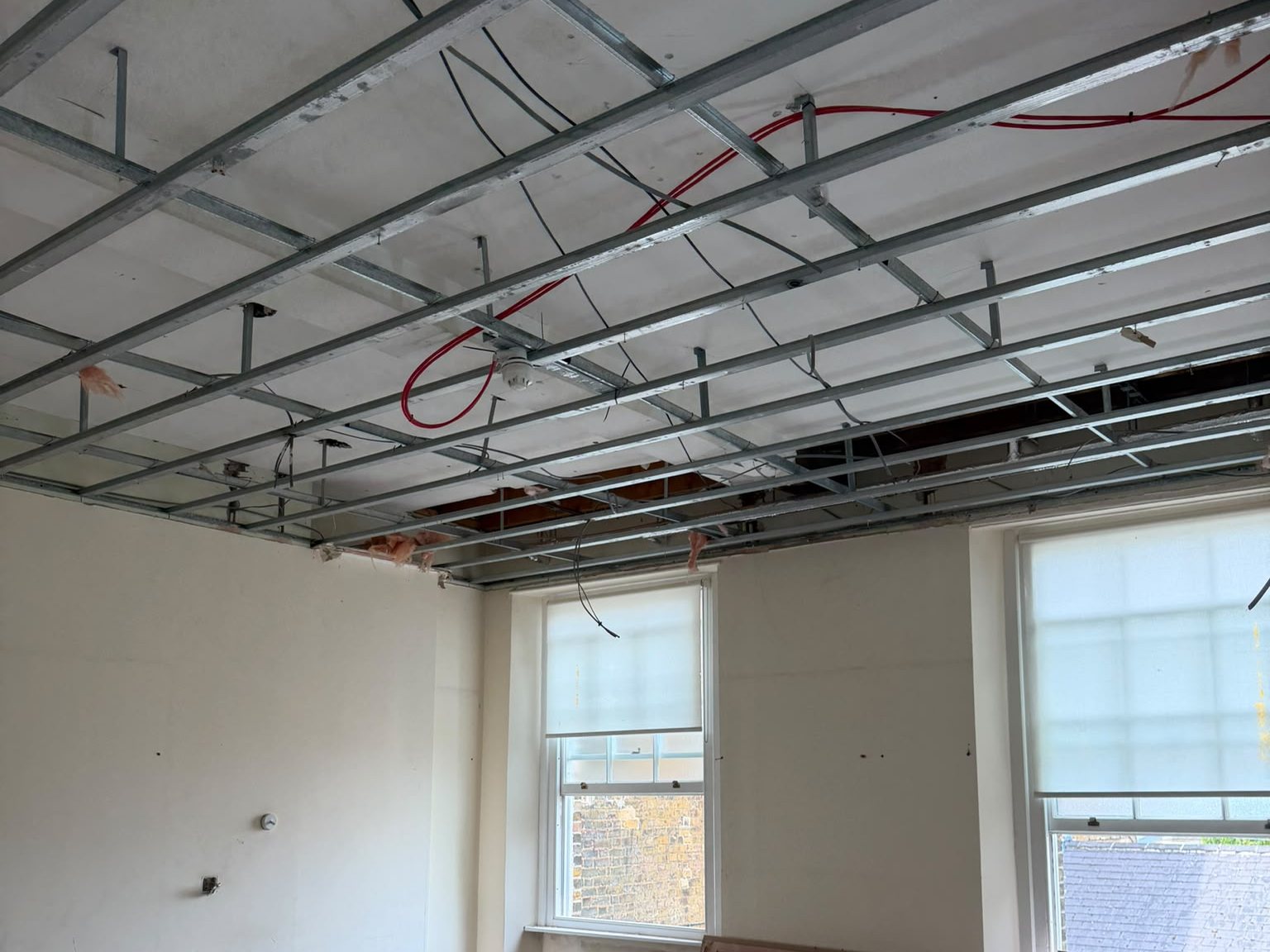
Most commercial work in London starts as a strip out. We take offices, shops, restaurants and hotels back to frame or shell, pull out old services, screeds, partitions and suspended ceilings, and form new openings and slab penetrations where the design calls for them. A lot of it happens with tenants still trading above or alongside, so it runs out of hours, with protected routes, dust control and waste going out in booked slots. Where the whole block comes down, we handle the demolition, the temporary works and the ground underneath it.
Industrial and Former Industrial Land
Old sheds, depots, works and yards across the capital are steadily being cleared for housing and modern logistics. We demolish the structures, break out slabs, foundations and hardstanding, lift out tanks and redundant services, and deal with whatever the previous use has left in the ground. From there the same team can pile, form new foundations and drainage, put in roads and hardstanding and cart the arisings away on our own lorries.
Residential: Houses, Basements and Estates
On houses and flats we do the work that holds everything else up: underpinning shallow Victorian footings, basement digs and floor lowering, foundations for extensions, drainage, and full demolition and rebuild where a house has reached the end of its life. On larger residential and estate schemes we take blocks down and enable the site for the trades that follow. Neighbours, party walls and access are all planned before a machine ever turns up.
FAQs
London Questions
The things people in London ask us most. If your question is not here, call 01424 830613 and we will answer it straight.
Do you actually cover London, or only the South East?+
We work nationwide, so London is well within our normal range. Our yard is at Upper Wilting Farm in St Leonards-on-Sea, and the A21 runs north from there to the M25, which puts the whole capital within easy reach for plant, crews and tippers. There is no depot inside London, so machines and lorries travel in for the job, and we would rather say that plainly than pretend otherwise.
What permissions are needed before demolition can start?+
It depends on the borough and the building. Full demolition normally needs notice given to the local authority under the Building Act, planning consent may be needed in a conservation area or for a listed building, and hoardings, skips, scaffolding, cranes and any use of the footway or carriageway need a licence from that borough's highways team. Boroughs can also set working hours and noise conditions. We will tell you what your site needs and help get the paperwork moving.
My neighbour's house is attached to ours. How is that handled?+
Work on a shared wall, cutting into it, or excavating close to a neighbour's foundations falls under the Party Wall etc. Act 1996, and notices have to be served on the affected owners in good time before anything starts. That duty sits with the building owner, usually through a party wall surveyor, and we plan the sequence, the propping and the temporary works around whatever the award sets out. On site we protect the neighbouring structure, keep dust down and tell people what is happening and when.
What happens if there is asbestos in the building?+
Older buildings are treated as suspect until a refurbishment and demolition survey says otherwise, and that survey should be in place before the strip out or demolition is priced. Licensed materials are removed and cleared by a licensed contractor before the structure comes down, with the paperwork kept with the job. If something unexpected turns up part way through, we stop, isolate the area and get it surveyed rather than working round it.
Where does the muck and rubble end up?+
Arisings go out on our own lorries under our Haulage and Muck Away division and into permitted sites, with waste transfer paperwork for everything that leaves. Clean material, hardcore and contaminated ground all take different routes, so testing early keeps the cost sensible rather than assuming the worst for the whole dig. Where the design allows, crushed material can be reused on site, which cuts lorry movements and is worth a lot on a London street.
The street is narrow with parking both sides. Can you still get plant in?+
Usually yes, with planning. Machines are sized to the access rather than to the job, brought in on smaller transport where needed, and material goes out in smaller loads timed around the school run and the borough's lorry restrictions. Where a bay has to be suspended or the road partly closed, we arrange that with the highways team before the date. If the access genuinely will not work, you will know early rather than on the morning.
Recent Work
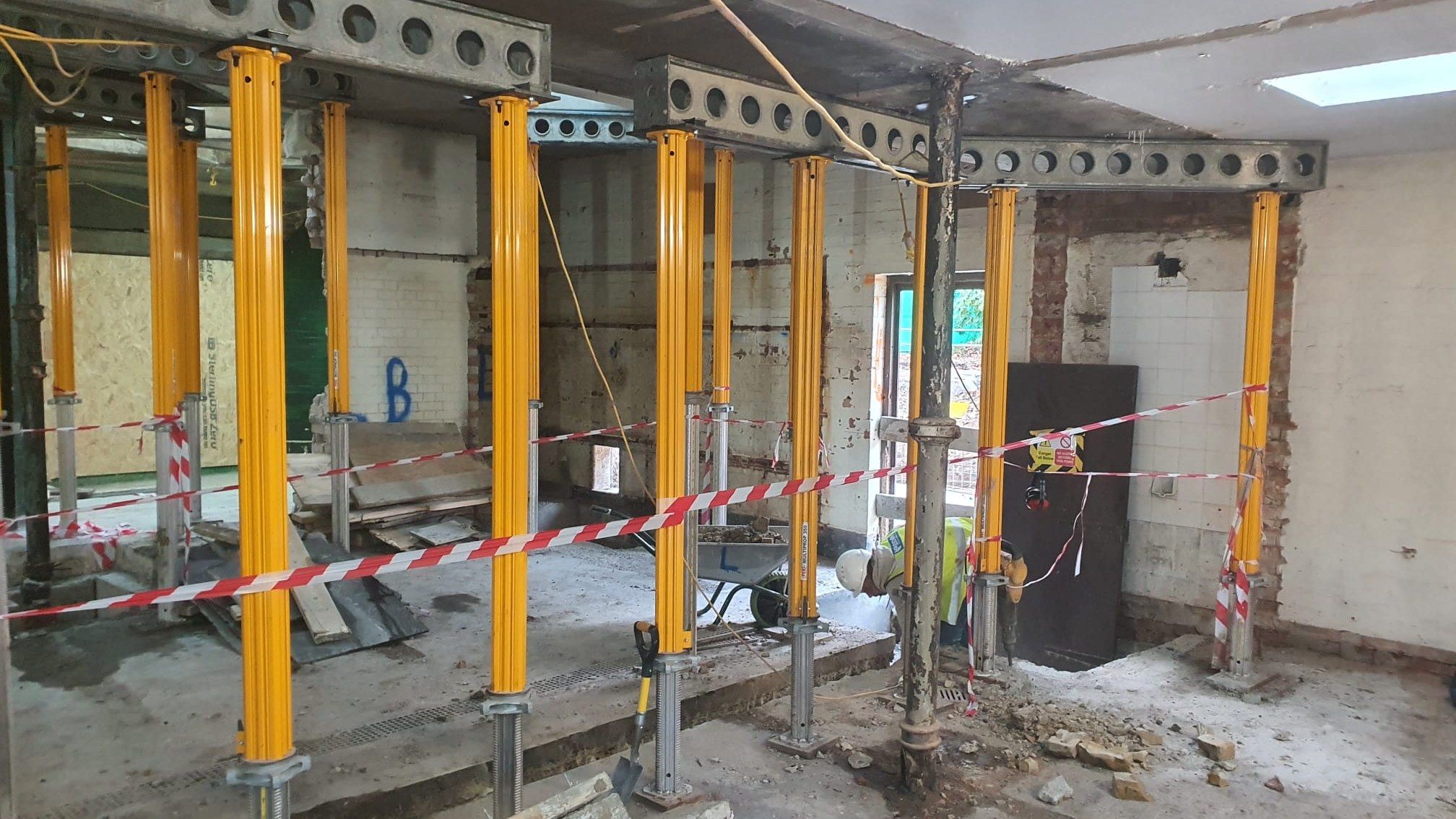
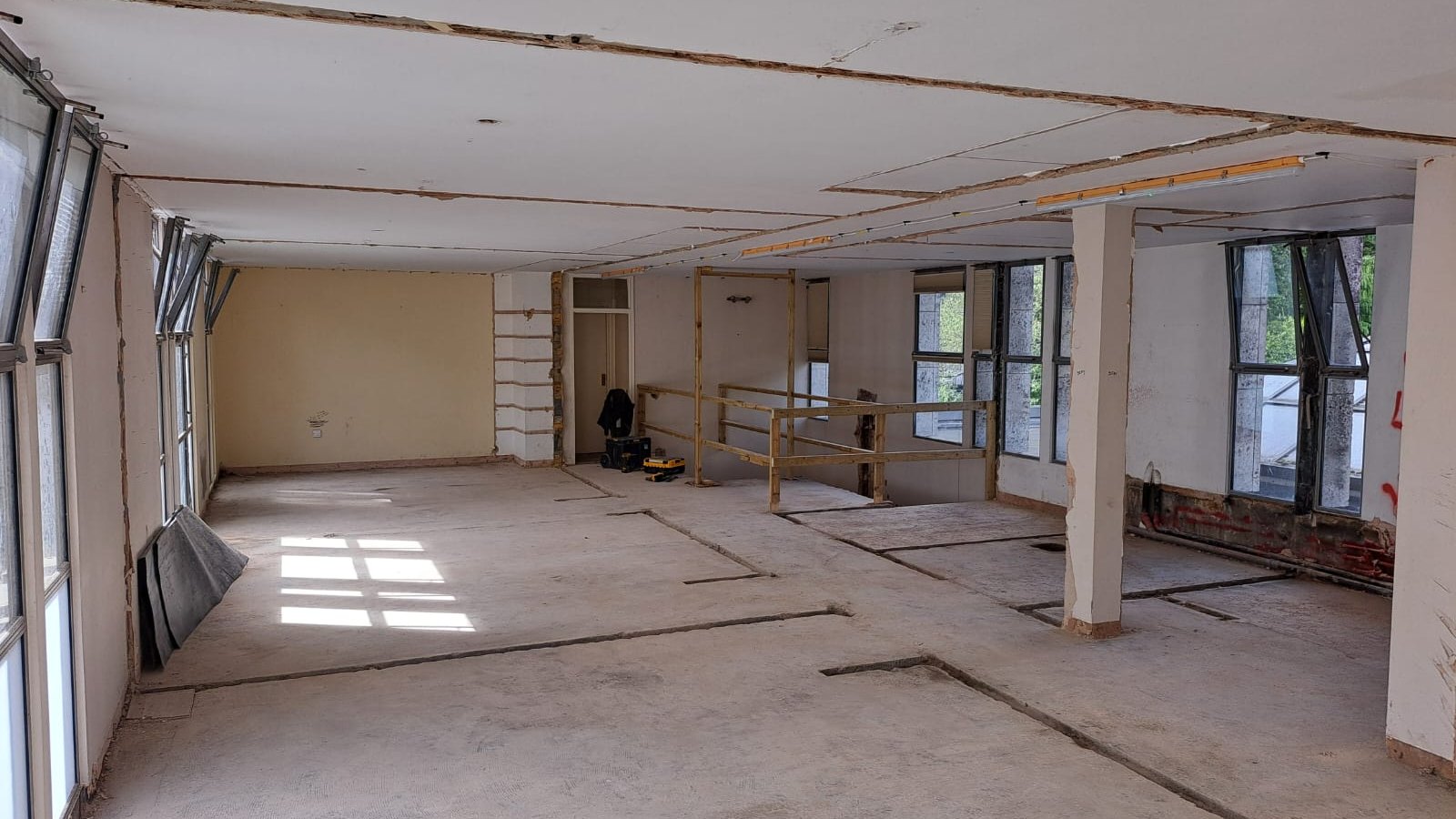
If you have a London project coming up, whether that is a single house needing underpinning, an office floor to strip out, or a whole site to clear, remediate and pile, we are happy to walk it with you and give you a straight answer on how it can be done. Call 01424 830613, or send over the drawings and any surveys you already hold, and we will come back with a plan covering the demolition, the groundworks and the muck away, along with the permissions your borough will want in place before anyone sets foot on site.
Planning Work in London?
Tell us what you need moving, clearing or building and we will come back with a straight answer and a fair price.