
Salisbury, Wiltshire
Demolition and Groundworks in Salisbury
Demolition, groundworks, muck away and piling across Salisbury and south Wiltshire. Own plant, own fleet, every stage in-house. Call 01424 830613.
Working in Salisbury
Demolition & Groundworks in Salisbury
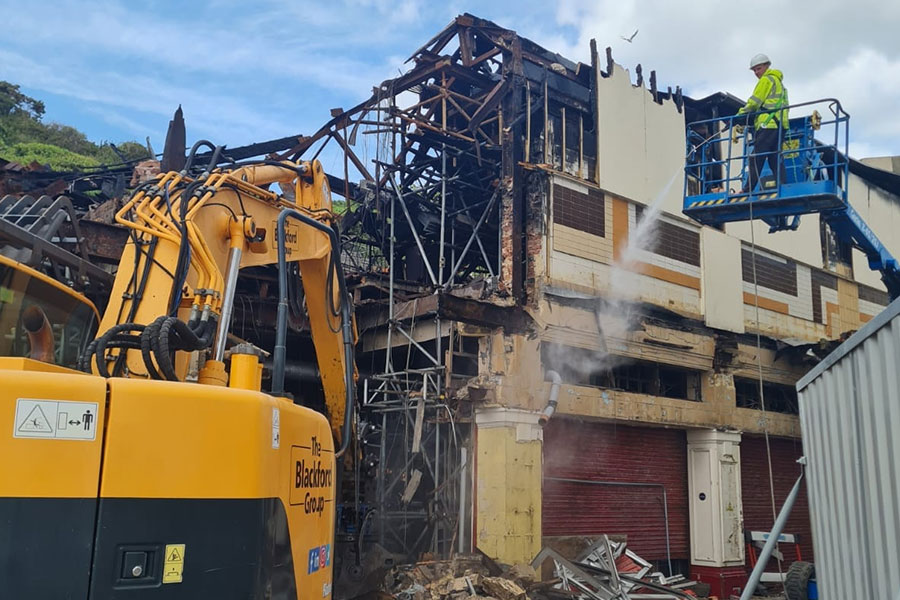
Salisbury is a cathedral city built around a medieval street grid, and that shapes almost every job in it. The chequers in the centre are tight blocks of shops, offices and flats, much of it old, a lot of it listed, and nearly all of the core sits inside a conservation area. Wiltshire Council is the planning authority, with the city council alongside it, and consent conditions in the middle of the city tend to be detailed. Demolition here is rarely a case of turning up with a big machine. It is more often soft strip, careful take down, and protecting what stays.
Access is the other thing that decides how a Salisbury site runs. There is no motorway near the city. The A36 links Southampton and Bath, the A30 runs west towards Wilton and Shaftesbury, and the A338, A345, A354 and A360 fan out towards Ringwood, Amesbury, Blandford and Devizes. Churchill Way rings the centre and takes most of the pressure, so plant, tippers and deliveries need timing rather than luck. We work nationwide from our yard at Upper Wilting Farm in St Leonards-on-Sea, and Salisbury is a straightforward run west along the coast and then up the A36, with machines travelling on our own low loaders.
The building stock is mixed. Around the centre there are Georgian and Victorian terraces, workshops and yards that have been altered many times over. Out from that are post-war estates such as Bemerton Heath, sixties and seventies blocks, and then newer housing on the northern edge around Old Sarum and Bishopdown. Commercial and industrial property is concentrated at Churchfields off the Wilton Road, along the Southampton Road corridor, at Old Sarum Business Park and further north at Solstice Park near Amesbury. Each of those brings different work: strip out and refit in the city, warehouse demolition and hardstanding on the estates, and full enabling works where new plots are being formed.
Water is never far away. The Avon, the Nadder and the Bourne meet in and around the city, the water meadows at Harnham and Britford sit either side of the river, and the valley floor is gravel and alluvium over chalk. That means a water table that can sit high, flood zones that shape what can be built where, and an Environment Agency interest in anything close to the bank. It also means ground that behaves differently within a single site, which is why we like to see the site investigation before we price the muck away and the formation levels.
Our services
What We Deliver in Salisbury
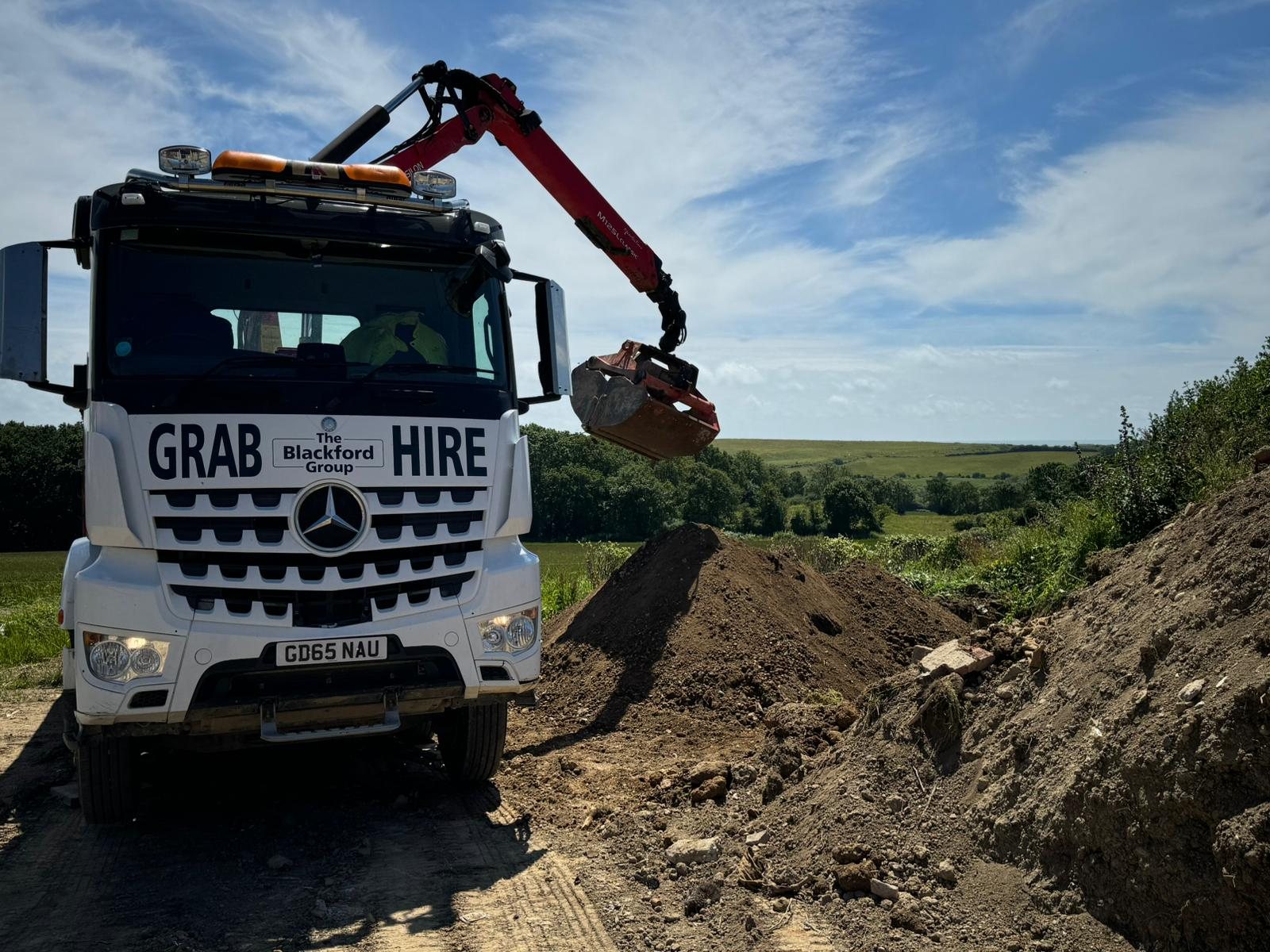
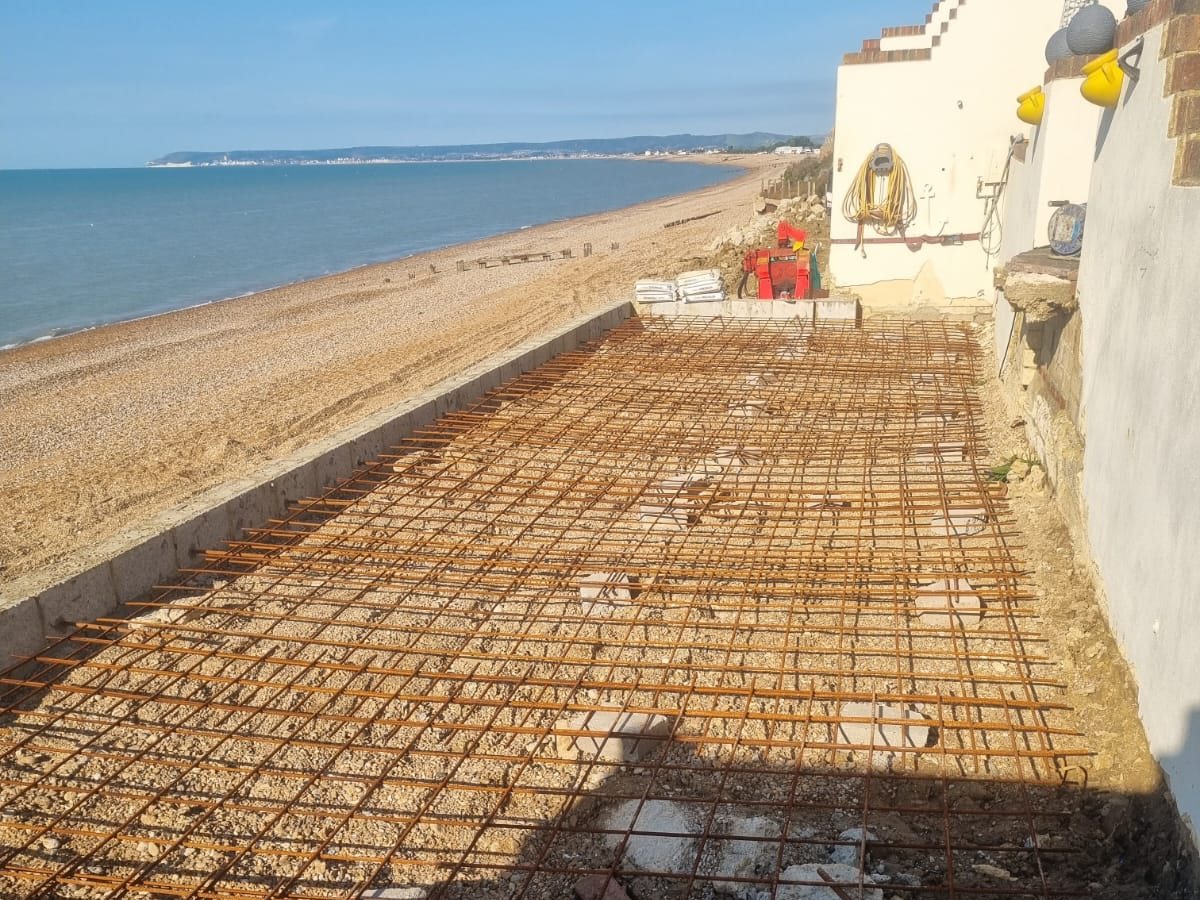
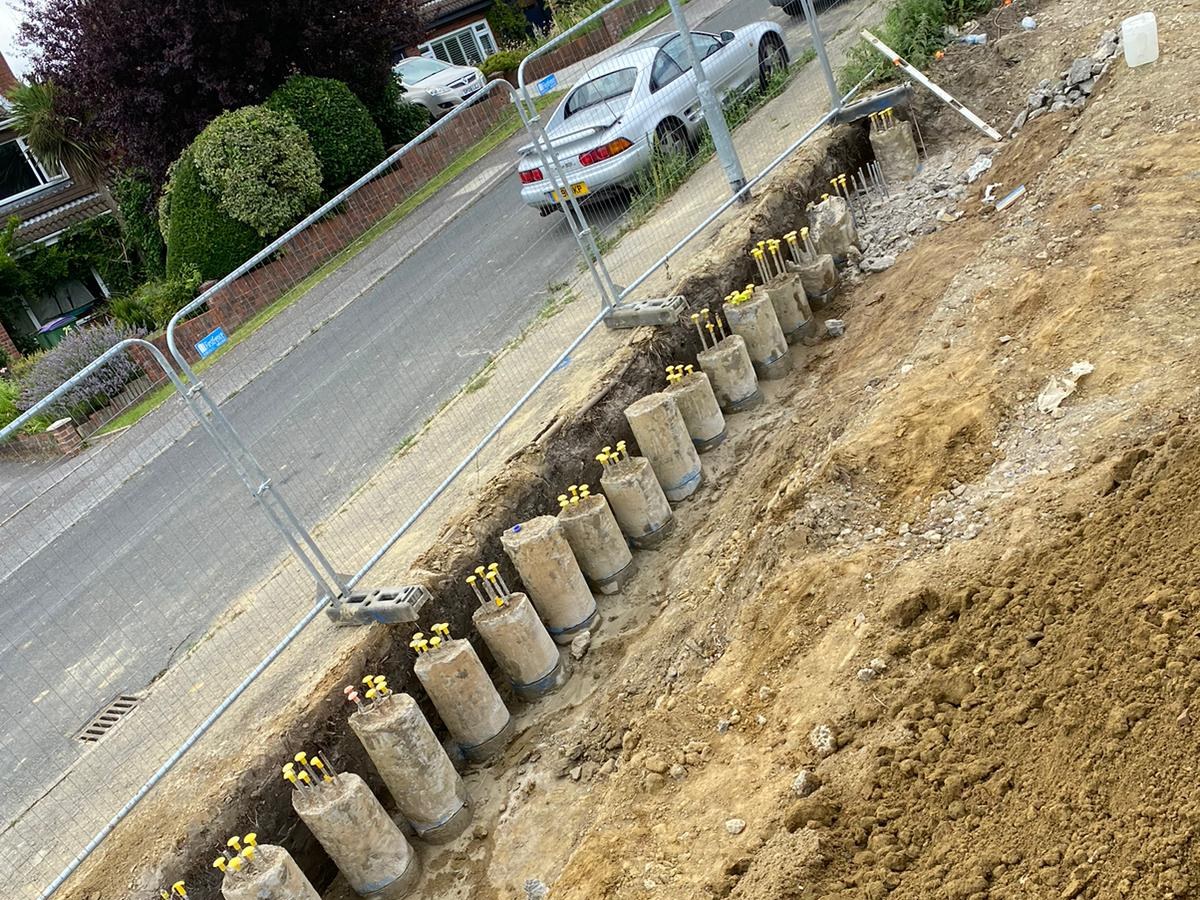
Eight divisions run under one roof: Demolition, Strip Out, Groundworks, Site Enabling and Remediation, Haulage and Muck Away, Sea Defence, Piling, and Underpinning. On a Salisbury job that matters because the same team takes a building from soft strip through demolition, clearance and remediation to piling, foundations and finished formation level, with our own plant and our own fleet moving the material. Nothing waits on a subcontractor's diary and nobody argues about whose scope the awkward bit falls into. Sea defence work is coastal rather than Salisbury, but the plant and the habit of working at the water's edge carry straight over to sites near the Avon, the Nadder and the Bourne.
On the ground
What Salisbury Sites Actually Need.
Chalk, River Gravel and a High Water Table
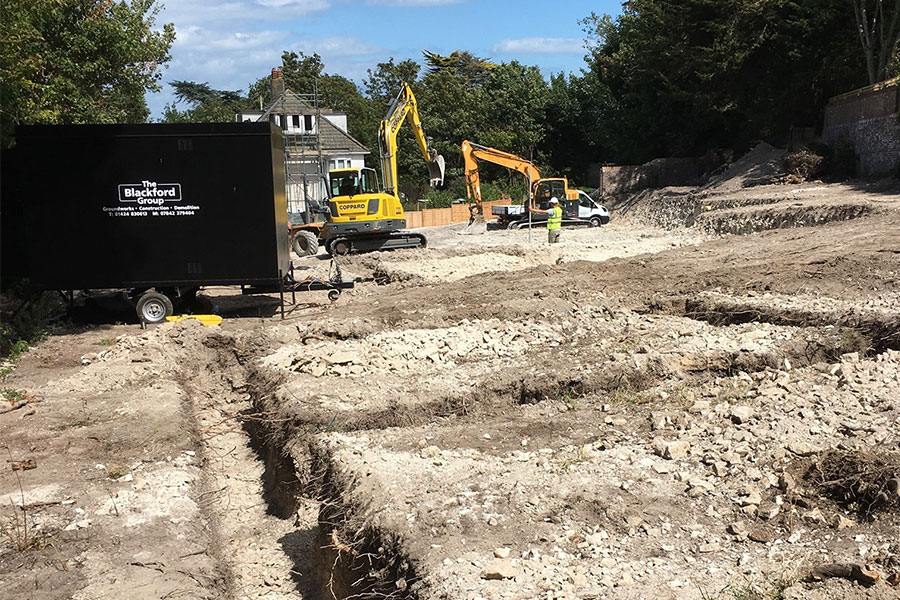
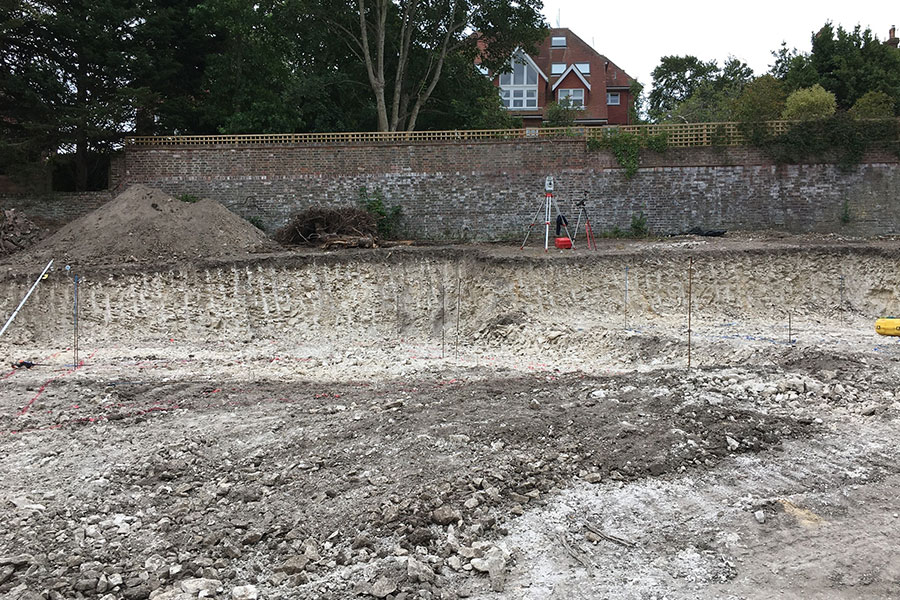
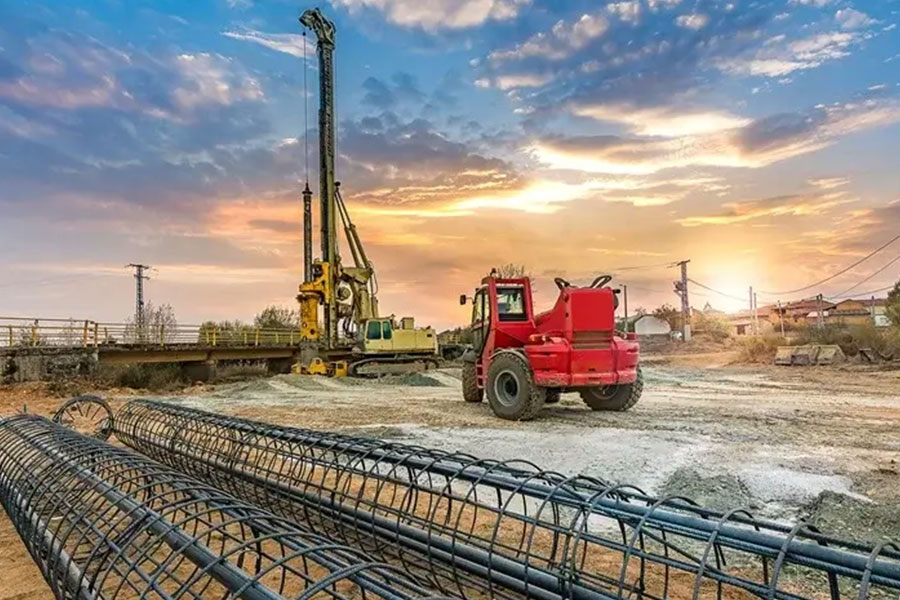
Salisbury sits where the Avon, the Nadder and the Bourne come together, so most of the low ground is river gravel and alluvium sitting on chalk. Chalk digs well enough when it is dry and turns to slurry when it is trafficked wet, so formations need protecting as soon as they are opened. Water tables in the valley can be close to the surface, particularly through the winter, which affects deep drainage, basements and any dig going more than a couple of metres. We plan for dig support, dewatering and silt control from the start rather than reacting to it, and anything close to the bank is treated as sensitive because the Avon is protected water.
Archaeology, Listed Buildings and the Close
Few places in the country carry more archaeology than the ground around Salisbury, from Old Sarum on the northern edge to the wider plain beyond it. Planning consents in and around the city often come with archaeological conditions, so a watching brief or an evaluation trench can sit in front of the main dig. The centre adds a conservation area, the Close and a long list of listed buildings, which changes what can come down, how it comes down, and what has to be propped or protected while it happens. We would rather build all of that into the programme up front than find it on the day the machines arrive.
Medieval Streets and a Busy Ring Road
The centre is a grid of narrow streets inside Churchill Way, with pedestrian areas, market days in the Market Square and buildings that sit straight onto the pavement. Large plant often cannot get near, so the answer is smaller tracked machines, hand demolition where it is needed, matting to protect surfaces, and tippers booked in and out to a timetable. Anything that touches the highway, from a skip to a hoarding to a full road closure, goes through Wiltshire Council, and that is worth applying for early. Out on the industrial estates and along the A36 the constraints ease and bigger kit can be used.
Where we work
Areas We Cover Around Salisbury
Wilton
Three miles west on the A30, with Wilton House, an old carpet making trade and a good deal of former military and industrial land. Suits strip out, demolition of redundant buildings and groundworks for new plots.
Harnham
South of the centre across the Avon, with East and West Harnham either side of the water meadows. Older cottages, interwar and post-war housing and soft ground near the river, so underpinning and drainage come up often.
Bemerton Heath
A post-war estate on the west side of the city, close to the Churchfields industrial area. Estate regeneration, demolition of tired blocks and garages, new drainage and access roads are the usual work here.
Laverstock
East of the city on the Bourne, part village and part suburb, with newer housing added over the years. Plot enabling, footings, drainage and driveway groundworks suit both the ground and the setting.
Old Sarum
North on the A345, with the hillfort, the airfield and business park, and newer housing around them. Enabling works, muck away and hardstanding, with archaeology taken seriously before anything is dug.
Amesbury
Eight miles north near the A303, with Solstice Park, Boscombe Down and the garrison estate nearby. Industrial demolition, concrete crushing, haulage and large area groundworks all fit this end of the patch.
Downton
A riverside village south on the A338, with a long historic main street and later housing behind it. Careful demolition near old property, flood aware groundworks and small piling schemes suit it.
Alderbury
South east on the A36 towards Southampton, on higher ground above the valley. Farm buildings, outbuildings, extensions and access tracks make up most of the work in and around the village.
Britford
Just south of the city in the water meadows, with an old church and a mix of farm and residential property. Wet ground, so dig support, dewatering and drainage all need planning before the machines land.
Who we work for
Clients We Look After in Salisbury
Commercial and City Centre Work
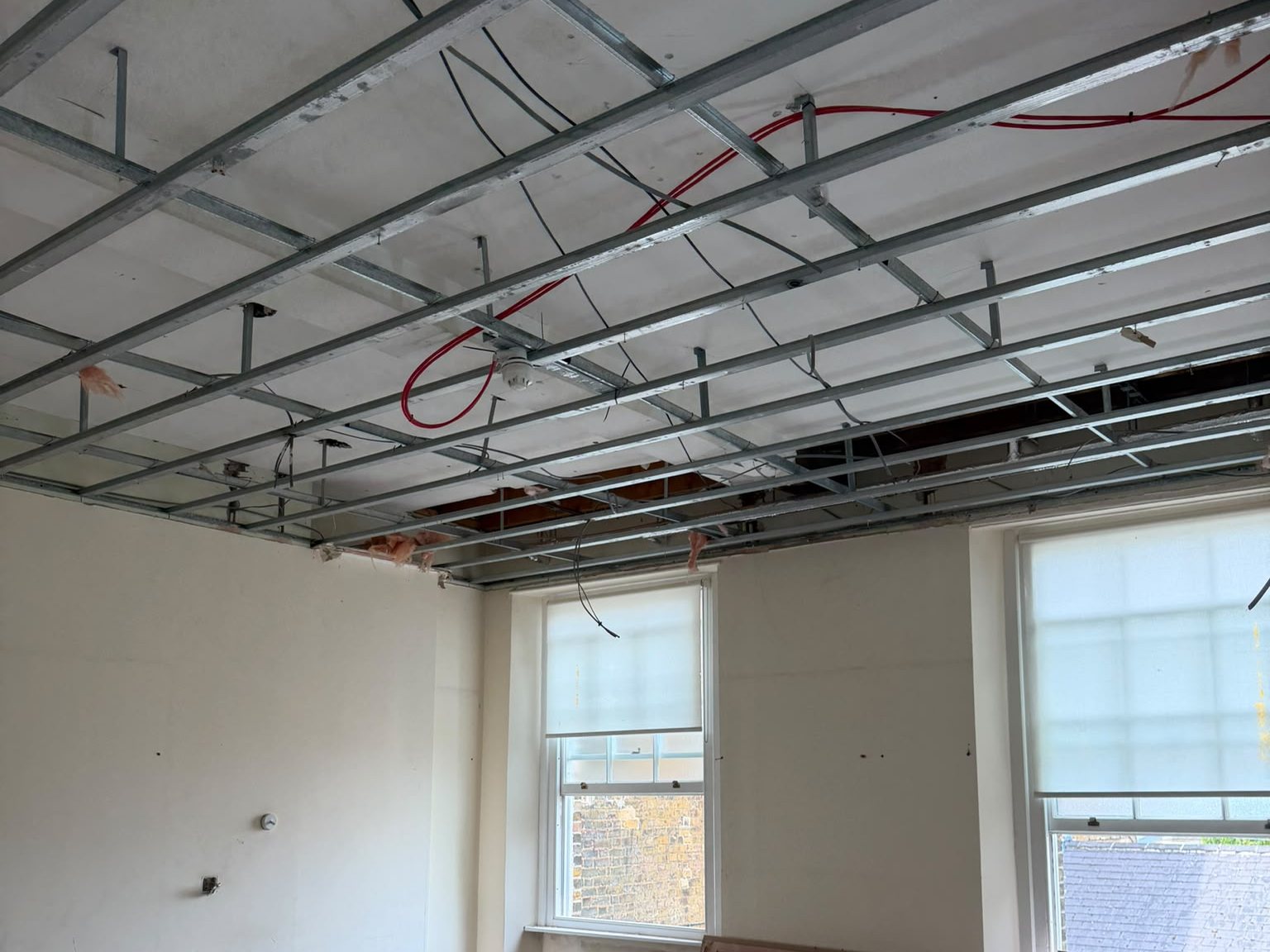
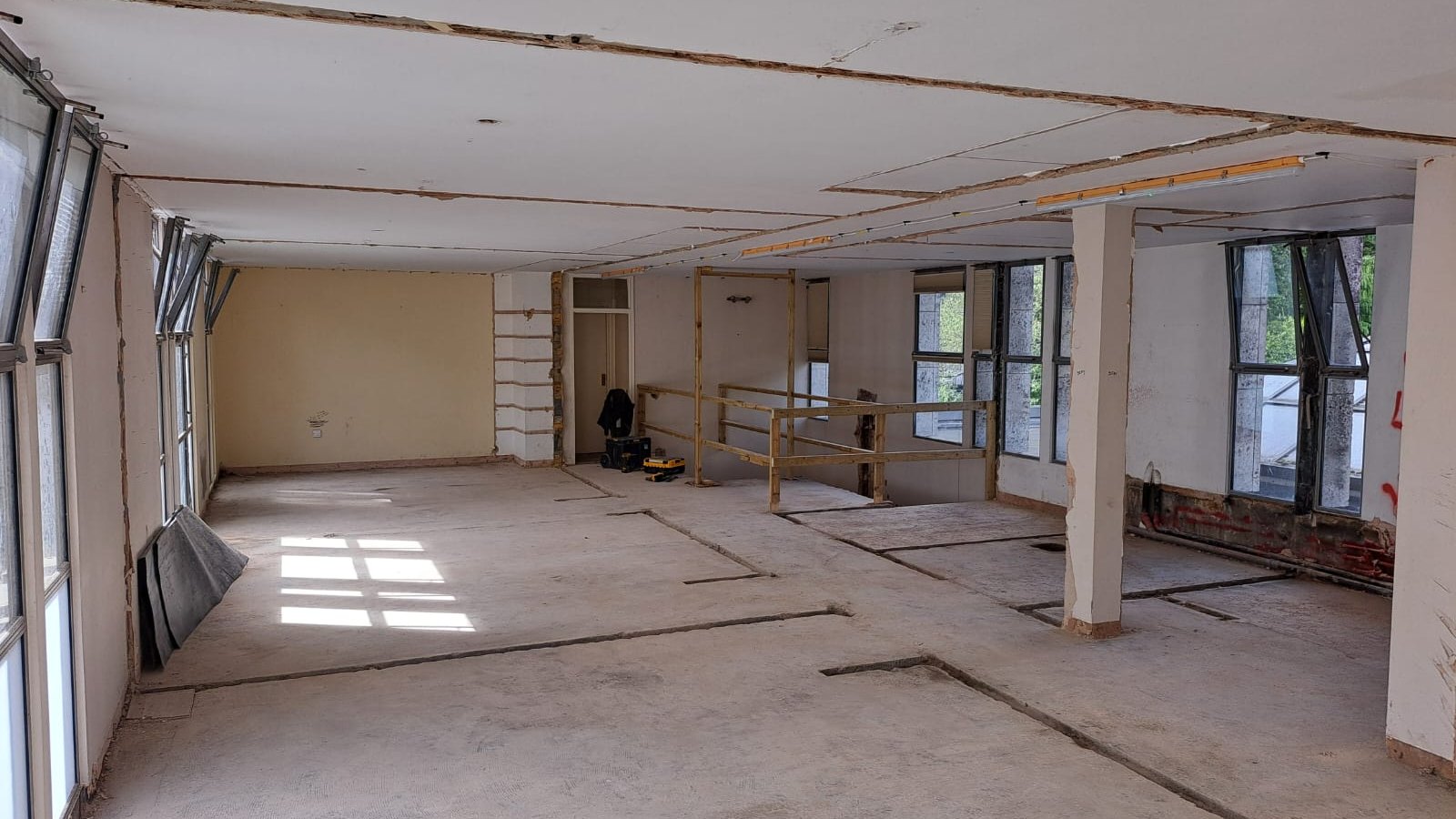
Shops, offices, pubs, hotels, schools and healthcare buildings across the city and the estates around it. Most of this starts as strip out, taking a building back to structure so a refit or a conversion can begin, with services isolated, asbestos dealt with first and the parts that stay properly protected. From there we handle structural openings, underpinning where a wall has to take more load, smaller scale demolition of rear extensions and outbuildings, and the slab, drainage and external works that follow. Where a whole building comes down the neighbours are usually close, so protection, dust control and agreed working hours matter as much as the machine on site.
Industrial, Warehousing and Infrastructure
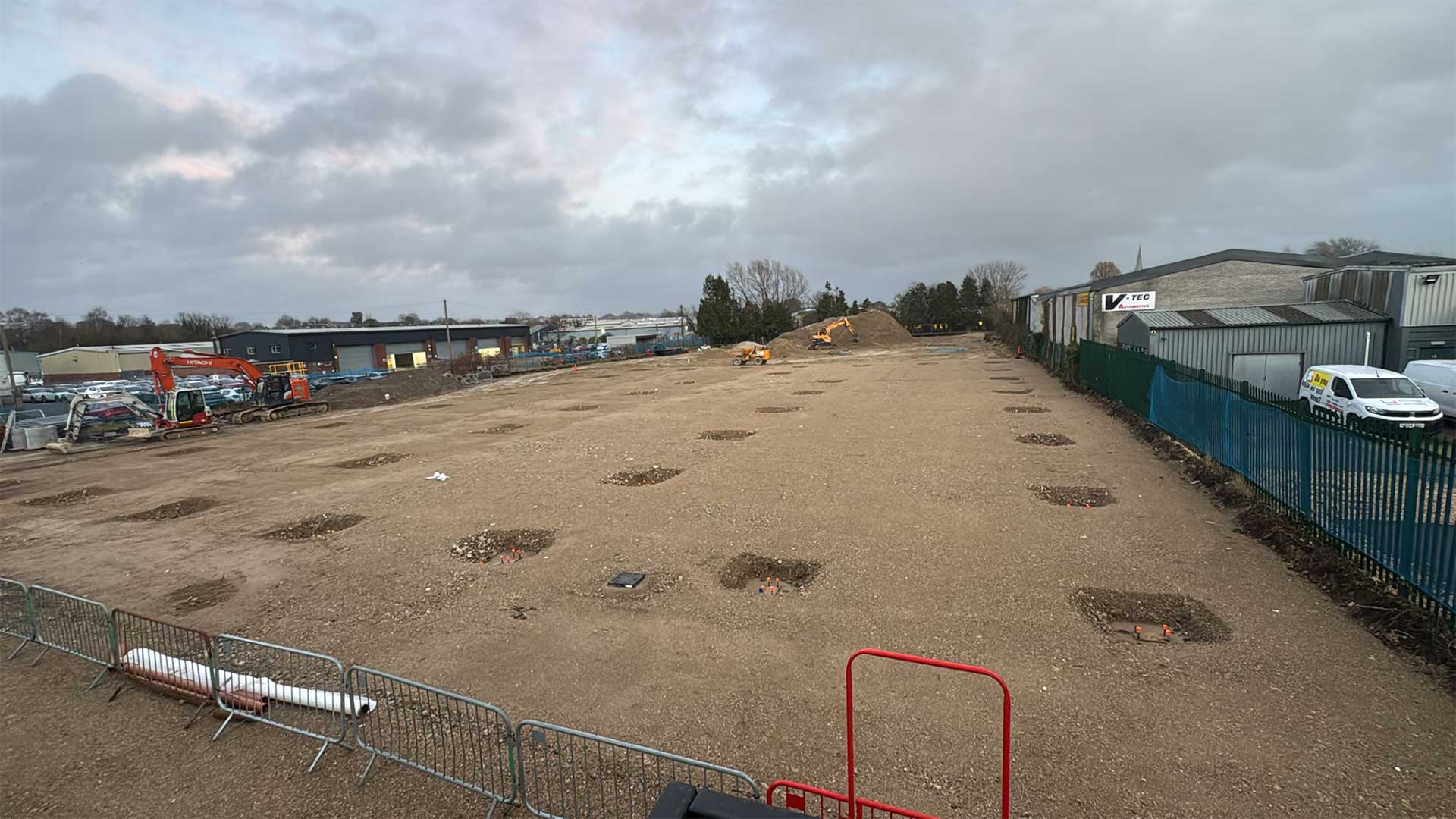
Churchfields, the Southampton Road corridor, Old Sarum Business Park and the wider A36 and A303 employment land is where the bigger jobs sit. That means full demolition of sheds, frames and yards, concrete crushed on site where it can be reused rather than carted away, site clearance and remediation of ground left dirty by old fuel stores, workshops and hardstandings, then piling, foundations, drainage and new access roads. Our own tippers handle the muck away and our own low loaders bring the plant in, so the programme does not stall waiting on somebody else's lorry.
Housing and Rural Property
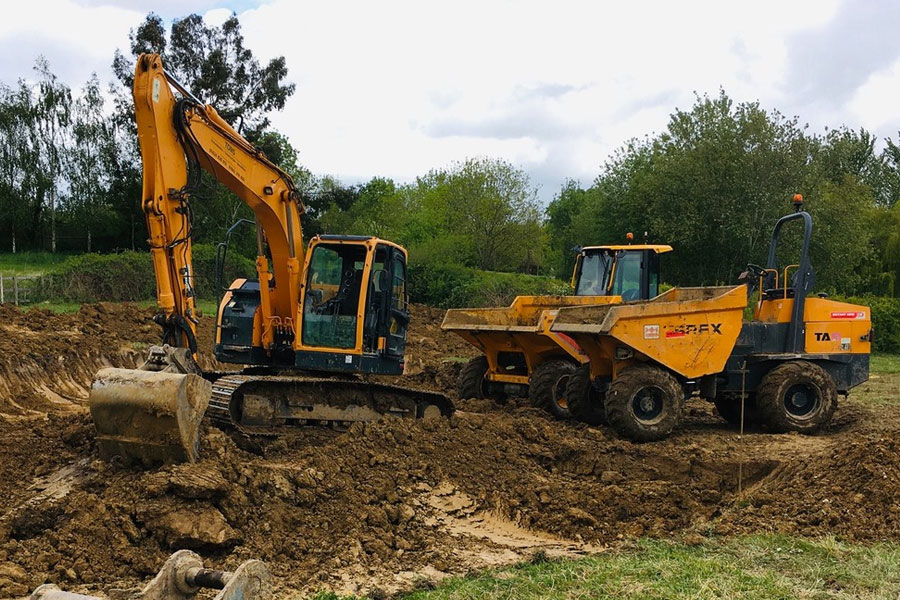
One off houses, plot enabling, estate regeneration and the farm buildings that ring the city. On tighter streets in Harnham, Bemerton or the chequers that can mean underpinning a Victorian wall, forming a basement, lowering a floor, digging footings and putting in new drainage where the ground runs wet. Out in the villages towards Downton, Alderbury and the Nadder and Wylye valleys it is more often clearing redundant agricultural buildings, breaking out old concrete yards, forming access tracks and getting a plot to formation level ready for the builder to start.
FAQs
Salisbury Questions
The things people in Salisbury ask us most. If your question is not here, call 01424 830613 and we will answer it straight.
Do you actually cover Salisbury, or only the South East?+
We work nationwide. The yard is at Upper Wilting Farm in St Leonards-on-Sea, and Salisbury is a straightforward run west along the coast and then up the A36 from Southampton. Plant travels on our own low loaders and crews mobilise for the job, so a Wiltshire site is handled the same way as one ten miles from the yard. Call 01424 830613 and we can talk through what you have.
What permissions are needed before demolition starts in Salisbury?+
Wiltshire Council is the authority for planning and building control, and the council has to be given notice before most demolition begins. In the conservation area and around listed buildings the bar is higher, and taking a building down can need consent in its own right. Anything that touches the highway, such as a skip, scaffold, hoarding or road closure, needs a licence from the council too. We deal with the site side and tell you plainly what has to be in place first.
My neighbour's wall is attached to mine. What happens?+
Shared walls and terraces are everywhere in the older parts of the city, so the Party Wall etc. Act 1996 comes into play often. That means serving notice on the adjoining owner and, where it is needed, a surveyor and an award before anything starts. On site it means propping, monitoring, protecting their side, keeping dust and noise down and sticking to agreed working hours. Getting the notices out early is usually what keeps a job moving.
How do you handle asbestos?+
Anything built or refurbished before 2000 gets a survey before work starts, and it needs to be a refurbishment and demolition survey rather than a management one. If asbestos is found, licensed removal is arranged and completed before the structure is touched, with the paperwork and clearance certificates passed to you. Nothing structural begins until that is finished and signed off.
Who takes the muck away, and what happens to the waste?+
We do, with our own tippers, which is why haulage and muck away is one of our divisions rather than something we buy in. Material is segregated on site, and where it makes sense concrete and hardcore are crushed and reused as fill or as a piling mat instead of being carted off and replaced with imported stone. Everything that does leave goes to a licensed site with the transfer paperwork to prove it.
Can you get plant onto a narrow street in the city centre?+
Usually, but with smaller machines and more planning. Inside Churchill Way the streets are narrow, some are pedestrianised, and buildings sit straight onto the pavement, so we use compact tracked plant, hand demolition where the space is too tight, matting to protect surfaces, and timed deliveries to keep the road clear. Where a permit or a closure is needed we apply through Wiltshire Council in good time.
Recent Work
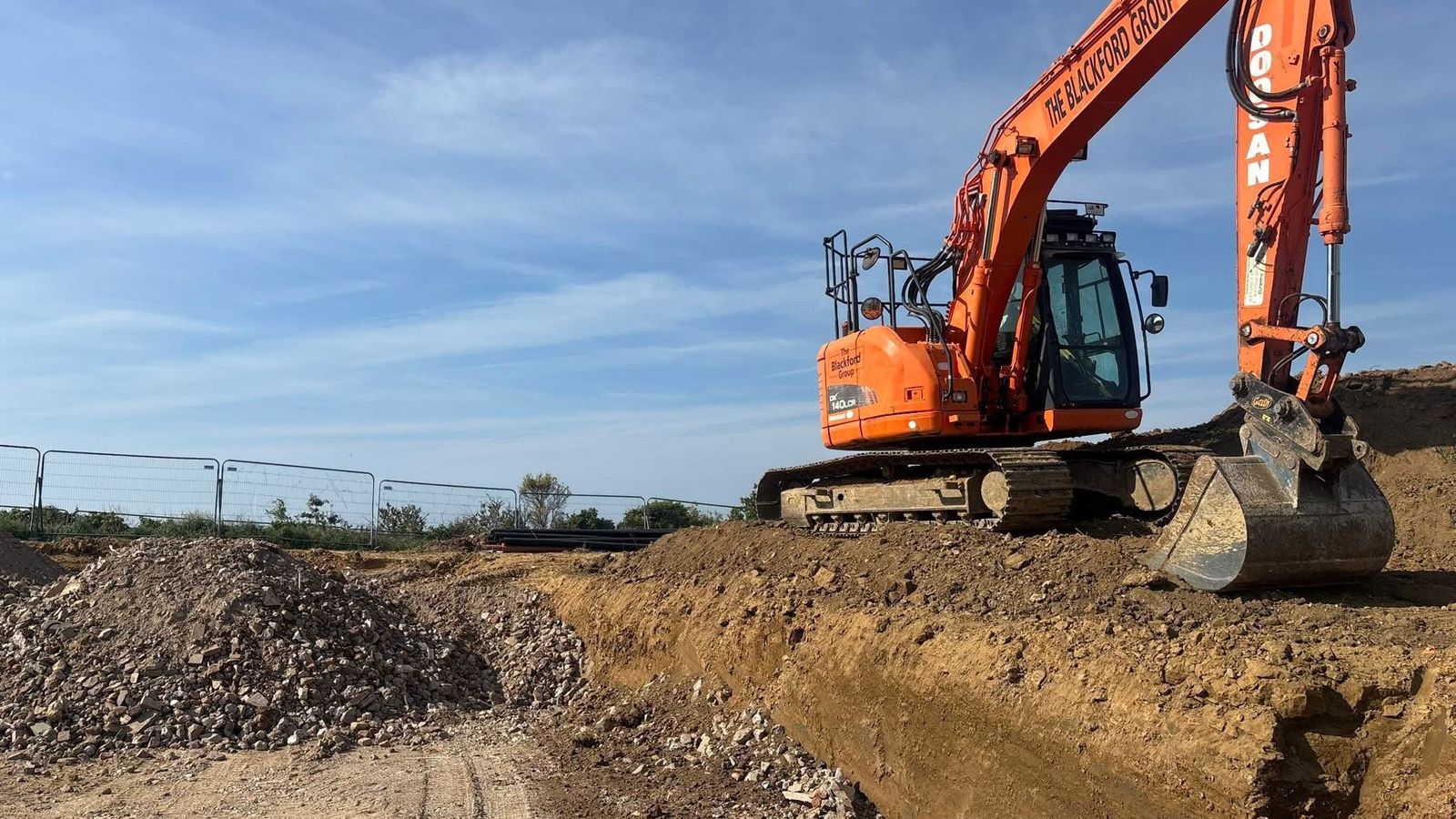
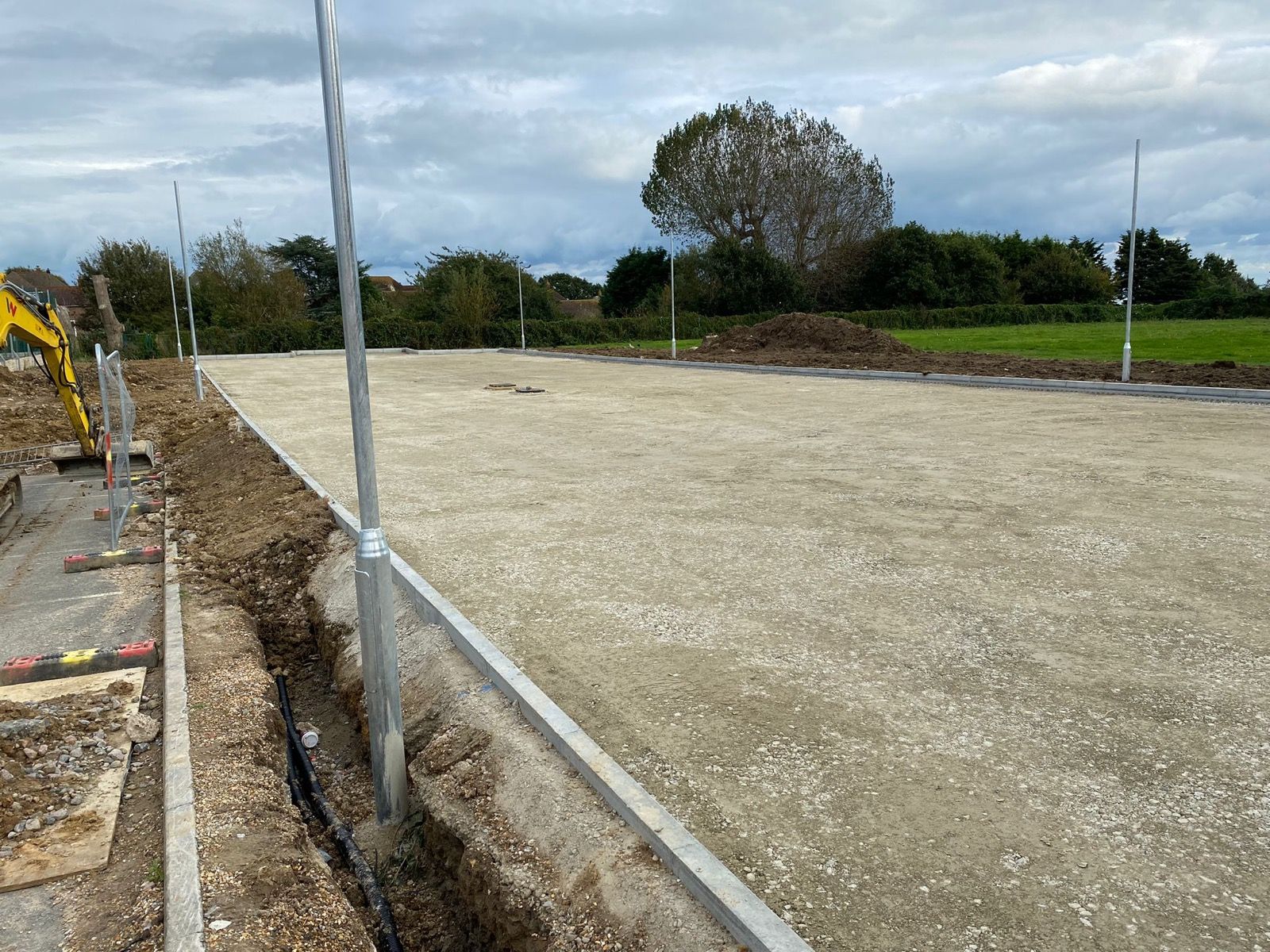
If you have a site in Salisbury, tell us what you are dealing with and we will give you a straight answer on how we would approach it. Drawings, a site investigation report, or even a few photographs and a postcode are enough to start the conversation. Whether it is a strip out in the chequers, a redundant unit at Churchfields, a plot near Old Sarum, or footings and drainage on a village site out towards Downton or Wilton, the same team handles it from the first machine to finished formation level. Call 01424 830613 or send the details across and we will come back to you.
Planning Work in Salisbury?
Tell us what you need moving, clearing or building and we will come back with a straight answer and a fair price.