
Tunbridge Wells, Kent
Demolition and Groundworks in Tunbridge Wells
Demolition, groundworks and muck away in Tunbridge Wells. Own plant, own fleet, every stage in-house. Call The Blackford Group on 01424 830613.
Working in Tunbridge Wells
Demolition & Groundworks in Tunbridge Wells
Royal Tunbridge Wells sits high on the Kent and Sussex border in the High Weald, and the town is built across ridges and valleys rather than on the flat. The centre still runs on its spa town bones: the Pantiles, Mount Sion, the Common, and the Regency villas and crescents around Calverley Park, with large Victorian houses spreading up Mount Ephraim and out along Broadwater Down. Very little of it is a clean open site. Most demolition and groundworks work here happens behind an old frontage, on a steep back garden, or a few feet from a neighbour who is at home all day.
Getting plant into the town is straightforward at the edges and awkward in the middle. The A21 runs along the east side with the Pembury junctions, the A26 comes down from Tonbridge through Southborough and carries on south towards Crowborough, the A264 heads west through Langton Green, and the A267 runs south past Frant. From our yard at Upper Wilting Farm, St Leonards-on-Sea, it is a run north up the A21, so low loaders, tippers and grab lorries reach the town without a long trunk road haul. Once you are off those roads it changes quickly: narrow Victorian streets, steep hills, resident parking and a town centre one way system that decides when lorries can sensibly turn up.
The building stock decides the job. Around the centre you have Georgian and Regency property, then street after street of Victorian and Edwardian houses in High Brooms, St John's and Southborough, plenty of them with soft mortar, cellars and shared party walls. Beyond that sit the interwar and post war suburbs, Hawkenbury among them, with more generous plots, and that is where most of the garage demolition, extension digs and back garden new build work comes from. The commercial side is different again: post war offices and shop units in the centre, and the trade, retail and light industrial units around North Farm and Longfield Road near High Brooms, where the bigger strip out, slab and hardstanding work tends to be.
Tunbridge Wells Borough Council is the planning authority, with Kent County Council looking after local highways and National Highways the A21. In practice, development here is infill and reuse: a single plot behind an existing house, a tired bungalow taken down and replaced, an office block turned into flats, a dated trade unit stripped back to the frame. The larger allocations in the borough sit out to the north east, towards Paddock Wood, and that brings enabling and groundworks work with it. Whichever end of the scale you are at, we can price the demolition, the muck away, the dig and the substructure as one package rather than four.
Our services
What We Deliver in Tunbridge Wells
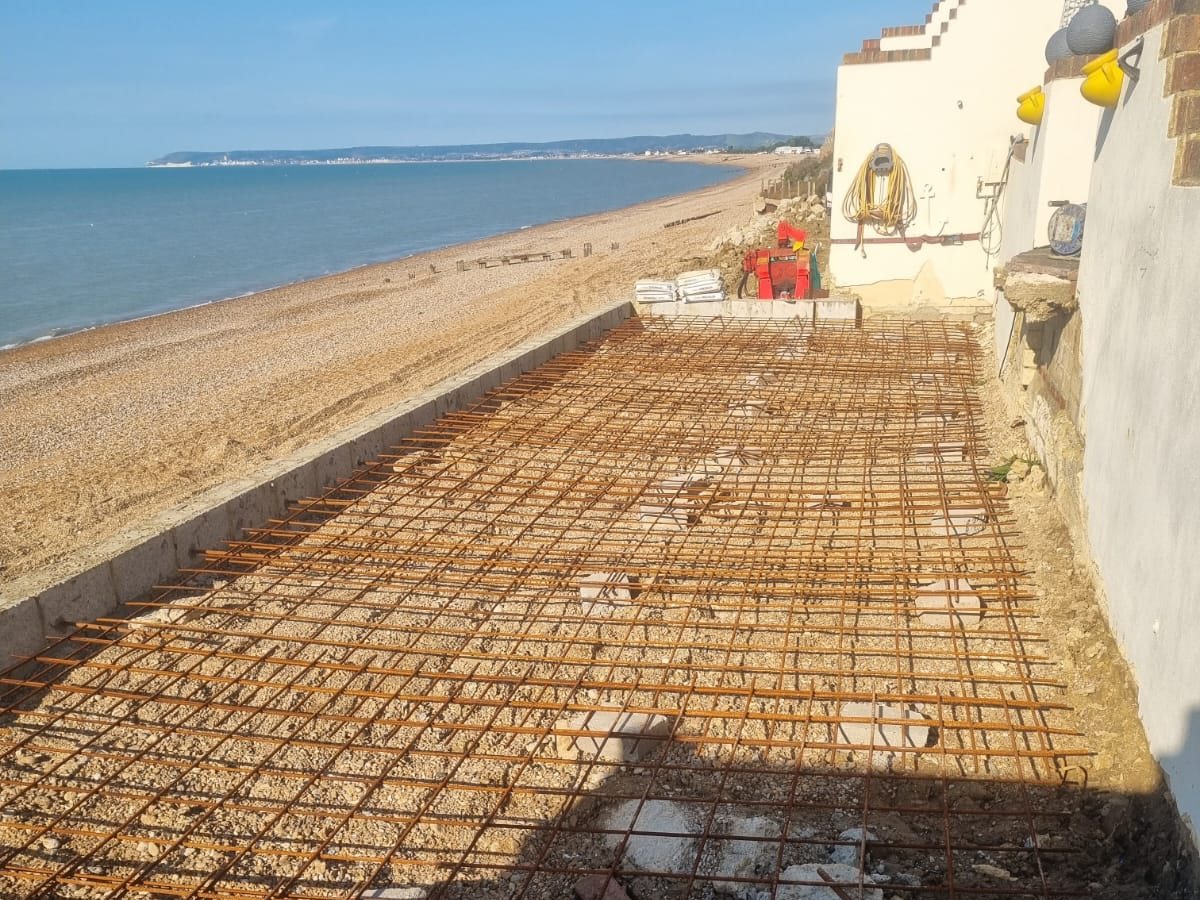
We run eight divisions and they all sit under one roof: Demolition, Strip Out, Groundworks, Site Enabling and Remediation, Haulage and Muck Away, Sea Defence, Piling, and Underpinning. Sea Defence is the one that never comes up this far inland, but the rest covers a job from the first soft strip through to the last load of spoil, and on into piled foundations or underpinning to an existing wall. Because the plant and the lorries are ours and each stage is managed in-house, a Tunbridge Wells project does not sit still while somebody waits on a hired excavator or a third party grab lorry, and there is one number to ring when the programme changes.
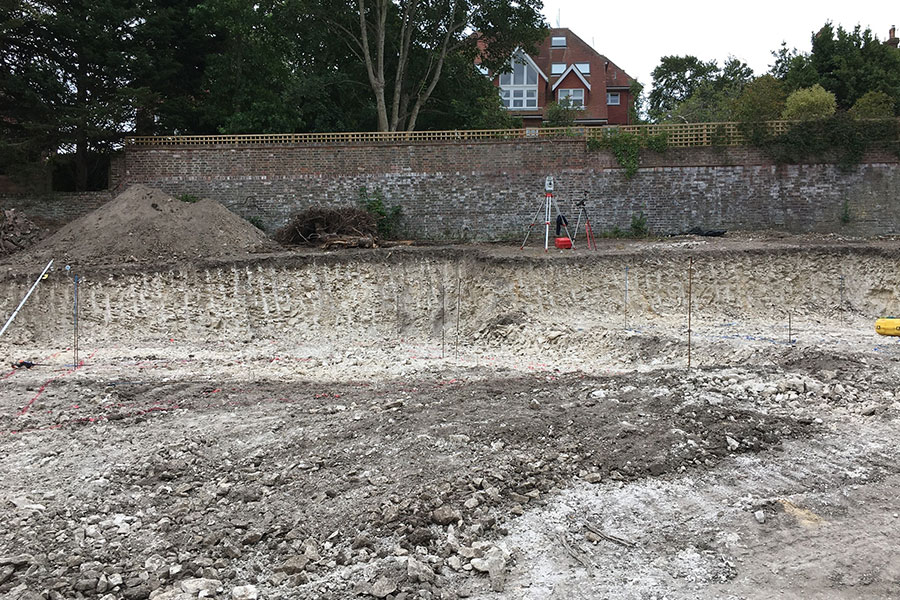
On the ground
What Tunbridge Wells Sites Actually Need.
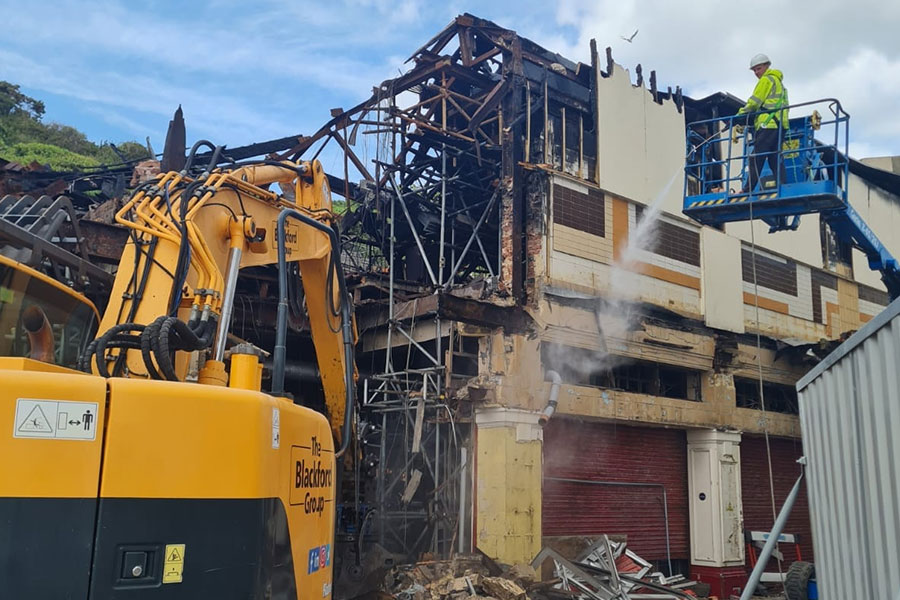
Sandstone, Clay and Water in the Slope
The town sits on the Hastings Beds of the High Weald, broadly Tunbridge Wells Sand with Wadhurst Clay around and beneath it. You can see the sandstone in the outcrops on the Common and at High Rocks. It can be firm to dig, and it can also be soft, silty and wet where water sits on the clay and breaks out as a spring, which is how the town came to be here in the first place. Put that under a steep garden and a plot that looks simple from the road can need retaining, temporary works and sometimes piling. Around High Brooms there is old brickworks and railway ground as well, so made ground and buried obstructions are worth allowing for rather than hoping for the best.
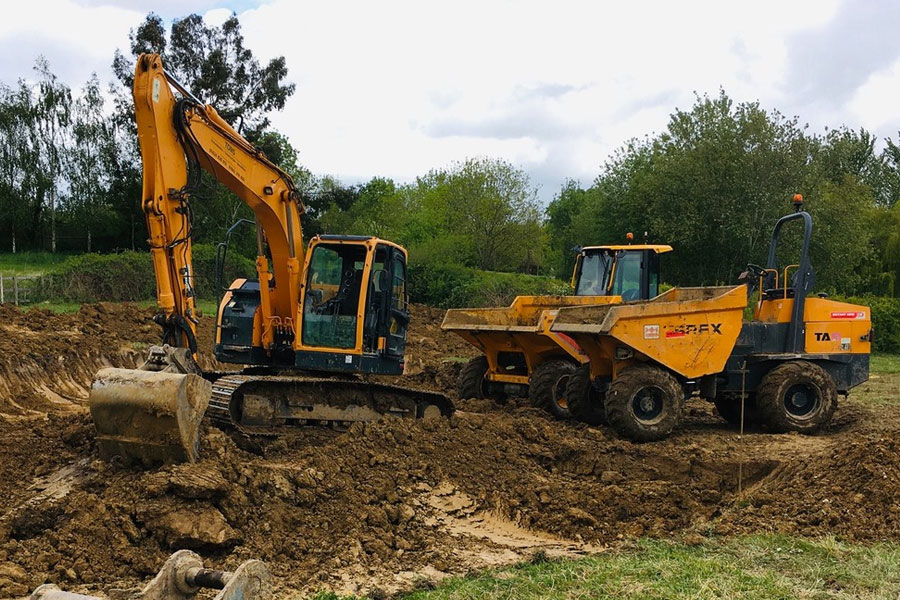
Conservation Areas and Listed Neighbours
A large part of the older town falls inside conservation areas, there are listed buildings well beyond the Pantiles and the centre, and the High Weald National Landscape covers much of the countryside around it. That changes how a job is done, not just what is allowed. Demolition often needs consent before anything moves, and the method tends to be hand demolition and saw cutting rather than a machine swinging at a wall. Retained frontages need propping and protecting, dust and noise need controlling because the street is lived in, and it is worth having record photographs taken before work starts so there is no argument later.
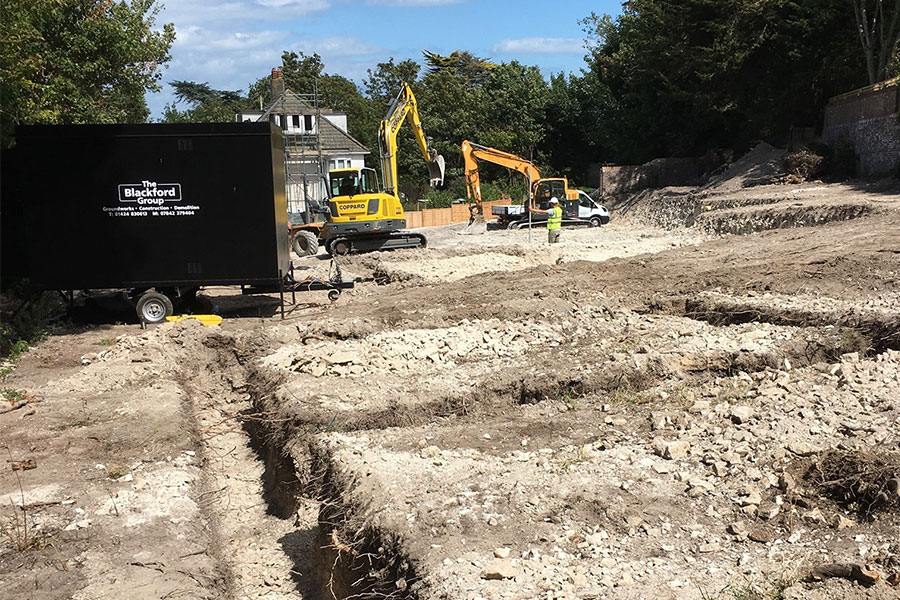
Narrow Streets, Parking and Lorry Routes
Access is the thing that catches people out in Tunbridge Wells. Many streets are Victorian, steep and parked both sides, the town centre one way system limits where a lorry can turn, and the A26 through Southborough is slow at the usual times. We look at all of that before pricing: what size excavator can actually get on, whether it goes through a side alley on tracks, whether a grab lorry suits the street better than an eight wheel tipper, and what time of day loads can come and go without blocking a residential road. Hoardings, scaffold over the footway and skips on the highway need licences, and the road needs keeping clean.
Where we work
Areas We Cover Around Tunbridge Wells
Southborough
On the A26 between Tunbridge Wells and Tonbridge, with Victorian terraces, post war housing and a lot of infill behind the main road. Frontages are tight and the road is busy, so deliveries and plant movements need timing.
High Brooms
Grew up around the old brickworks and the railway, so terraced streets, made ground in places and the North Farm units on the doorstep. Suits industrial strip out, slab breaking and spoil removal.
Rusthall
On the west side by the Common and Toad Rock, mixing older cottages with post war housing. Narrow lanes and sandstone underfoot, so access and temporary works matter more than machine size.
Langton Green
West along the A264, mostly larger detached houses around the green. Typical work is a house taken down and replaced, or deep foundations and drainage for a substantial extension.
Speldhurst
A small village north west of the town with narrow lanes and old cottages, some of them listed. Small plant and careful demolition next to neighbouring buildings, rather than anything with a long reach.
Pembury
East of the town by the A21 junctions and the hospital, with modern estates and commercial ground. Access is good for low loaders, so bigger machines are easier to get on site here.
Hawkenbury
South east of the centre, mainly interwar and post war housing on decent sized plots. Garage demolition, back garden new build and a full site strip before a rebuild all suit the area.
Bidborough
On the high ground north west of Southborough, a small village of large detached houses and narrow lanes. Replacement houses and big extensions are typical, and access is usually the first thing to solve.
Frant
Just over the Sussex border south of the town on the A267, with a green, old cottages and outlying farms. Farm buildings, careful demolition near listed neighbours and new access tracks are the usual jobs.
Who we work for
Clients We Look After in Tunbridge Wells
Commercial and Retail
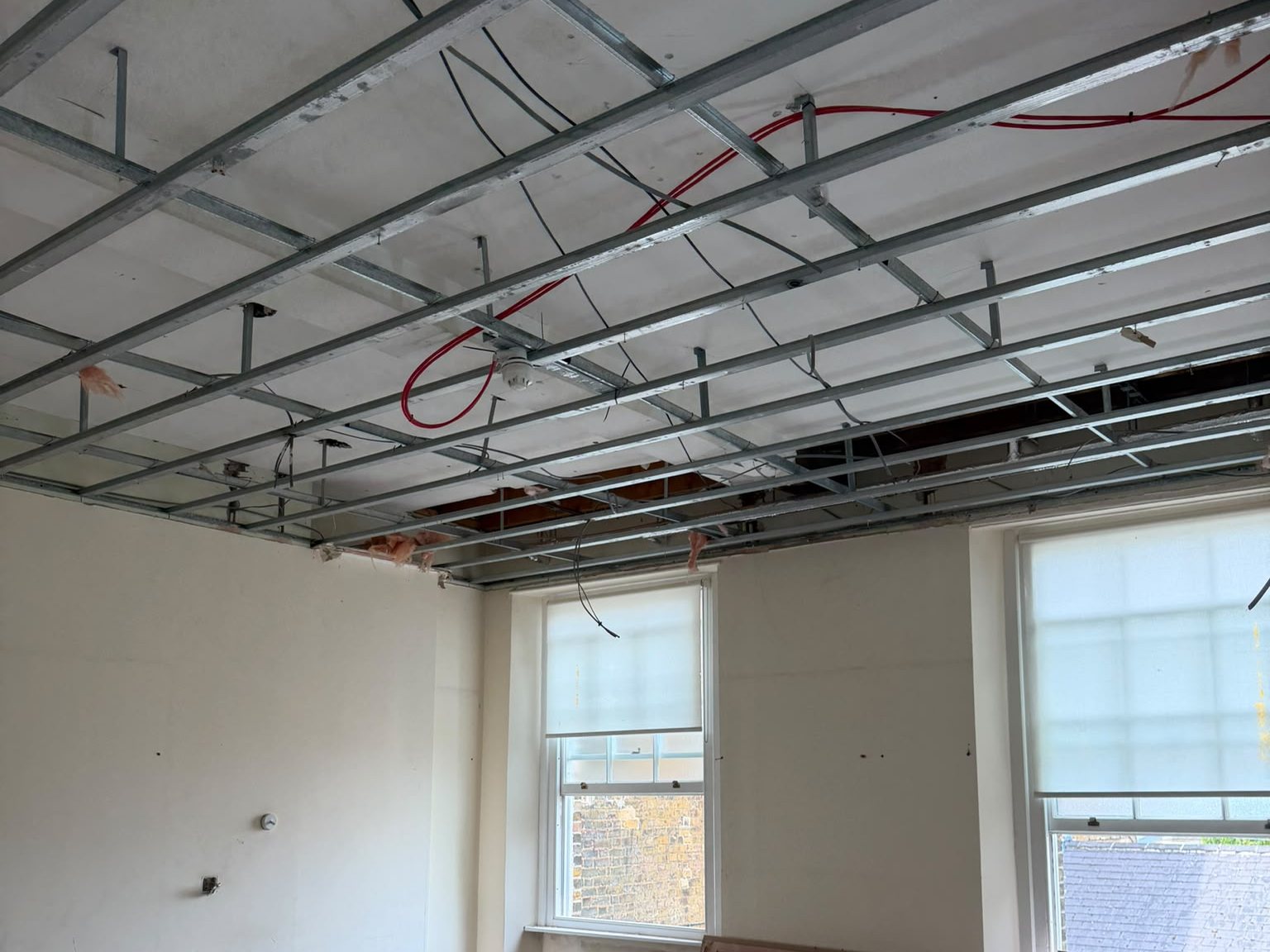
Town centre offices, shops and hospitality units around Mount Pleasant, Calverley Road and the Pantiles usually want a soft strip first: partitions, ceilings, services and old fit outs taken out cleanly with the building still standing. From there we break out slabs, form new openings, dig and lay drainage, and sort service yards and hardstanding. Where a frontage has to be kept for planning reasons, we prop it, protect it and work around it.
Industrial and Trade Units
Around North Farm and Longfield Road the buildings are mostly steel frame and blockwork, and the work is bigger and blunter: full demolition, frame drop, slab and foundation removal, then site enabling so the ground is ready for whatever comes next. We deal with made and contaminated ground, crush and reuse hardcore on site where it makes sense, and take the rest away on our own lorries so nobody is standing about waiting for a skip.
Homes and Private Clients
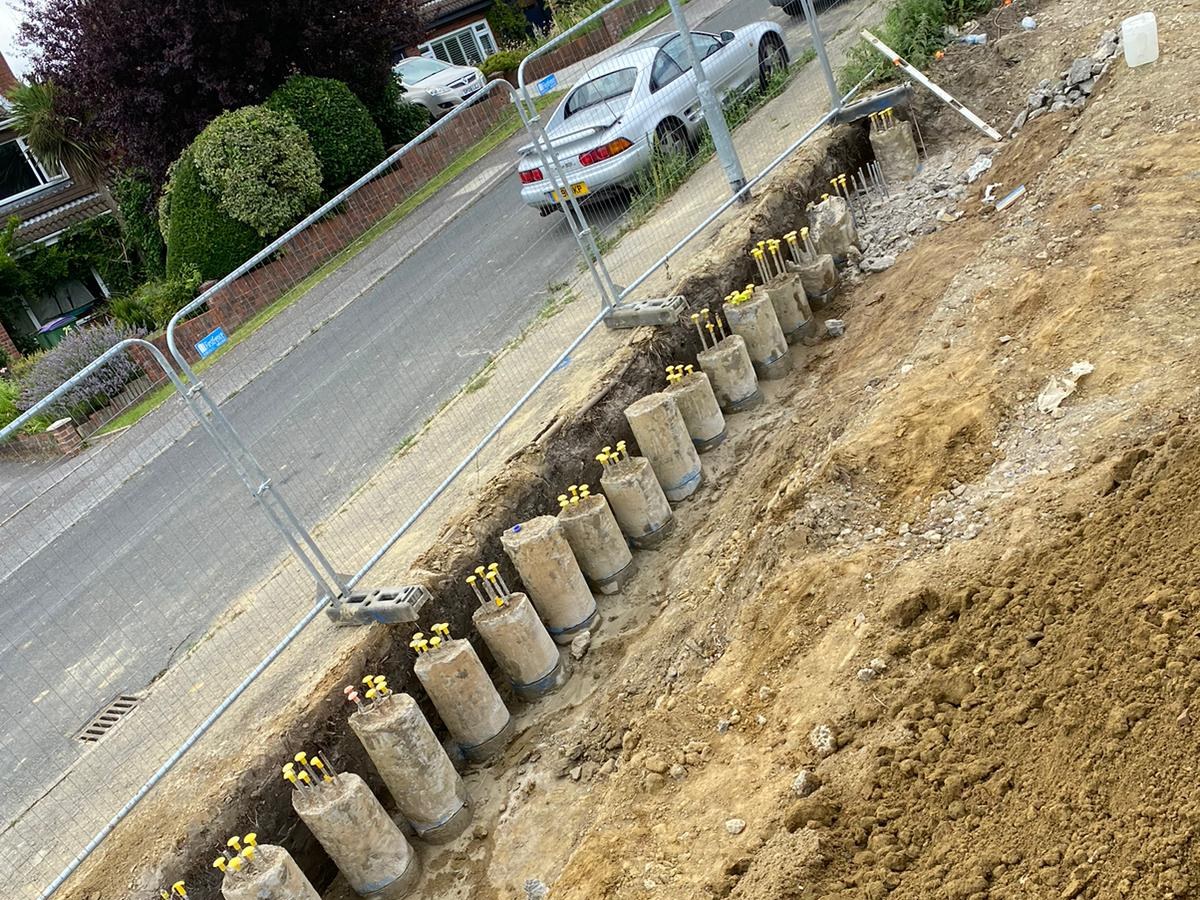
Most private work in Tunbridge Wells happens on an occupied street: a garage or outbuilding down, a rear extension dug out, a lower ground floor formed under a Victorian house, or an old bungalow cleared for a replacement. We do the demolition, the dig, the drainage, the foundations and the muck away, and where the ground or a neighbouring wall needs it, the piling and underpinning as well. Neighbours, dust and the state of the road are managed as part of the job, not as an afterthought.
FAQs
Tunbridge Wells Questions
The things people in Tunbridge Wells ask us most. If your question is not here, call 01424 830613 and we will answer it straight.
Do you actually cover Tunbridge Wells?+
Yes. We work nationwide, and the town is a run north from our yard at Upper Wilting Farm in St Leonards-on-Sea, straight up the A21. The machines and the lorries are ours, so there is no waiting on a local hire yard before we can get going. Ring 01424 830613 and we will come out and look at the site.
What permissions are needed before demolition starts?+
It depends on the building. Demolition normally needs a notice served on the council before it begins, and in a conservation area, which covers a good deal of older Tunbridge Wells, taking a building down usually needs planning permission as well. Listed buildings need listed building consent. Hoardings, scaffold over the footway and skips on the road need a licence from the highway authority. We handle the notices and licences that sit with the contractor and tell you plainly what your side needs to cover.
My neighbour's wall is right on the boundary. How is that handled?+
Party wall notices and any award are between you, your neighbour and the surveyors, and we work to whatever is agreed. On site that usually means demolition by hand close to the line, propping and temporary support rather than pulling, and a photographic record of the neighbouring property before anything starts. If the neighbouring foundation needs supporting, our underpinning division does that as part of the same job rather than bringing another firm in.
How do you deal with asbestos?+
Older Tunbridge Wells buildings often have it, so a refurbishment and demolition survey needs doing before any strip out or demolition. Licensed material is removed by a licensed contractor and we programme that in at the front of the job rather than finding it halfway through. Non-licensed material is removed under controlled conditions and documented. Nothing gets broken out until we know what is in the building.
Who takes the muck away, and where does it go?+
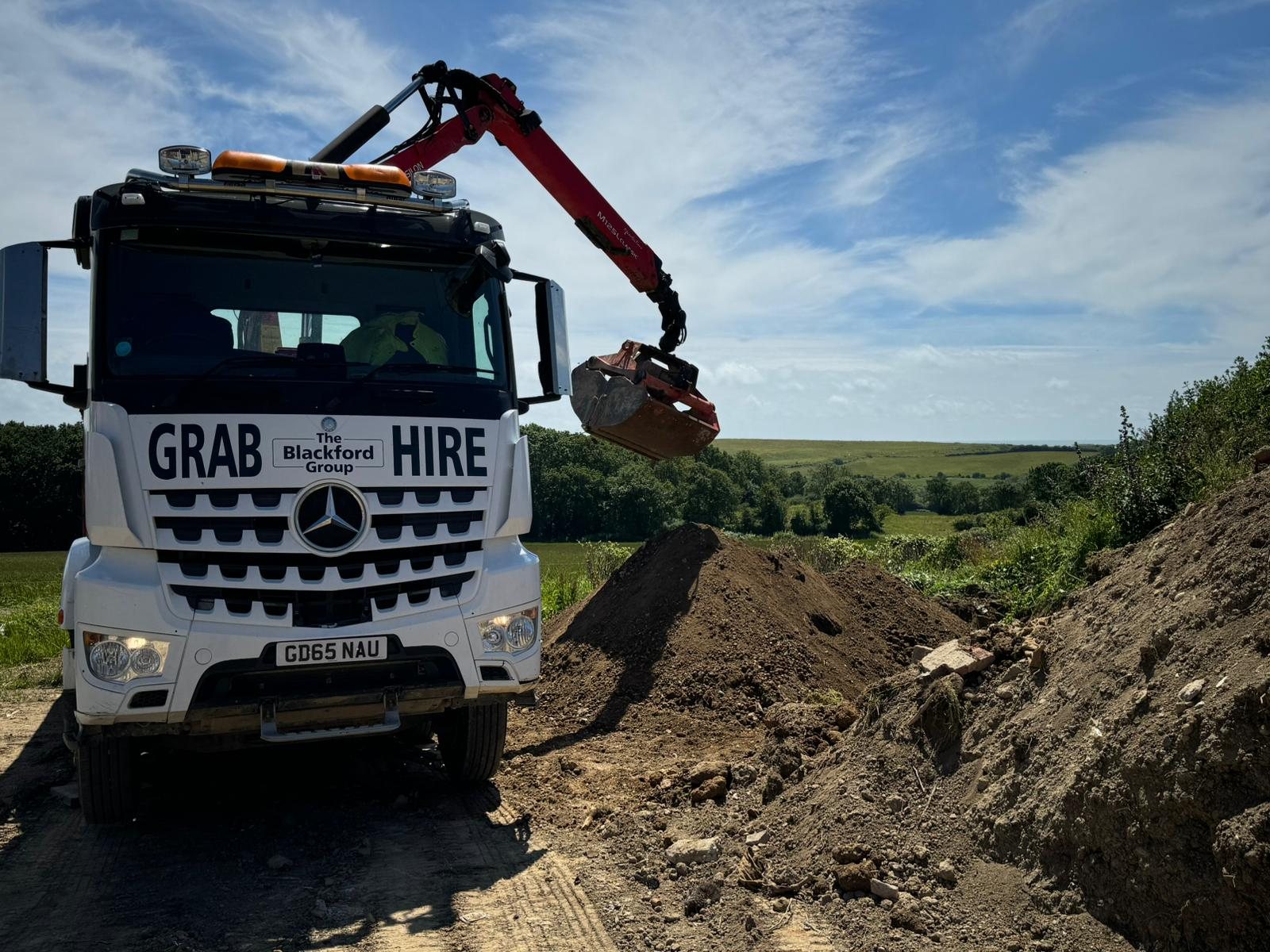
Our own Haulage and Muck Away division does it, so the team digging the hole is the team clearing it. Material goes to a permitted facility with the paperwork you need for your file. Where the ground suits it we crush and reuse hardcore on site, which cuts the number of lorry movements through town and usually saves money on both the load out and the fill coming back in.
Can you get plant onto a tight street or a steep garden?+
Usually, but it gets worked out before we price rather than on the day. That means checking what will physically fit down a side passage or over a drive, whether the surfacing and the ground will take it, where a lorry can stand while it loads, and when in the day material can move without blocking residents in. On the tightest jobs in town it comes down to mini excavators, dumpers and a fair amount of demolition by hand, with material barrowed out to the road.
Recent Work
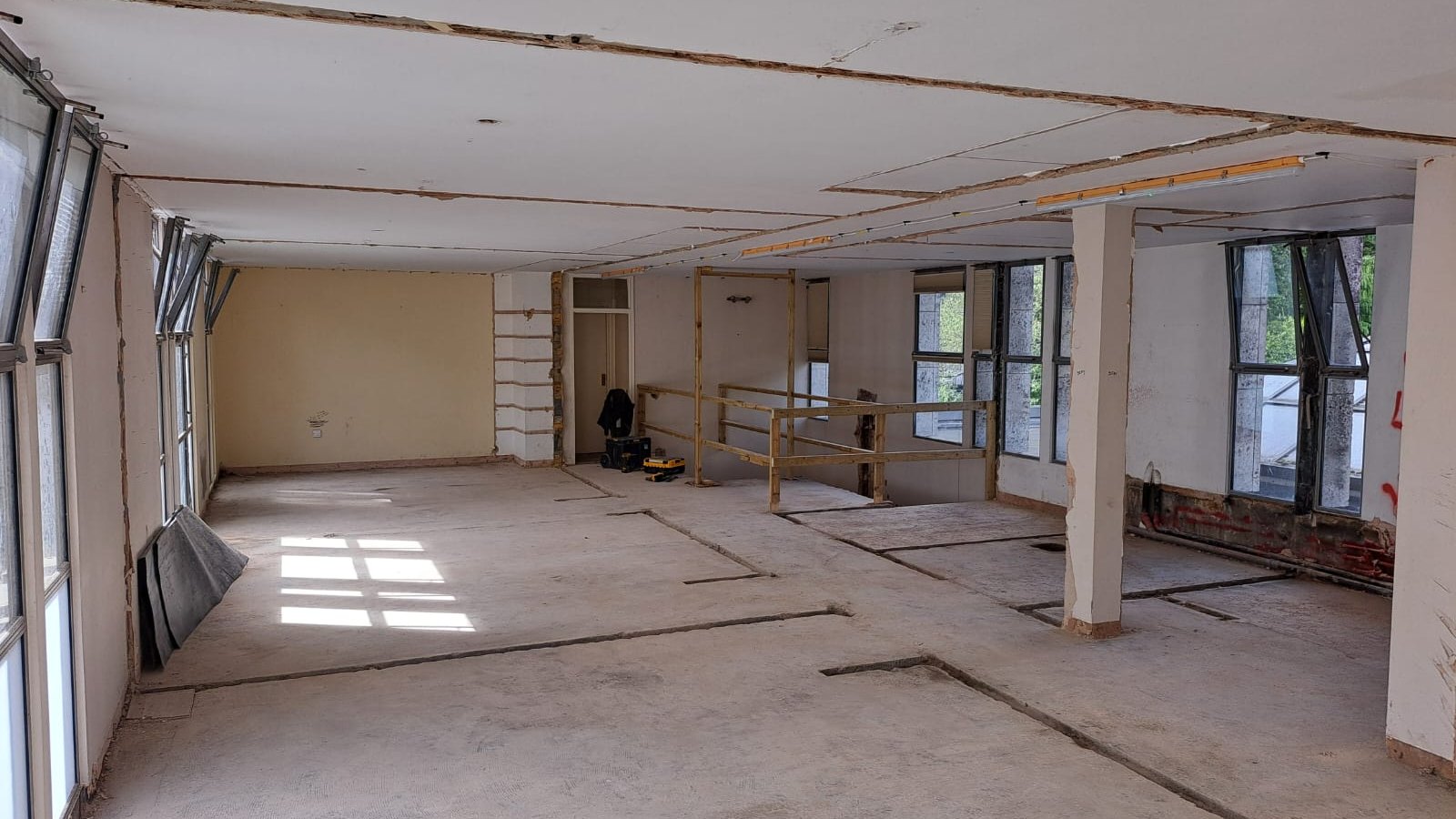
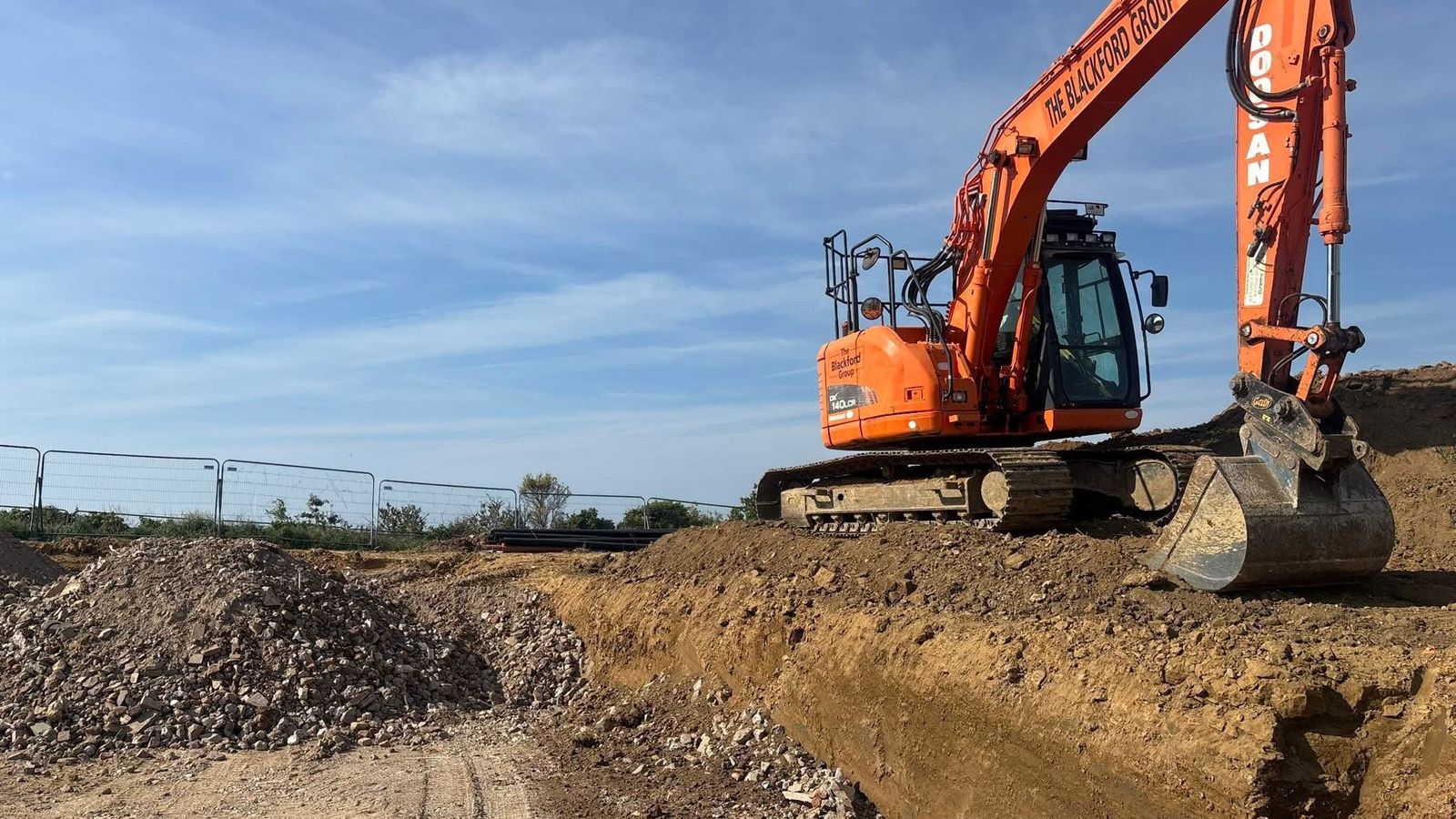
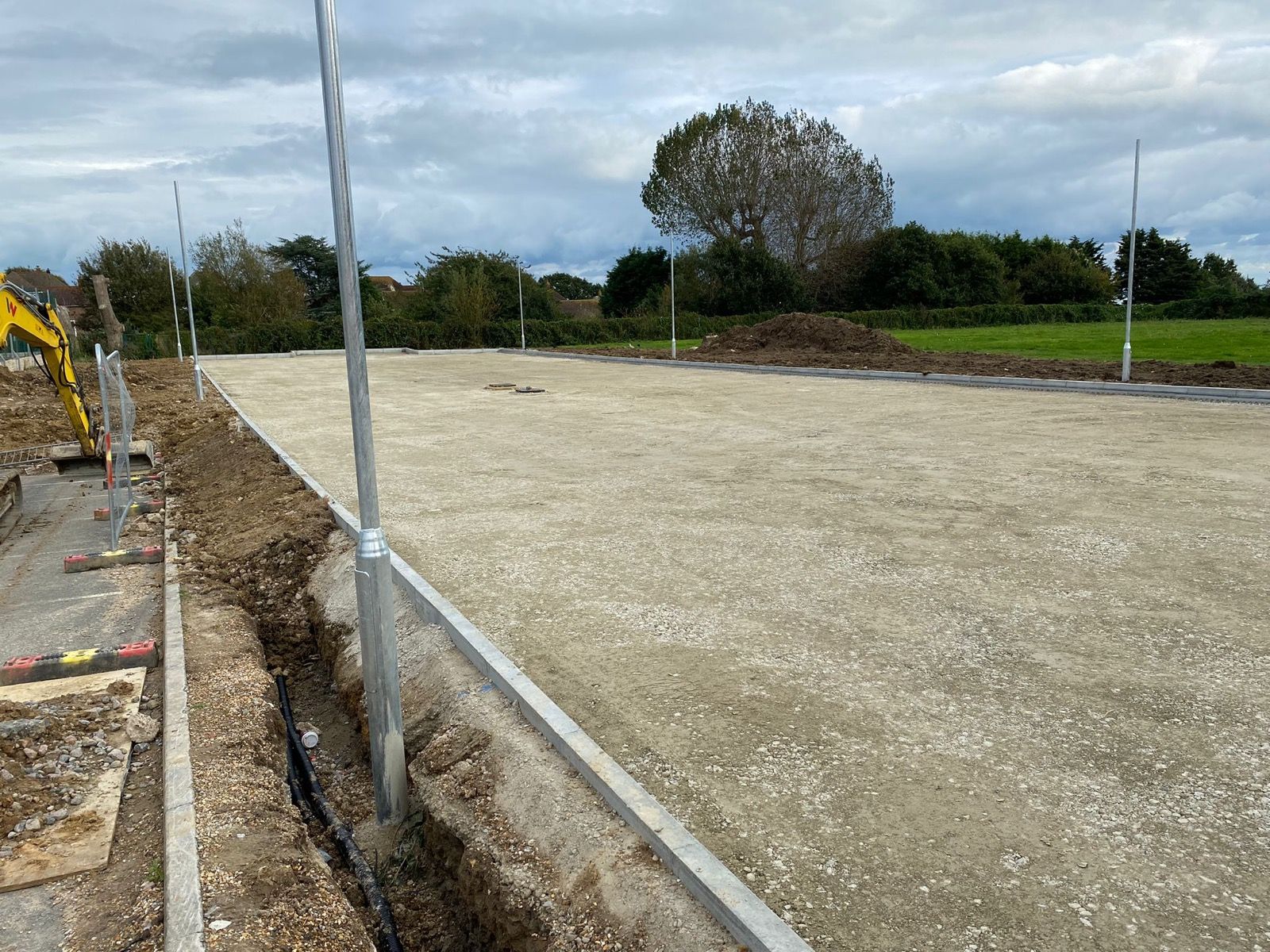
If you have a project in Tunbridge Wells, whether that is a house coming down in Hawkenbury, a shop stripped back near the Pantiles, or a trade unit and slab cleared at North Farm, we are happy to come out and look at it. Tell us what needs to go and what has to be there afterwards, and we will price the demolition, the muck away and the groundworks as one job with one team on site. Call The Blackford Group on 01424 830613.
Planning Work in Tunbridge Wells?
Tell us what you need moving, clearing or building and we will come back with a straight answer and a fair price.