
Division 04
Site Enabling Work in East Sussex, West Sussex, Kent and Nationwide
Clearance, obstruction removal, ground remediation and earthworks that turn a difficult site into a level, tested platform the main build can start on.
Overview
Site Enabling & Remediation, Managed In-House
Site enabling and remediation covers everything that has to happen to a plot before a main contractor can put a spade in the ground. On a typical job that means clearing what is standing and growing, grubbing out old foundations, slabs and tanks, dealing with whatever the ground investigation turned up, cutting and filling to the levels on the engineer's drawing, and leaving a compacted formation that heavy plant can work off safely. The Blackford Group carries out that work nationwide, run out of the yard at St Leonards-on-Sea in East Sussex.
Enabling problems tend to arrive in one of three shapes. There is the site where a phase 2 ground investigation has found hydrocarbons around a redundant fuel tank, and a planning condition that will not be discharged until a verification report lands with the council. There is the site with a piling rig booked and nothing safe for it to stand on. And there is the plot buried under Japanese knotweed, made ground and a collapsing farm building. On paper they look like three different jobs. In practice they are solved with the same skills, the same paperwork and the same machines.
We start with the reports rather than the plant. Borehole and trial pit logs, WAC results, gas monitoring data and the remediation strategy tell us what can stay on site and what has to leave, and the gap between those two figures is usually the biggest number on an enabling budget. Where material can be reused under a materials management plan, we design the earthworks around reusing it, because every cubic metre kept on site is a load that does not go out and a load of stone that does not have to come back in. Where it genuinely has to go, it goes, on the right documentation, with the tickets kept for the handover pack.
Demolition, groundworks, haulage and piling all sit inside the same company, so an enabling job is not waiting on a hire yard to free up a breaker or on somebody else to send a lorry. The crusher turning demolition arisings into stone for the haul road is ours, and so are the tippers taking material off site and the rollers compacting the fill behind them. That means one programme, one site manager and one office to ring when the ground does something nobody expected, which on enabling work it usually does at some point.
What we offer
Our Site Enabling & Remediation Services
Site Clearance and Vegetation Removal
Scrub, hedgerow, trees, fly tipping and old hardstanding taken off a plot so the rest of the works can begin. We clear with a mulching head or a tree shear rather than burning, and chip or grind what can stay on site as mulch. Clearance is planned around the bird nesting season and around any bat, badger or other ecological constraint set out in the planning conditions or the ecologist's method statement, because getting that wrong stops a job dead.
Grubbing Out Foundations and Obstructions
Old strip footings, mass concrete bases, cellars, inspection pits, pile caps, wells, septic tanks and buried slabs that turn up once the made ground comes off. We break them out with hydraulic breakers and pulverisers, pull and separate the reinforcement for recycling, crush what is clean for reuse, then backfill the void in compacted layers so nothing settles under the new build. Obstructions sitting under a proposed pile position are recorded and passed to the piling engineer.
Contaminated Ground Remediation
Hotspot excavation and removal where the strategy calls for it, treatment or stabilisation where it does not. We dig to the depths and boundaries the remediation strategy sets, keep contaminated arisings apart from clean material at every stage, and hold the excavation open so the client's consultant can take validation samples from the base and the sides before anything goes back in. If the contamination runs past the drawn line, the machine stops and the consultant decides, not the operator.
Clean Cover, Capping and Gas Protection
Where contamination is left in place it is capped instead of dug out. That means a clean cover system laid over a marker geotextile so anyone digging in future knows exactly where the line sits, imported topsoil and subsoil to gardens and soft landscaping, and ground gas protection built to the design where methane or carbon dioxide has been recorded, or radon protection to the BRE guidance where the plot sits in an affected area. Gas protection is designed to BS 8485 and verified as it goes in, because a membrane is only ever worth what the installation and the sign off are worth.
Tank Removal and Hydrocarbon Hotspots
Redundant underground fuel and oil tanks, interceptors and pipe runs. Tanks are emptied, cleaned and made gas free before a machine goes anywhere near them, then lifted out or, where lifting is not practical, decommissioned in place by filling with foam concrete. Where the tank held petrol, the local petroleum enforcement authority has a say in how it is dealt with. The stained ground underneath is usually the real job, so we dig that out and let the consultant confirm the base and sides of the dig are clean before it is backfilled.
Japanese Knotweed and Invasive Plants
Knotweed, giant hogweed and Himalayan balsam handled to a written management plan. Depending on the site and the programme that is a herbicide programme run across several growing seasons, a dig and cart to a landfill permitted to accept it, or burial or bunding behind a root barrier where the plot has the space for it and the Environment Agency is content with that route. Exclusion zones, wash down points and plant kept off the treated area are what stop it being tracked across the rest of the plot.
Bulk Earthworks, Cut and Fill
Topsoil stripped and stockpiled properly rather than mixed through the muck, subsoil kept separate from it, then cut and fill worked to a GPS model so the site balances and fewer lorries are needed in either direction. Fill is placed and compacted in layers to the earthworks specification, and the finished formation is checked by plate bearing test, CBR or proof rolling so the engineer has evidence it does what was asked of it. Imported topsoil is specified to BS 3882 and subsoil to BS 8601.
Piling Mats and Working Platforms
Granular platforms built from crushed concrete or recycled granular fill, over a geogrid where the platform design includes one, to the depth and specification that design sets out. The platform design itself is the client engineer's job and normally follows the BR 470 guidance. We build to that design, then proof roll and load test it so the platform can be certified before any rig arrives. The mat is then inspected and topped up as the rig works its way round the plot.
How we work
How a Site Enabling & Remediation Job Runs.
Ground Reports, Searches and Strategy
Before anything is priced we want the desk study, the phase 2 investigation, the borehole and trial pit logs, any WAC and gas monitoring results, and the remediation strategy if one has been written. Alongside that we run utility searches and sweep the plot with CAT and Genny and, where the ground suits it, GPR, then prove what has been picked up with hand dug trial holes or a vacuum excavator. That is the point at which it becomes clear what leaves site, what stays, and where a machine cannot safely go.
Set Up, Segregation and Disconnections
Fencing goes up, welfare and the compound are sited clear of ground that has to be dug or capped later, and the stone entrance, haul road and wheel wash go in first so nothing reaches the public road on a tyre. Stockpile areas are set out and kept apart, one for clean material staying on site under the materials management plan and one for anything suspect. Retained trees get root protection fencing to BS 5837, live services are capped and disconnected by the statutory undertakers, and local authority permits, licences and any consent covering working hours and noise are in place before plant arrives.
Clearance, Breaking Out and Grubbing Up
Vegetation comes off, structures come down, and then the ground gives up what was hidden under it. Slabs, footings, bases and buried tanks are broken out and grubbed up, steel is pulled and separated for recycling, and clean concrete and brick go through the crusher to come back as capping, piling mat stone or pipe bedding. Voids left where structures were are backfilled and compacted in layers, so the plot finishes even instead of settling in patches once it is loaded.
Remediation, Capping and Validation
Contaminated material is dug to the extents in the strategy and kept away from clean arisings, with hazardous loads leaving on consignment notes and everything else on transfer notes. If a hotspot runs beyond the drawn boundary we stop and get the consultant to sample it rather than guessing. Capping layers, marker geotextiles, clean cover and gas protection go in to the design, and the dig is held open for validation sampling so the consultant has what is needed for the verification report the planning condition turns on.
Earthworks, Platform and Handover
With the ground signed off, the site is cut and filled to the model, compacted in layers and tested. Formation levels are surveyed, platforms are proof rolled and load tested for the engineer, and temporary drainage and silt management are left working rather than pulled out on the last day. The plot is handed over with the paperwork that belongs to it: transfer and consignment notes, weighbridge tickets, compaction and plate bearing results, certificates for imported material and an as built survey.
Our kit
The Plant We Bring to a Site Enabling & Remediation Job.
360 excavators in a range of sizes: the main machines for grubbing out foundations, digging hotspots and loading dumpers.
Hydraulic breakers and concrete pulverisers: for slabs, mass concrete bases, ring beams, old pile caps and reinforced footings.
Mulching heads and tree shears: clearing scrub, hedgerow and trees without burning or a convoy of chipper lorries.
Crushing and screening plant: turning demolition arisings into reusable stone instead of paying twice, once to send it out and again to bring aggregate in.
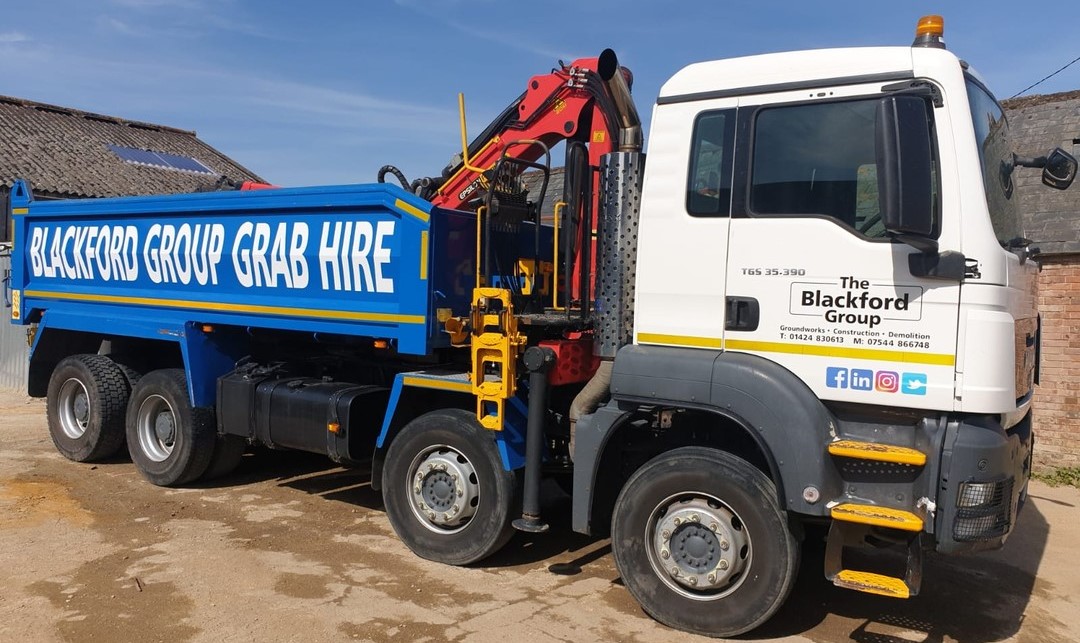
Dumpers and tipper lorries: shifting muck across wet ground and taking it off site under the right waste paperwork.
Padfoot and smooth drum rollers: putting fill down in compacted layers and proof rolling a finished formation before it is tested.
GPS machine control and survey kit: cutting to the engineer's model instead of chasing a line of pegs reset every morning.
Water bowser, dust suppression and wheel wash: keeping dust down on dry ground and mud off the public highway.
Rules and duties
What the Law Asks of This Work.
CDM 2015, Safe Digging and the Phase Plan
Enabling works are construction work, so the Construction (Design and Management) Regulations 2015 apply from the first day on site. That means a construction phase plan written for the actual job rather than a template, risk assessments and method statements for the tasks that carry the real risk, notification to the HSE where the project passes the thresholds, and a principal contractor running the site wherever more than one contractor is involved. Buried services are treated the way HSG47 sets out: search the records, locate and mark up, then dig with care and by hand near anything live. Excavations are battered back or supported, and how somebody gets into a hole, and back out of it, is worked out before the hole is dug.
Waste Duty of Care and Contaminated Land
Everything leaving a site is waste until it is proved otherwise. The duty of care under the Environmental Protection Act 1990 means it has to be described honestly, classified against the right code in the List of Wastes and moved on a waste transfer note, or a consignment note where it is hazardous. Classification follows the WM3 guidance and landfill acceptance turns on WAC testing, so soil is sampled and classified before it is booked out rather than after a lorry has been turned away at a weighbridge. Where material can stay on site, the Definition of Waste: Development Industry Code of Practice and a materials management plan set out how that is done. The remediation itself is judged against the Land Contamination Risk Management guidance and against whatever the planning condition actually asks for.
Asbestos, Knotweed, Noise and Neighbours
Asbestos in made ground is common on former industrial and demolition sites and is covered by the Control of Asbestos Regulations 2012, with CIRIA C733 giving the practical guidance for soils. Work in the area stops if unexpected fibres or fragments show up, and anything that needs a licensed contractor goes to one before it goes any further. Japanese knotweed is controlled waste, and under the Wildlife and Countryside Act 1981 it is an offence to plant it or otherwise cause it to grow in the wild. Digging near a neighbour can bring the Party Wall etc. Act 1996 into play, because excavating within three metres of a neighbouring structure and deeper than its foundations means serving notice first. Noisy work is often governed by prior consent or a notice from the local authority under the Control of Pollution Act 1974, which sets the hours breakers and crushers can run, and depositing mud on the public road is an offence under the Highways Act 1980.
Who we work for
Site Enabling & Remediation for Every Kind of Client.
Commercial and Mixed Use Sites
Town centre plots, retail units, offices, schools and care homes, usually on a tight footprint with neighbours on three sides and a planning condition tied to the remediation. The work is mostly about sequencing and control: restricted access, party wall notices, agreed working hours, dust and noise held down, and the plot released to the main contractor in phases so the frame can start at one end while the last of the enabling work finishes at the other.
Industrial and Former Operational Land
Factories, depots, haulage yards, fuel installations and farms, where made ground, heavy slabs, tanks, interceptors and hydrocarbon staining are the norm rather than the exception. These sites need the most digging and the most testing, but they give the most back as well, because thick concrete slabs crush into good capping and piling mat stone, which takes lorries off the road going out and coming back in.
Residential Sites and Single Plots
Housing schemes, small developments and one off self builds. A residential end use brings the tightest remediation targets, because people grow vegetables and children play in the garden, so clean cover to soft landscaping, marker layers and gas protection are common planning conditions. On single plots the neighbours are close, so access, mud on the road, working hours and telling people what is happening matter as much as the digging itself.
On site
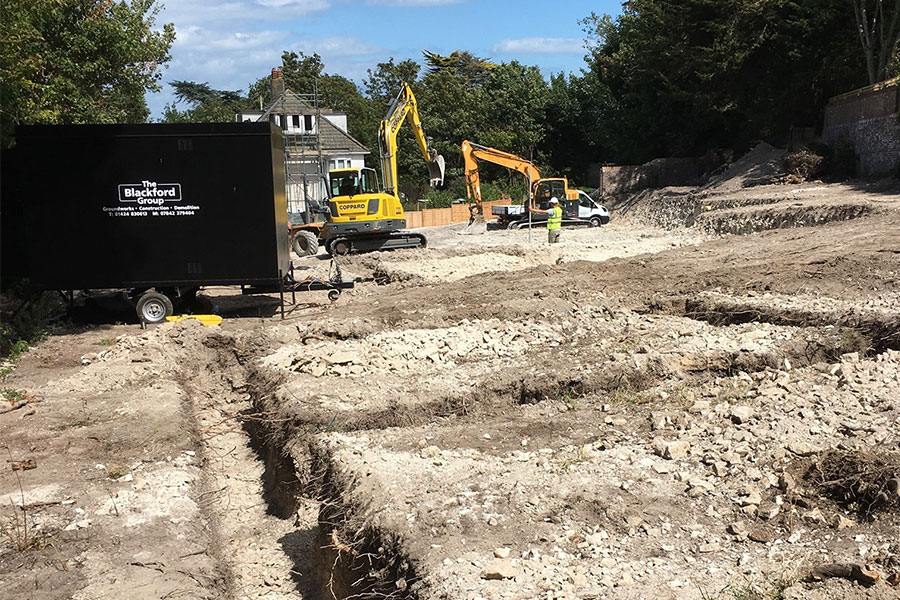
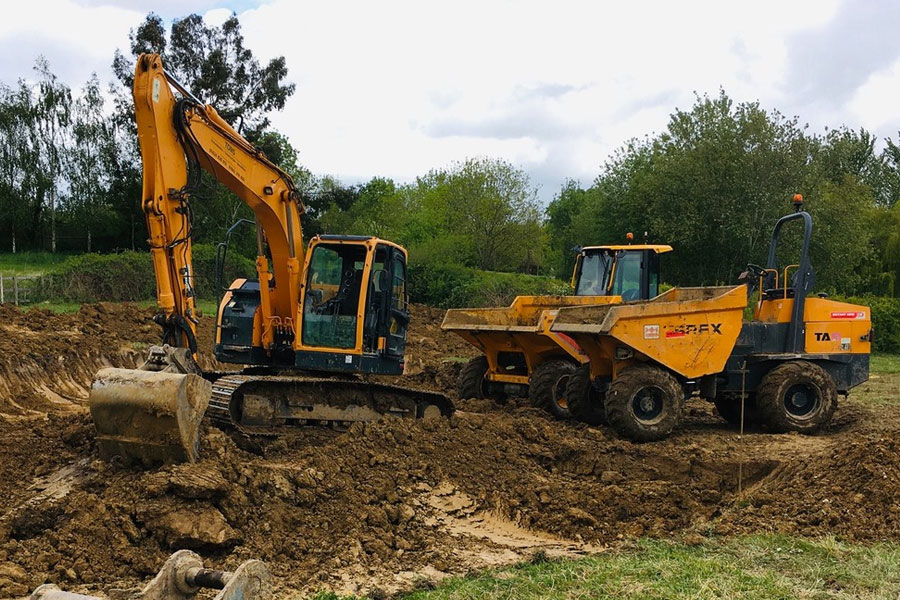
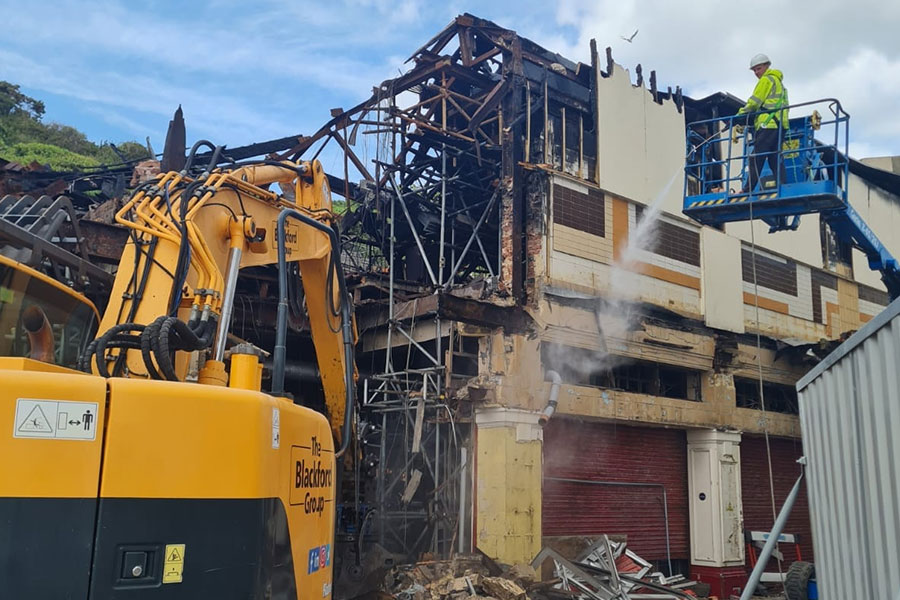
Site Enabling & Remediation in Action
FAQs
Site Enabling & Remediation Questions
What actually counts as site enabling works?+
Anything that has to be done to a plot before the main build can start. In practice that is site clearance, taking down what is standing, digging out redundant footings, cellars, slabs and tanks, handling contamination and invasive plants, service disconnections, temporary access and haul roads, bulk earthworks to bring the site to level, and building the platform a piling rig or a crane will stand on. If it is in the way of the first pour, it is enabling work.
Do we need a ground investigation before you start?+
For anything beyond straightforward clearance, yes, and it is in your interest. A phase 2 investigation with borehole logs and WAC results tells us how much material is contaminated, how it will be classified for disposal, and how much of it can be kept on site. Without that, an enabling price is guesswork and the variations turn up later, when the machines are already there. If you have not got one, your consultant can arrange it and we will work to their strategy.
What happens to contaminated soil that has to leave site?+
It is dug and kept apart from clean arisings, sampled and classified against the acceptance criteria for the receiving site, then booked out to a facility permitted to take that classification. Hazardous loads travel on consignment notes and non hazardous loads on transfer notes. The tickets and paperwork come to you in the handover pack, so the audit trail behind the planning condition is there when the council or your consultant asks for it.
Can you build a piling mat or working platform?+
Yes, working to the platform design your engineer or the piling contractor provides. The mat is built from stone we have crushed on site or imported granular fill, with a geogrid included where the design has one, and constructed to the depth specified. It is then proof rolled and load tested so the certificate can be signed off before the rig tracks on, and we keep the surface maintained while piling is going on, because a rutted mat is how rigs get into trouble.
How do you deal with Japanese knotweed?+
To a written management plan chosen to suit the site and your programme. Herbicide treatment is the cheapest route but runs across several growing seasons, so on a live development it is usually a dig and cart to a permitted landfill, or containment on site behind a root barrier where there is room and the Environment Agency agrees to it. Whichever route is taken, the area is fenced off, plant is washed down before it leaves it, and those arisings never share a stockpile with anything else.
What happens if something unexpected turns up in the ground?+
We stop, make the area safe and tell you the same day rather than digging on and hoping. Tanks, wells, unrecorded services, asbestos fragments in made ground and buried structures all turn up on enabling jobs, however good the site investigation was. What has been found is photographed and recorded, your consultant looks at it where sampling is needed, and any extra work is priced and agreed before it is carried out rather than after.
Do you work nationwide, and who runs the job?+
Yes. We work nationwide from the yard at Upper Wilting Farm in St Leonards-on-Sea, and we move our own plant on our own transport. Every job gets one site manager on the ground and one contact in the office, so you are not chasing three different firms for the clearance, the muck away and the earthworks. Ring 01424 830613 with the site address and tell us which reports you have, and we will tell you what else is needed in order to price it.
If you have a site that needs clearing, remediating or levelling before the main build can start, send us what you have: the ground investigation report, the remediation strategy, a site plan and the levels drawing if one exists. We will tell you what can be reused on site, what has to leave, and what the enabling programme realistically looks like, and we will say so if the reports are not far enough along to price the job properly yet. Call The Blackford Group on 01424 830613 or come to the yard at Upper Wilting Farm, St Leonards-on-Sea, East Sussex TN38 8EG. We work nationwide.
Need Site Enabling & Remediation?
Tell us what you need moving, clearing or building and we will come back with a straight answer and a fair price.