
Eastbourne, East Sussex
Demolition and Groundworks in Eastbourne
Demolition, groundworks and site clearance across Eastbourne and the surrounding villages. Own plant, own fleet, all stages in-house. Call 01424 830613.
Working in Eastbourne
Demolition & Groundworks in Eastbourne
Eastbourne is really two kinds of town sitting on one map. West and south of the centre the land climbs straight into the chalk of the South Downs at Meads, Old Town and Beachy Head, so sites there sit on firm ground that can still give you hard digging and steep, narrow access. East of the centre, out through Langney, Sovereign Harbour and on towards the Pevensey Levels, the ground flattens into old marsh and reclaimed land with a high water table and a lot of drainage running through it. The same job can be two very different jobs depending on which side of town it lands on, and that is the first thing we look at before we price anything here.
Most of the town was laid out in the nineteenth century under the Dukes of Devonshire, which is why the seafront and the streets behind it run in long terraces of brick and render with basements, bay fronts and shared party walls. Around that core sit the interwar semis of Old Town and Willingdon, the post-war estates at Hampden Park, Langney and Shinewater, the light industrial units off Lottbridge Drove and around Hampden Park, and the newer housing and apartment blocks at Sovereign Harbour. Each of those layers behaves differently once you start taking something down or digging alongside it, and each one asks for a different size of machine.
Access is straightforward once you know the roads. The A22 drops down from the north through Polegate and meets the A27 at the Cophall roundabout, the A2270 brings traffic in through Willingdon, and the A259 runs east along the coast to Pevensey Bay, Bexhill and Hastings and west over the Downs through East Dean and Friston. Our yard is at Upper Wilting Farm near St Leonards-on-Sea, so Eastbourne is a short run west along the coast for our lorries and low loaders. Plant arrives without a long trunk road haul behind it, and muck goes out the same way.
Planning and building control sit with Eastbourne Borough Council, while East Sussex County Council looks after the highway, so most jobs of any size touch both. Development in the town tends to follow a few patterns: infill and conversion in the Victorian streets, replacement or refurbishment of tired retail and office space around Terminus Road and the town centre, re-use and rebuild on the industrial estates, and new build on the lower ground to the east. Demolition and groundworks feed all of it, and the real constraints are usually neighbours, water and access rather than the building itself.
Our services
What We Deliver in Eastbourne
All eight of our divisions are available on an Eastbourne project: Demolition, Strip Out, Groundworks, Site Enabling and Remediation, Haulage and Muck Away, Sea Defence, Piling and Underpinning. Because we run our own plant and fleet and manage every stage in-house, a job can go from strip out to demolition to piling to finished formation level without a handover to another firm, another set of insurances or another programme to chase. That matters in a town like this, where a site can need a careful strip out in a conservation area one week and dewatering, piling and drainage on soft ground the next. One contractor, one point of contact, one team responsible for what happens on site.
On the ground
What Eastbourne Sites Actually Need.
Chalk on One Side, Old Marsh on the Other
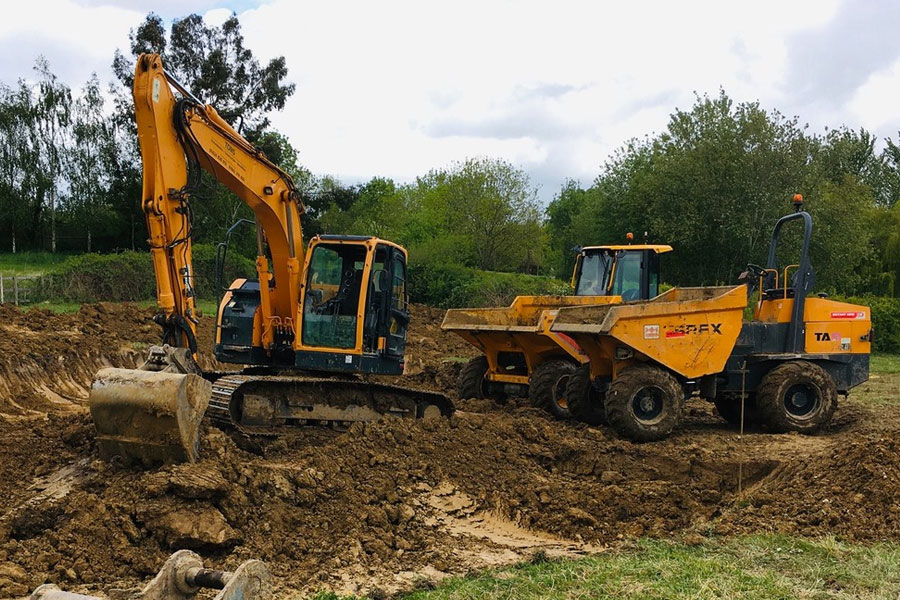
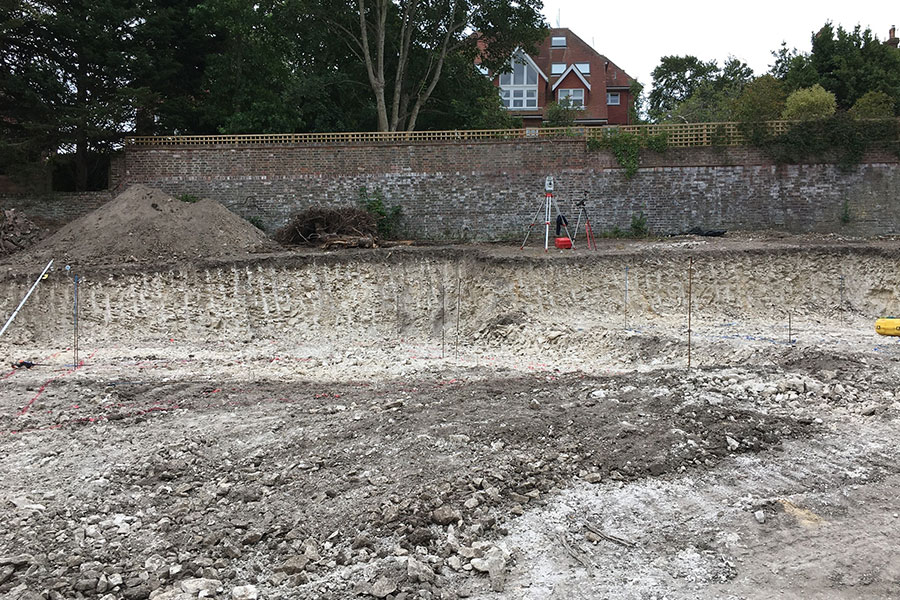
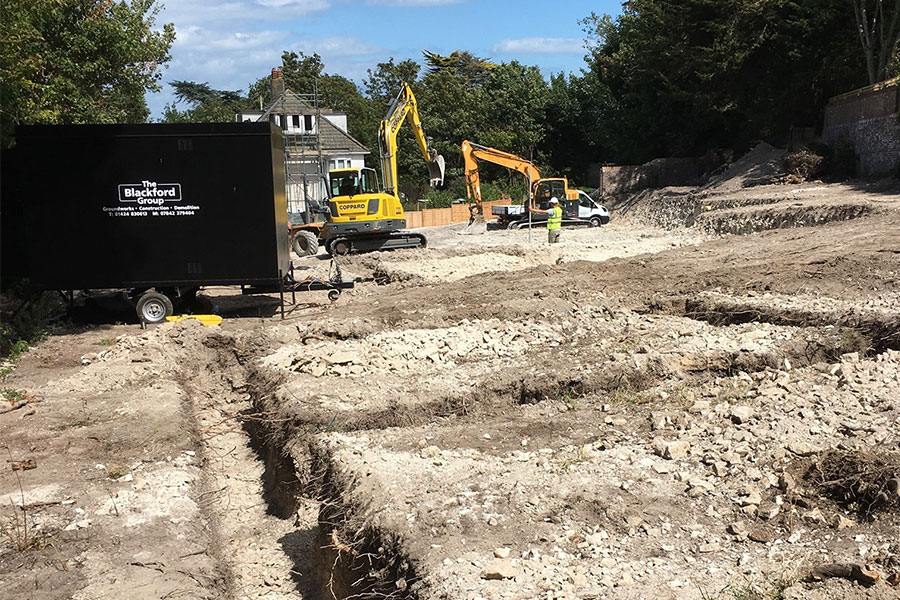
Eastbourne changes underfoot as you cross it. Meads, Old Town, Ratton and the higher ground towards Beachy Head sit on chalk, which is stable to build on but can be slow and expensive to break out, and can hold surprises where chalk and flint were once worked. Head east and north and you are onto low, soft ground towards the Willingdon and Pevensey Levels, with alluvium, a high water table and land drainage everywhere. Down there, excavations want dewatering, foundations often want piling, and any drainage strategy has to cope with a site close to sea level. It is worth knowing which of the two you are on before you commit to a foundation design.
Getting Plant in and Muck Out of a Victorian Grid
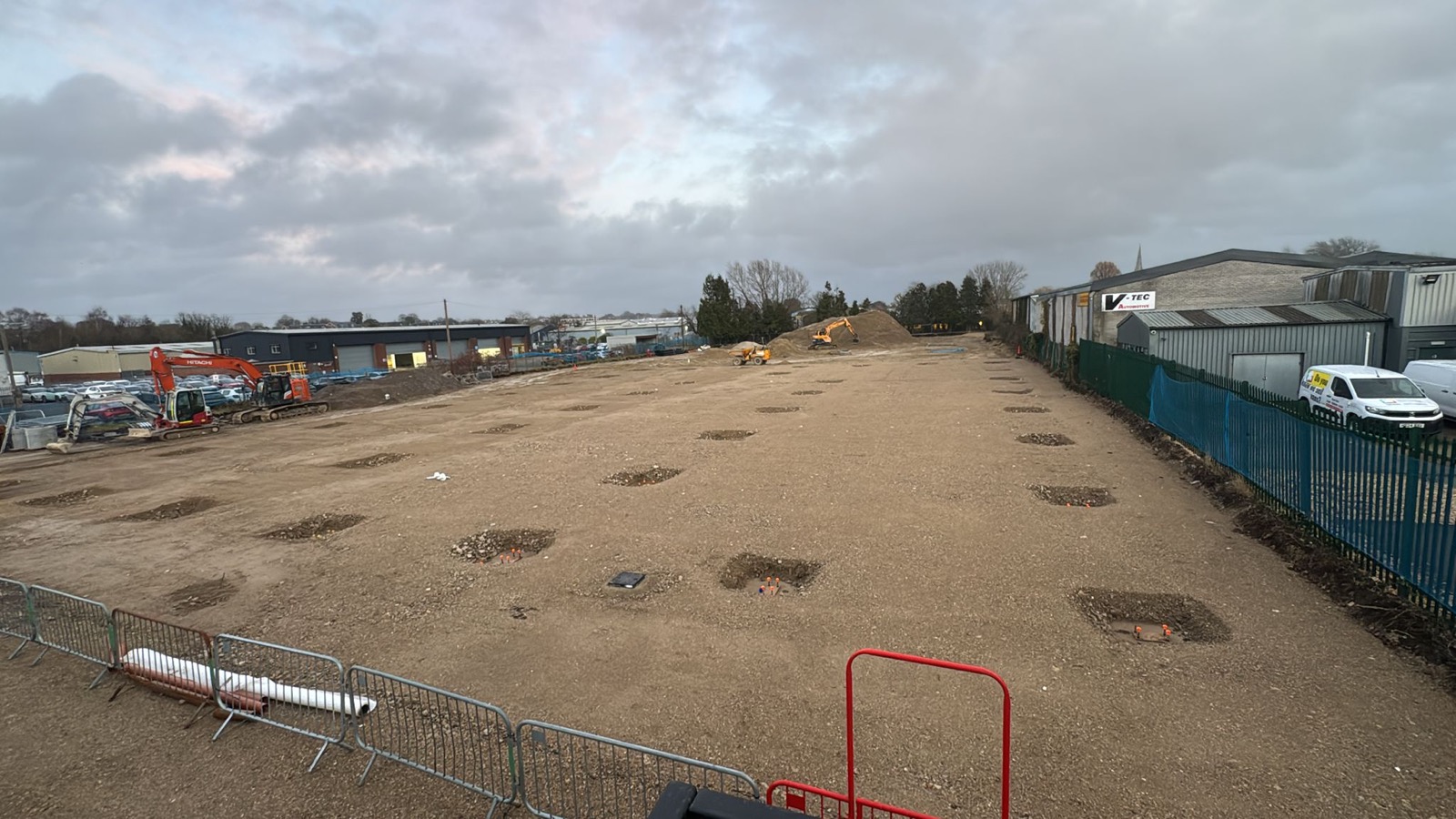
The streets behind the seafront were laid out for horses, not for eight wheelers. Terraces around Seaside, Upperton and Roselands have parking on both sides, no side access and neighbours a metre away, so we plan for smaller machines, muck moved to a single loading point, and tipper movements timed around the school run and summer seafront traffic. Town centre work brings the one way system, pedestrian streets and delivery windows into it as well. Out on the levels the constraint flips: the roads are open but some lanes are narrow with weak verges and weight limits, so wagon routing back to the A22, A27 and A259 gets worked out before the first load leaves site.
Heritage, Neighbours and What Is Already Buried
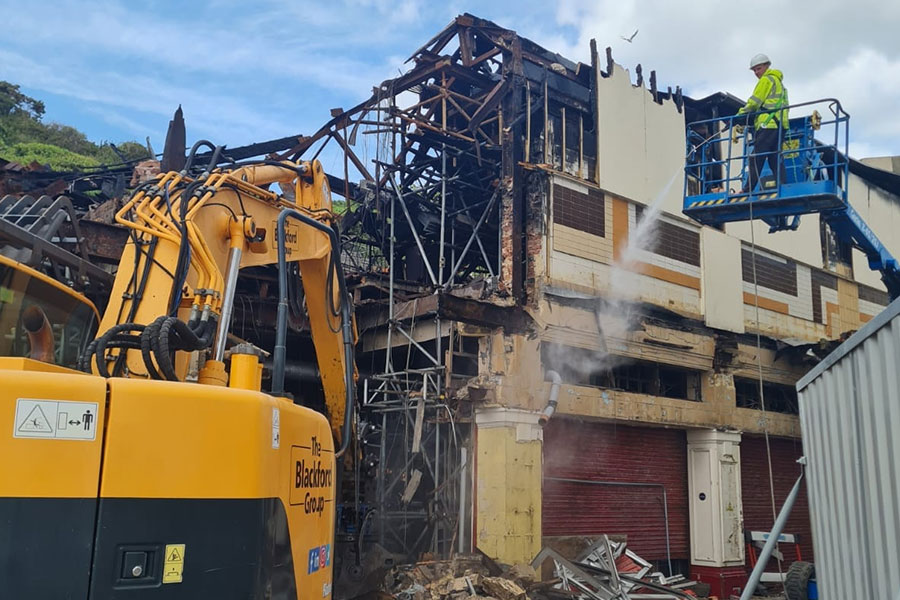
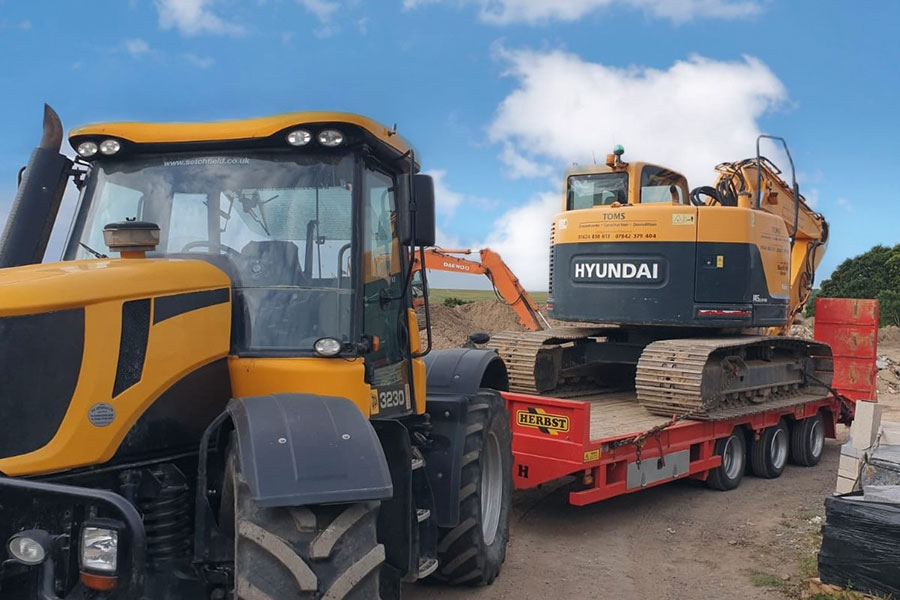
Large parts of the seafront, the Devonshire Park area, Meads and Old Town fall within conservation areas, and there are listed buildings scattered right through them. Taking anything down in those areas needs consent as well as notice, and often needs a method that protects a neighbouring facade rather than the quickest route to the ground. Terraced and semi-detached property means party walls almost everywhere, so temporary support, weathering and making good matter as much as the demolition itself. On industrial estates and older commercial plots we expect made ground, old slabs, buried fuel tanks and asbestos in anything built between the war years and the seventies, so surveys come first and remediation gets priced honestly.
Where we work
Areas We Cover Around Eastbourne
Old Town
The oldest part of Eastbourne, around the parish church, with flint and brick cottages and interwar housing behind. Work here stays small in scale: compact plant, hand digging near old flint walls and tight access off busy roads.
Meads
The Victorian suburb between the town and Beachy Head, with large detached houses, schools and hotels on chalk ground and steep, narrow roads. It suits extension and basement groundworks and careful strip out, but wagon movements need planning.
Hampden Park
A mix of interwar and post-war housing with its own station, a large park and some of the town's main industrial units. Access is better than most of Eastbourne, so it suits full demolition, slab breaking and hardstanding work.
Langney and Shinewater
Post-war estates on low ground east of the centre, with wide estate roads and a district shopping centre. The ground is soft with a high water table, so drainage, piling and ground stabilisation matter more here than they do uphill.
Sovereign Harbour
The marina development on reclaimed land at the eastern edge of town, with apartments, retail and moorings around the water. Made ground, tidal levels and shared private access mean any dig or demolition needs planning before plant arrives.
Willingdon
Village edge at the foot of the Downs on the A2270, with older cottages and generous post-war plots. Much of the work is extension groundworks, garage and outbuilding demolition, and new driveways and drainage.
Polegate
Just north of Eastbourne where the A22 meets the A27 at Cophall roundabout, with a station and a working high street. Commercial and light industrial as well as housing, and easy access for plant and tipper lorries.
Pevensey Bay and Westham
East along the A259, sitting on the Pevensey Levels behind a long maintained shingle sea defence. Flood risk, soft ground and narrow lanes shape almost every job here, and coastal protection work is common.
Stone Cross
A growing village between Eastbourne and Hailsham with a lot of newer housing built on former farmland. It suits site enabling, access road construction, drainage and muck away on plot developments.
East Dean and Friston
Downland villages west along the A259 towards the Seven Sisters, inside the South Downs National Park. Flint and brick property, tight lanes and extra planning care, so jobs get planned around smaller plant.
Who we work for
Clients We Look After in Eastbourne
Commercial and Town Centre
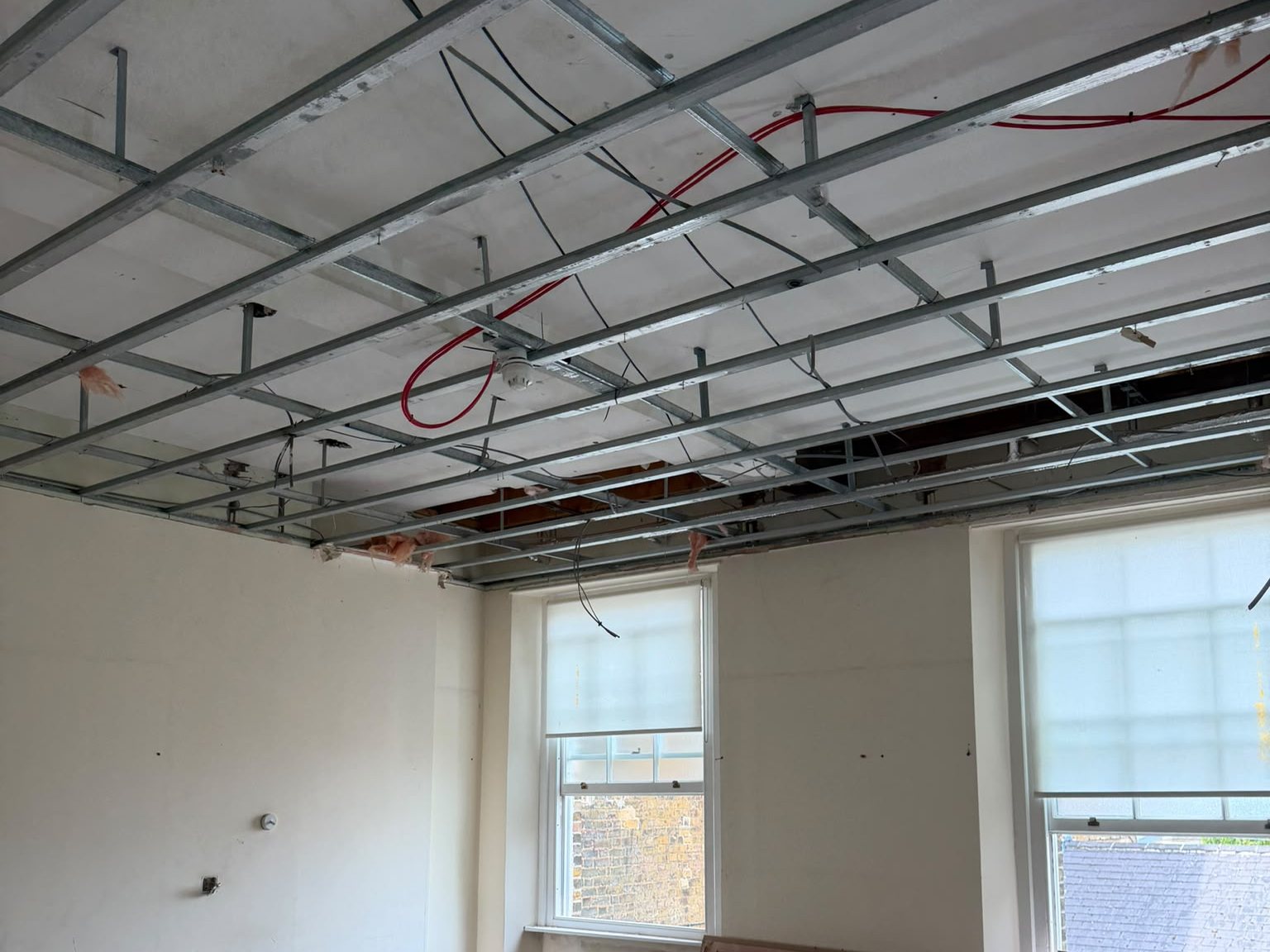
Shops, offices, hotels, pubs and care and education buildings around the town centre, the seafront and Terminus Road. We handle soft strip and full strip out where a building is being refitted, structural demolition where it is coming down, and the groundworks and slabs that follow. Most of this work happens with the public, neighbours and trading businesses close by, so scaffold, hoarding, dust and noise control and traffic management are planned in from the start rather than bolted on later.
Industrial Estates and Coastal Work
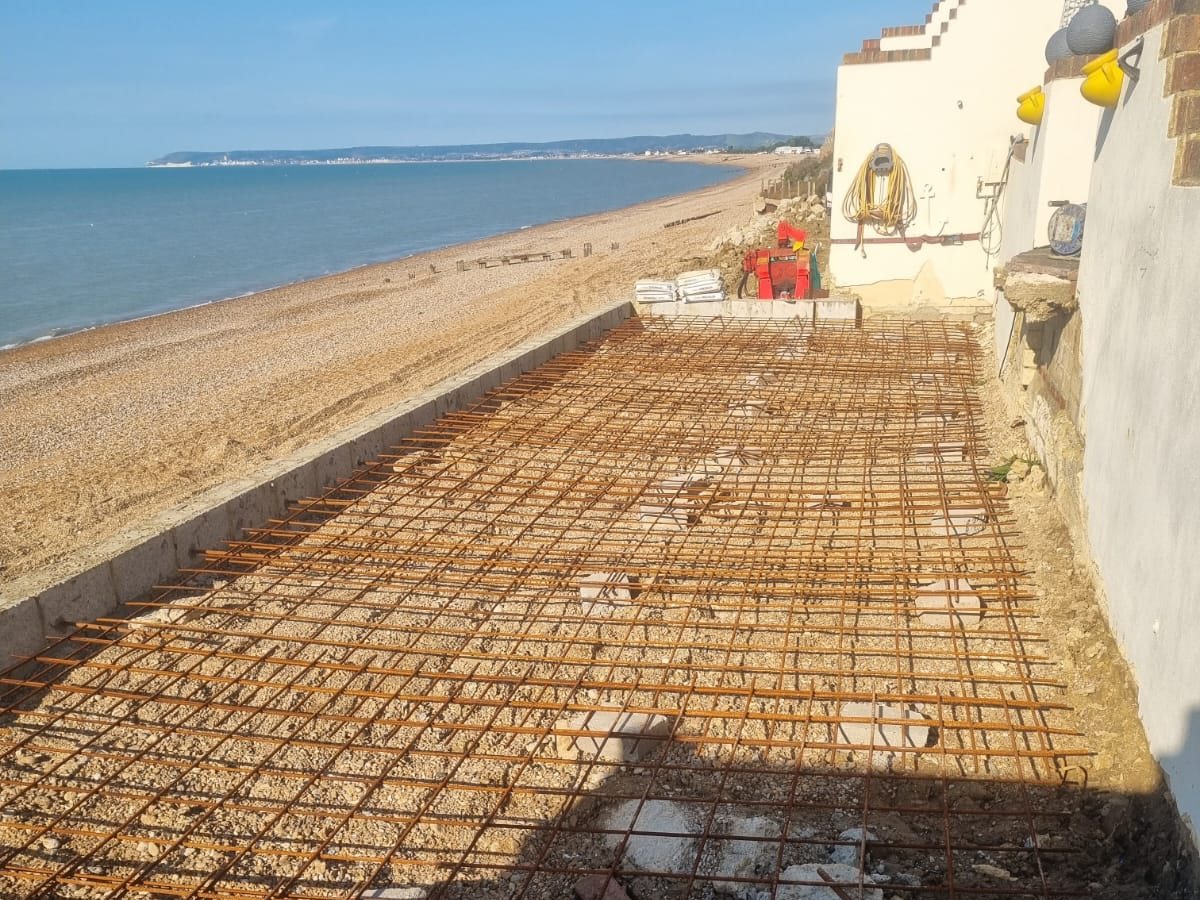
Warehouse and workshop units around Hampden Park and Lottbridge Drove, along with yards, hardstandings and older sheds that have reached the end of their life. We take structures down, break out slabs and foundations, crush and re-use material on site where it makes sense, and deal with contamination, tanks and asbestos found along the way. On the coast our sea defence and piling teams work on revetments, sheet piling, rock and shingle work and the protection this stretch of shoreline needs.
Residential and Housing
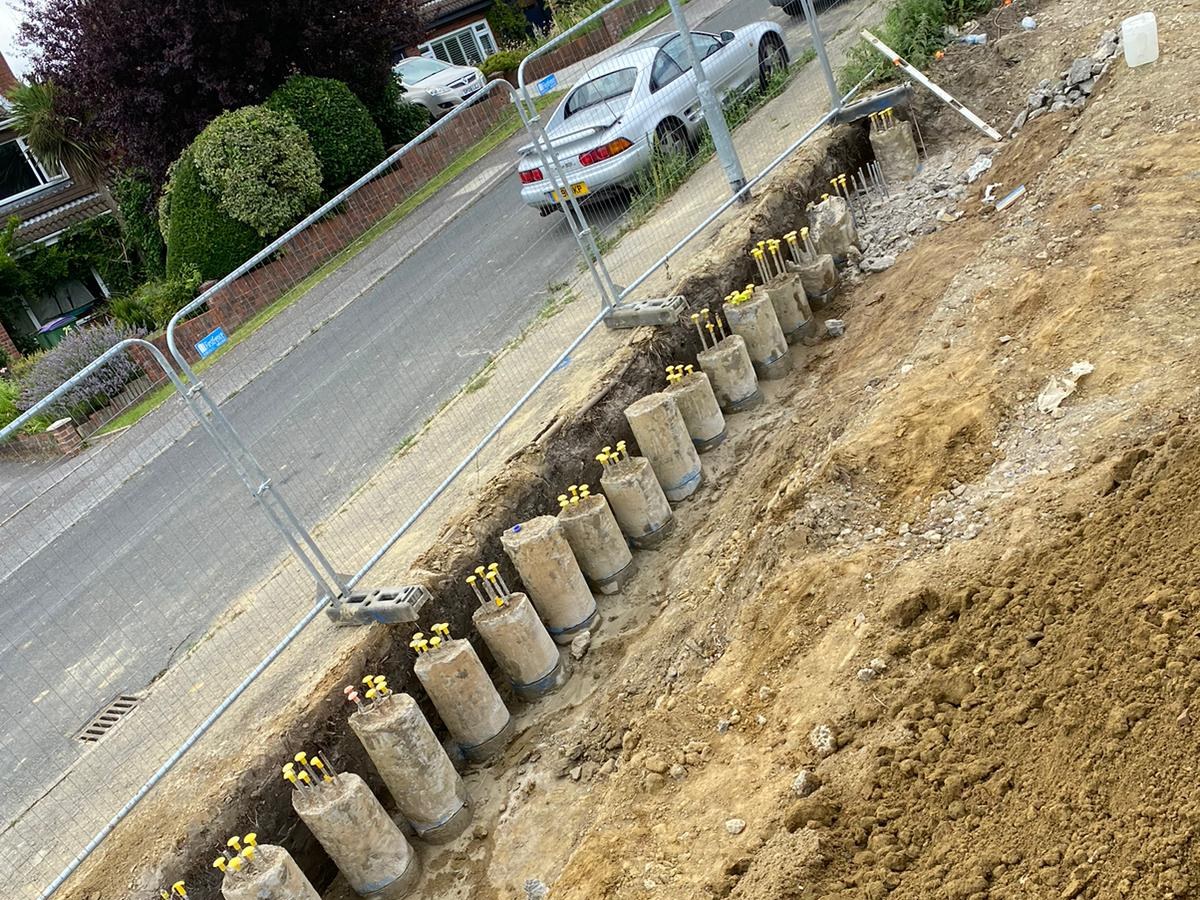
Everything from a single Victorian house coming down for a replacement dwelling, to garage and outbuilding demolition in Willingdon or Old Town, to full site clearance and enabling works for a housing scheme out towards Stone Cross. We do the dig, the drainage, the foundations, the underpinning where an older property has moved, and the muck away, then hand over a clean formation level ready for the builder to start.
FAQs
Eastbourne Questions
The things people in Eastbourne ask us most. If your question is not here, call 01424 830613 and we will answer it straight.
Do you cover Eastbourne?+
Yes. Our yard is at Upper Wilting Farm near St Leonards-on-Sea, so Eastbourne is a short run west along the coast on the A259, or in on the A27 and A22 through Polegate. We work nationwide, but this stretch of the East Sussex coast is on our doorstep and our plant and lorries are in and out of it regularly.
What permissions are needed before a demolition starts in Eastbourne?+
The council has to be given notice before a building is demolished, and Eastbourne Borough Council deals with that alongside planning and building control. If the building is listed, or sits in one of the conservation areas covering the seafront, Old Town or Meads, you will need consent as well as notice. Anything affecting the pavement or road, such as a hoarding, scaffold, skip or road closure, is licensed by East Sussex County Council as highway authority. We can handle the notices and licences as part of the job.
How do you deal with neighbours and party walls in the terraced streets?+
Most of central Eastbourne is terraced or semi-detached, so a party wall is usually involved. Notice under the Party Wall etc. Act 1996 is the owner's responsibility, normally through a surveyor, and we work to whatever the award says. On site that means temporary support where it is needed, protecting and weathering the exposed wall, keeping dust and noise down, and speaking to the people next door before the noisy days rather than after them.
What happens if asbestos is found?+
Anything built or refitted before the year 2000 gets a refurbishment and demolition survey before we start, and in Eastbourne's post-war housing and older industrial units we expect to find something. Licensed work is carried out by a licensed contractor under controlled conditions and notified to the Health and Safety Executive, other material is removed and disposed of properly, and everything is documented. We do not work around asbestos and we do not price a job as though it is not there.
Where does the muck and demolition waste go?+
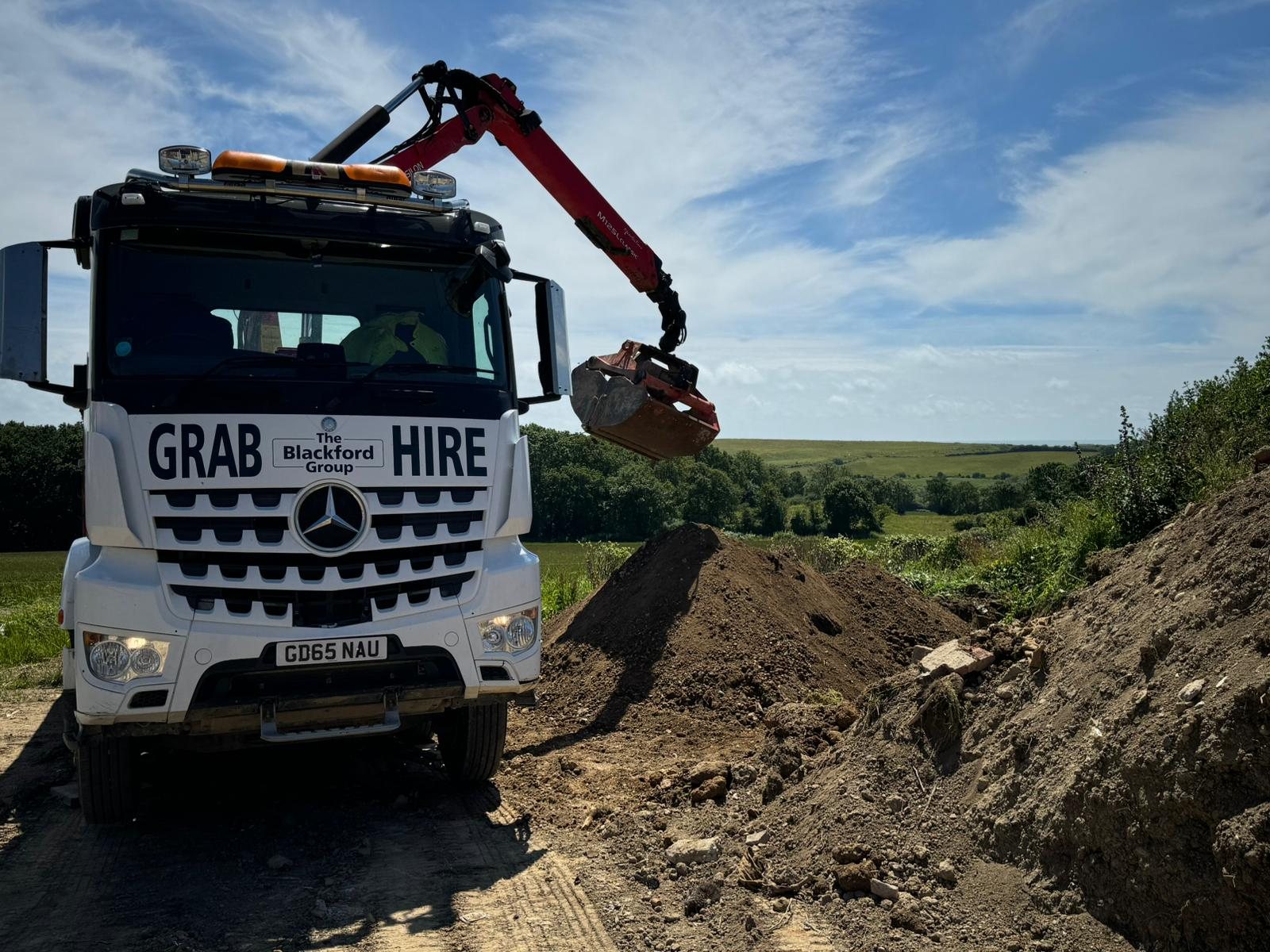
Our own haulage and muck away division moves it, using registered carriers and permitted facilities, with waste transfer or consignment notes for every load so your paperwork stands up. Where the site allows, we crush concrete, brick and hardcore on site and re-use it as fill or as a piling mat, which cuts lorry movements through the town and reduces what you pay to tip. Contaminated material from former industrial ground is segregated, tested and taken to the right class of site.
Can you get plant into a narrow street or a site with no side access?+
Usually, yes. We size the machines to the site rather than the other way round, so a job off Seaside or up in Meads might be done with compact excavators, remote demolition plant, chutes or conveyors and muck loaded from a single controlled point. Where there is genuinely no route through, we look at craning plant in, taking part of the building down by hand first, or working from the neighbouring plot with permission. We will tell you at the site visit what will fit and what it means for the programme.
Recent Work
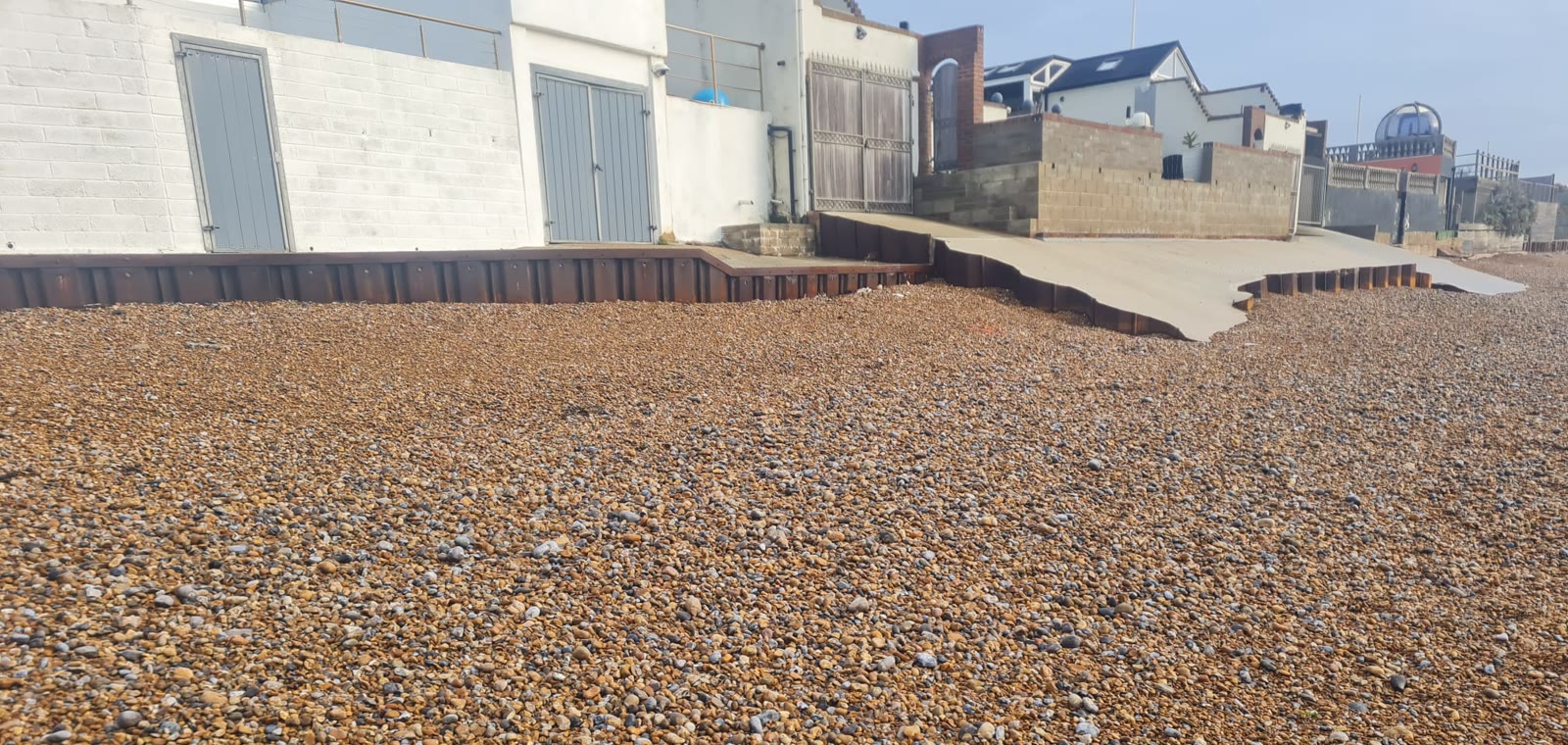
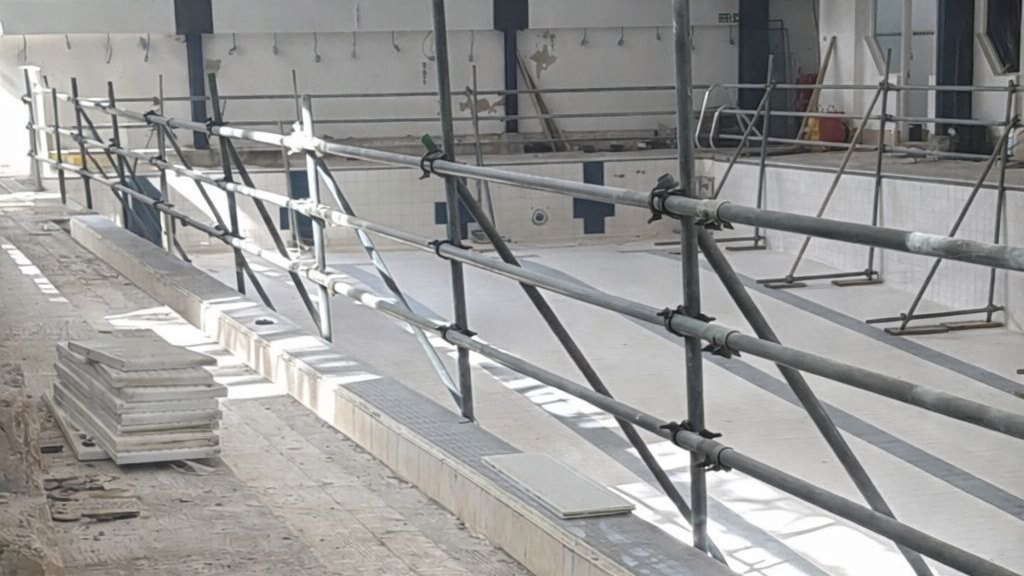
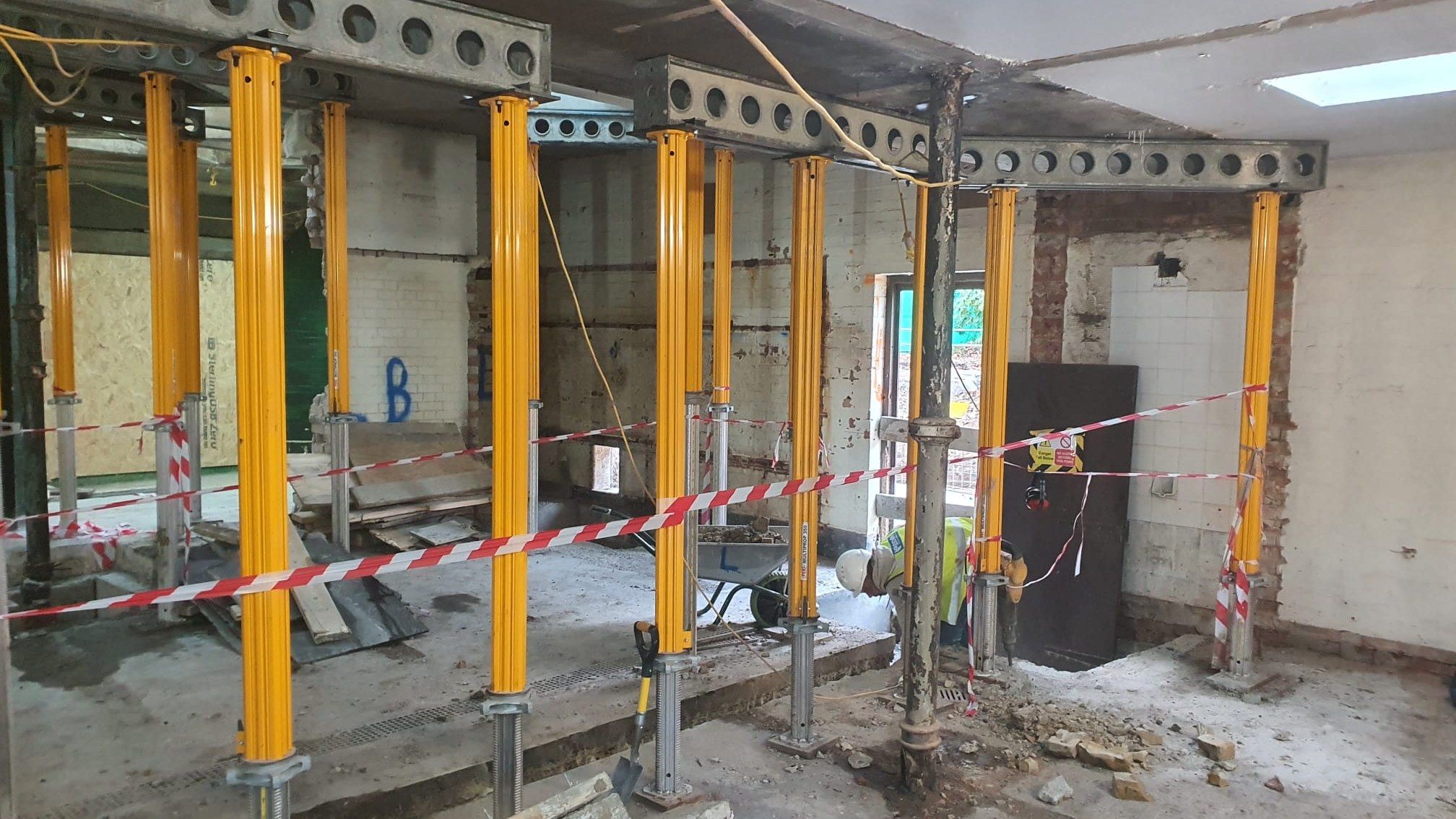
If you have something coming up in Eastbourne, whether that is a single house coming down in Old Town, a strip out on the seafront, a unit to clear on an industrial estate or full enabling works on the lower ground to the east, call the yard on 01424 830613 or send over what you have. Drawings, a survey, or simply an address and a rough idea of what you want to do is enough for us to come and look, tell you what the ground is likely to do and put a proper price together. We would rather walk the site with you than guess at it from a desk.
Planning Work in Eastbourne?
Tell us what you need moving, clearing or building and we will come back with a straight answer and a fair price.