
Brighton & Hove, East Sussex
Demolition and Groundworks in Brighton & Hove
Demolition, groundworks and site clearance across Brighton & Hove. Own plant, own tippers, every stage in-house. Call The Blackford Group on 01424 830613.
Working in Brighton & Hove
Demolition & Groundworks in Brighton & Hove
Brighton & Hove sits where the South Downs meet the sea, so nearly every site in the city is either on a slope, hemmed in by neighbours, or a few streets from the water. The A23 drops down from the north past Patcham, the A27 runs along the top of the city towards Lewes one way and Shoreham the other, and the A259 carries everything along the seafront. Our yard at Upper Wilting Farm, St Leonards-on-Sea is about 35 miles east along that coast, which is a straightforward run for plant, tippers and crews.
The housing stock is unusually mixed for one city, and that changes how a job is priced and planned. Regency and early Victorian terraces line the seafront and the squares at Brunswick, Regency Square and Kemp Town, much of it built with flint, lime mortar and bungaroosh, the local wall of lime mortar packed with flint, brick and pebble that behaves nothing like modern brickwork once you start opening it up. Behind the front sit dense Victorian terraces in Hanover, Preston Park and the Lewes Road valley, then interwar and post-war estates at Moulsecoomb, Whitehawk, Hangleton and Woodingdean, with newer flats filling in wherever a plot has come free.
Commercial and industrial property is concentrated rather than spread about. Portslade and the land around Shoreham Port hold most of the heavier industry and the yards that go with it, and Hollingbury has the older trading estates on the northern edge of the city. The centre is offices, hotels, pubs, shops and student accommodation, all of which get stripped out and refitted on a regular cycle. Redevelopment in Brighton & Hove almost always happens on land that has already been built on, from the London Road and New England area to the Lewes Road corridor, Brighton Marina and Black Rock, and infill plots right across Hove.
Brighton & Hove City Council is the unitary authority, so planning, building control, highways and licensing all sit with the same organisation. That matters on site, because a city job usually needs a hoarding licence, a skip or scaffold permit and suspended parking bays agreed before a machine turns a wheel. Add conservation areas and listed buildings across much of the older city, neighbours on both sides of most party walls, and chalk under nearly all of it, and demolition and groundworks here is as much about sequencing the work as it is about the machine doing it.
Our services
What We Deliver in Brighton & Hove
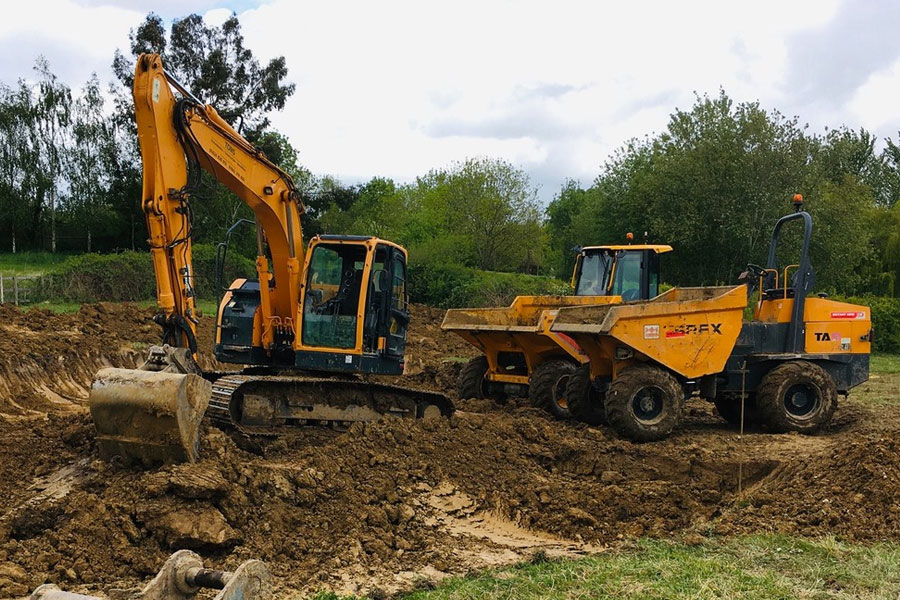
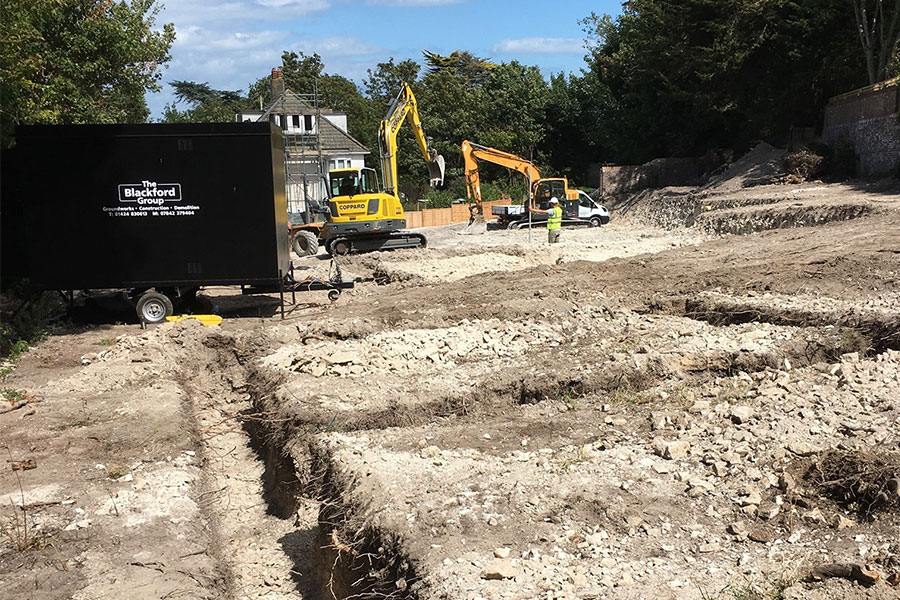
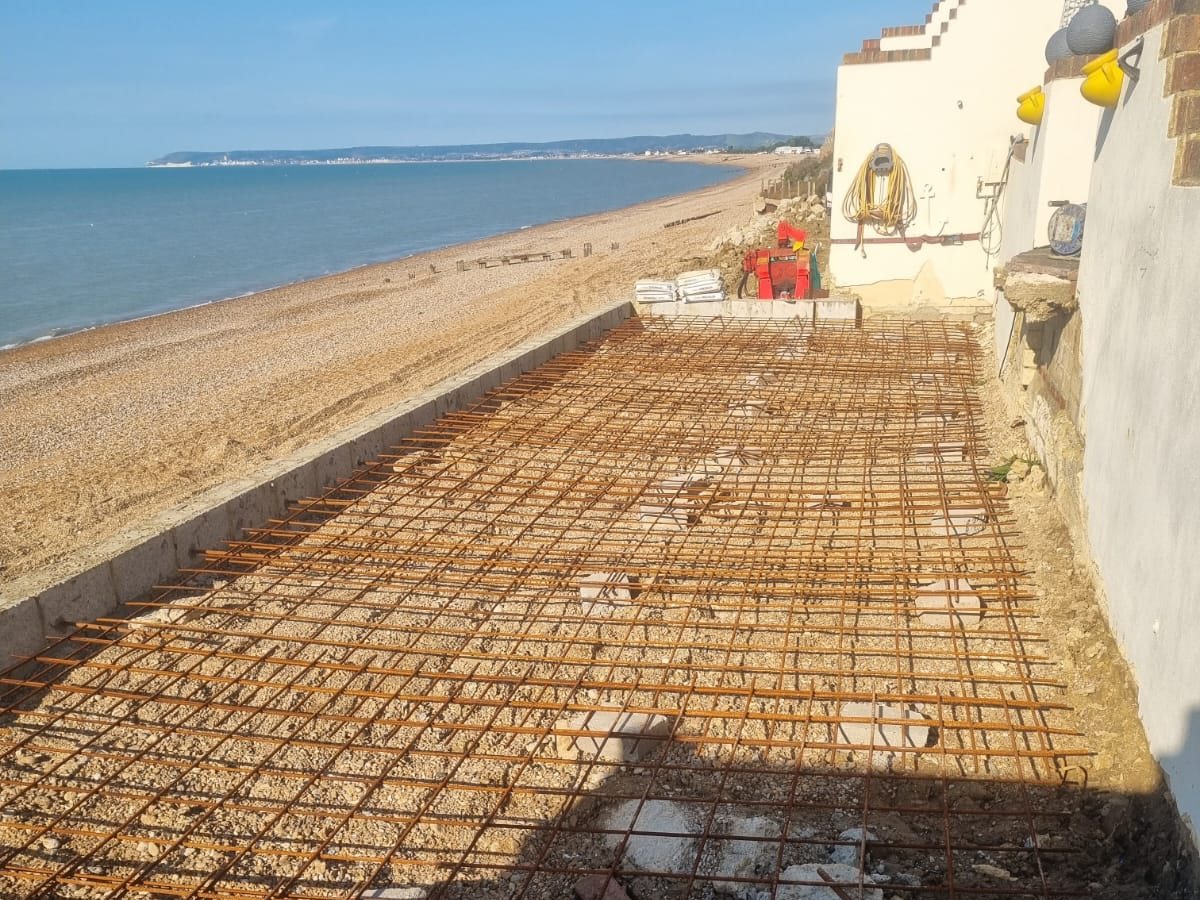
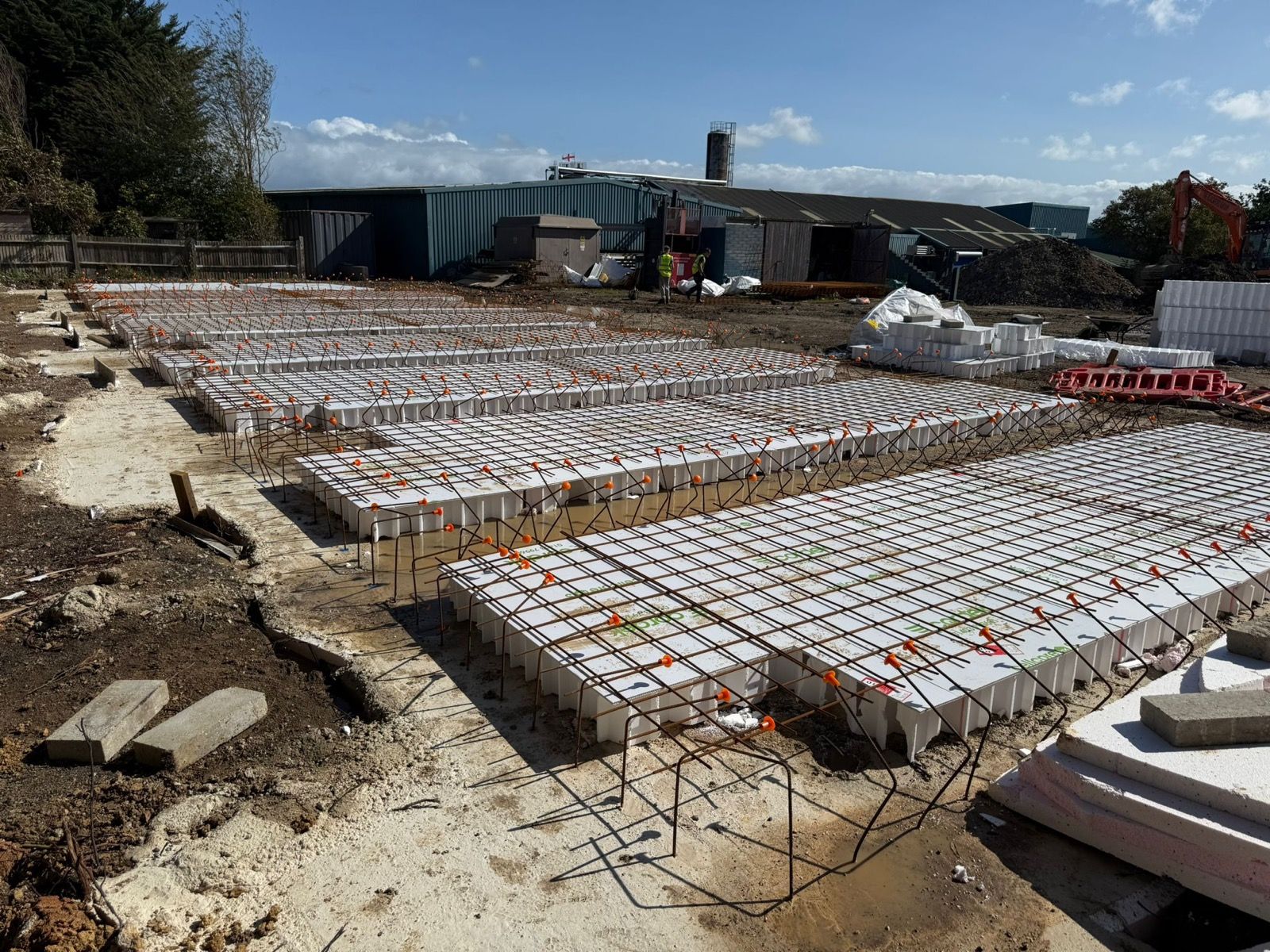
Our eight divisions are Demolition, Strip Out, Groundworks, Site Enabling and Remediation, Haulage and Muck Away, Sea Defence, Piling and Underpinning. On a Brighton & Hove project that means one company takes the building down, deals with what is underneath it, moves the spoil off site in our own tippers, and puts in the foundations and drainage for whatever comes next. Nothing sits waiting on another firm's machine or lorry to turn up, and the same people stay responsible from the first day of the strip out to the last load away. We run our own plant and fleet and manage every stage in-house.
On the ground
What Brighton & Hove Sites Actually Need.
Chalk, Coombe Deposits and Old Flint Walls
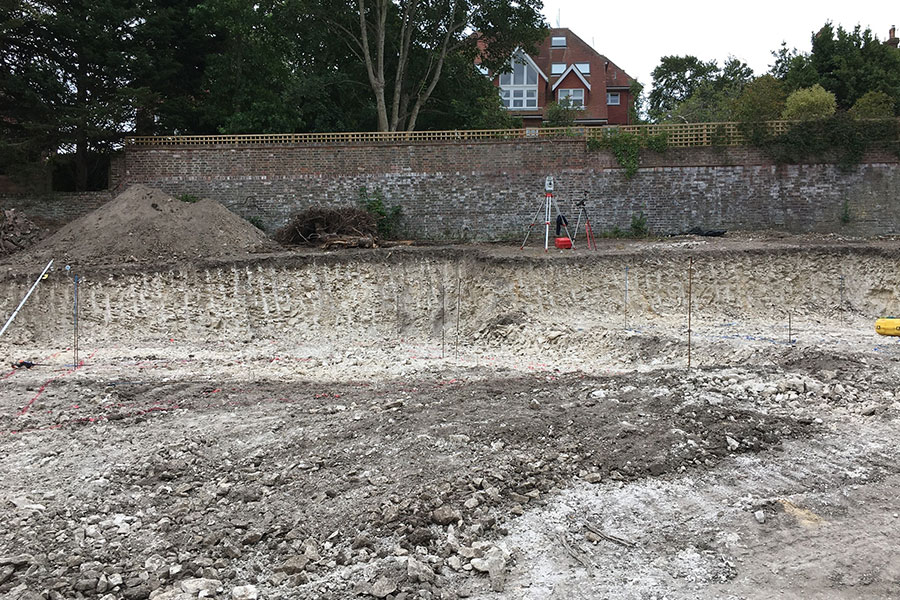
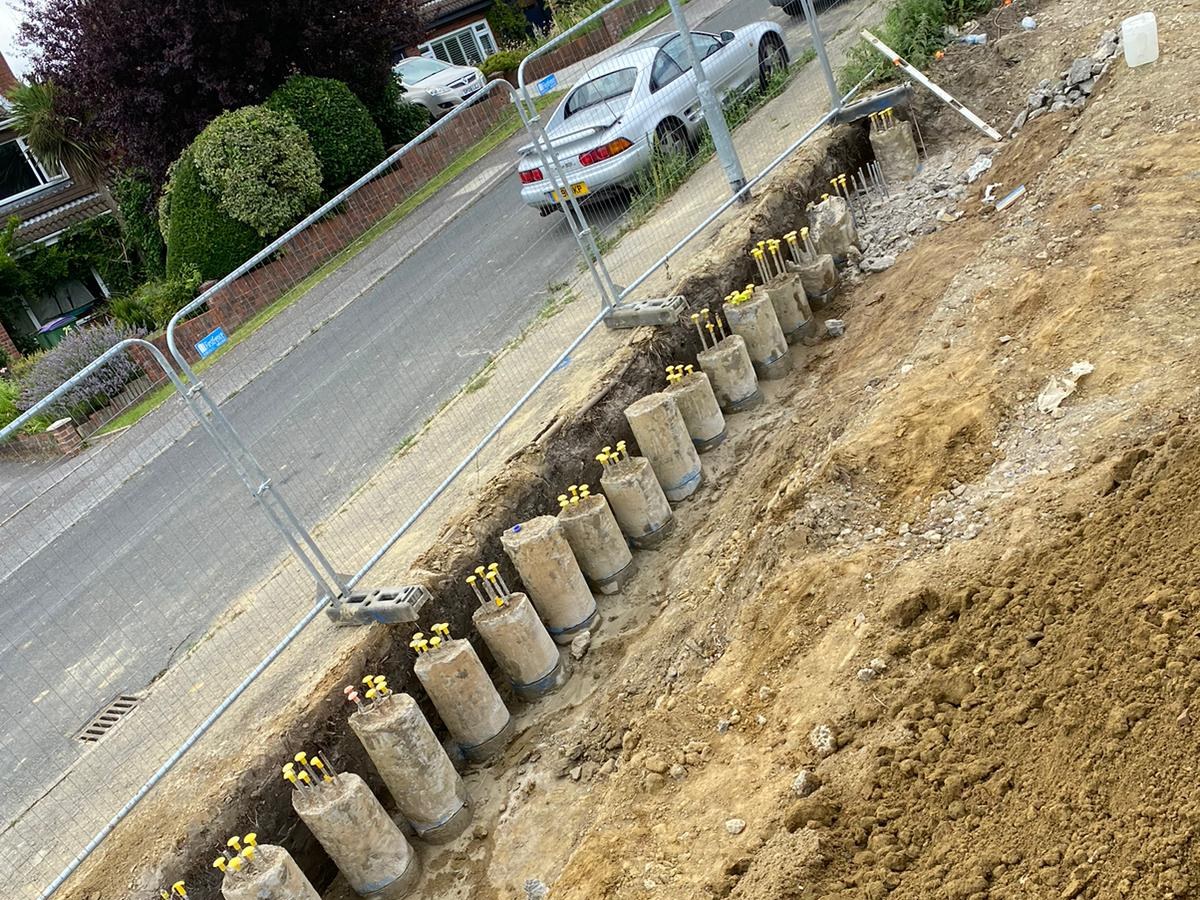
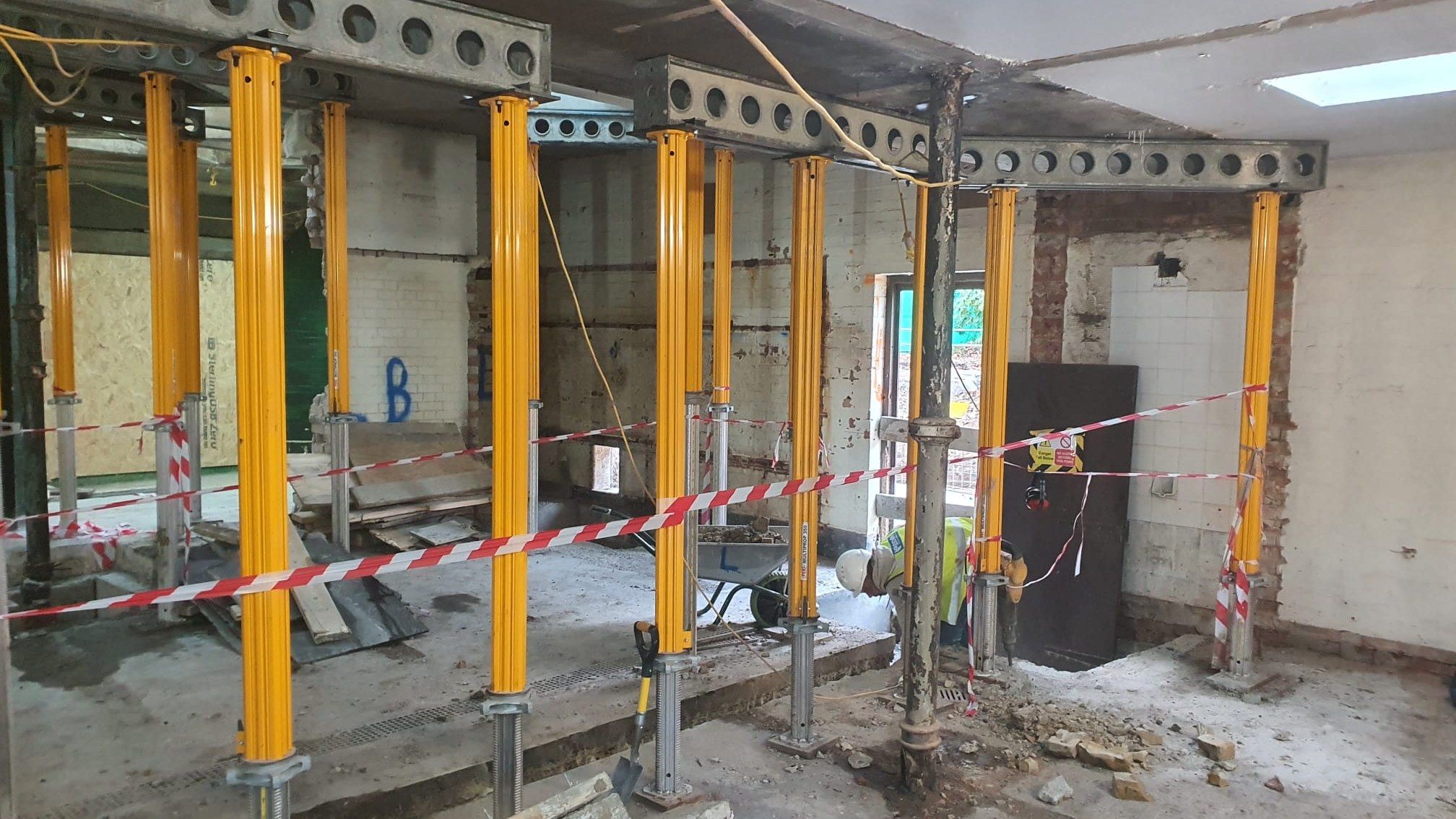
Most of the city sits on chalk, which usually gives a decent bearing but is not uniform. The dry valleys, including the London Road and Lewes Road corridors, are filled with head and coombe deposits, and the chalk itself can hide flint bands, old workings and solution features that only show up once you dig. Older buildings bring their own problem, because flint, lime mortar and bungaroosh walls lose strength when they get wet and do not come down predictably. Propping, needling and underpinning are designed before anything is opened up, not after.
Getting Plant Onto Brighton Streets
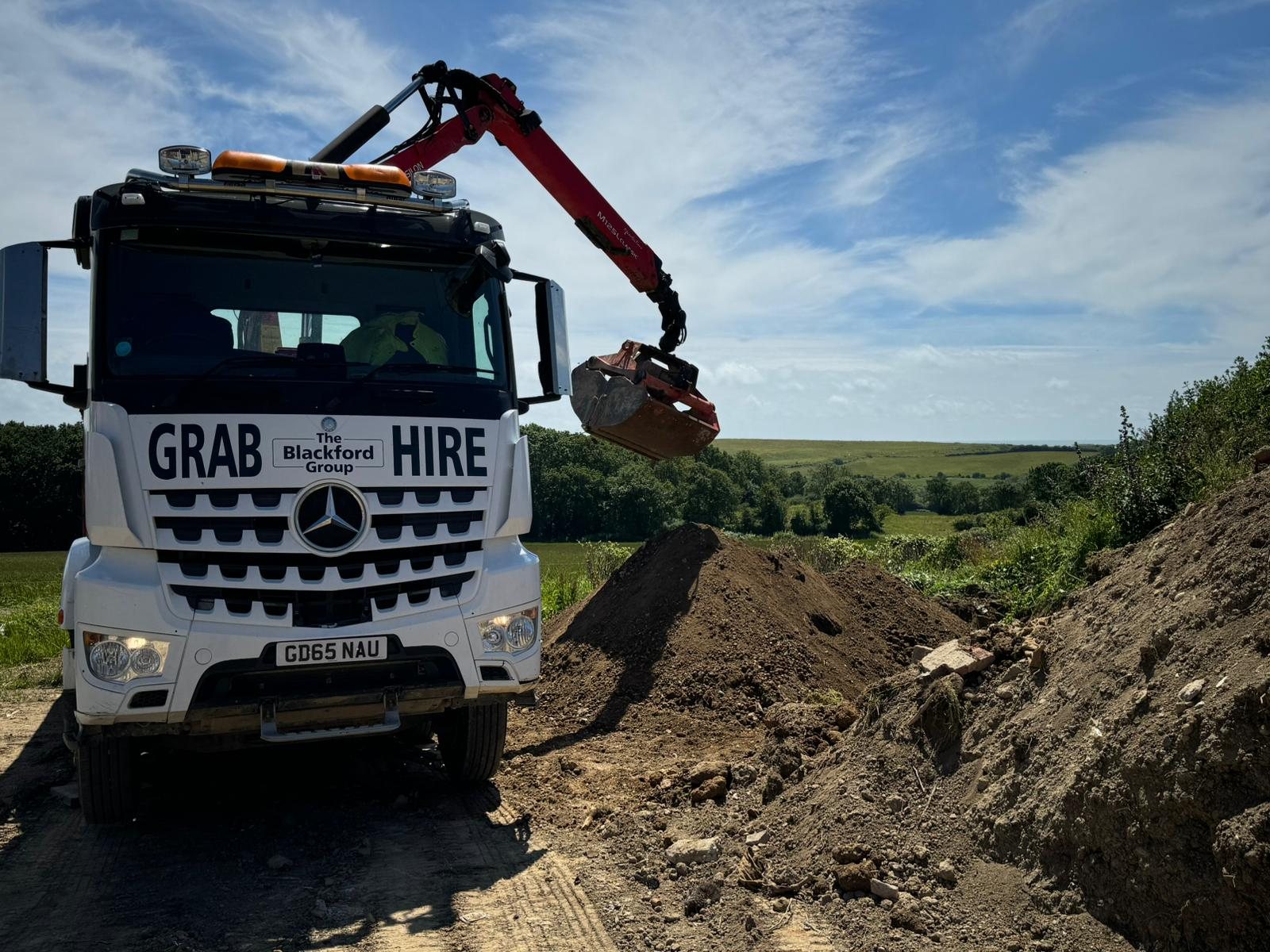
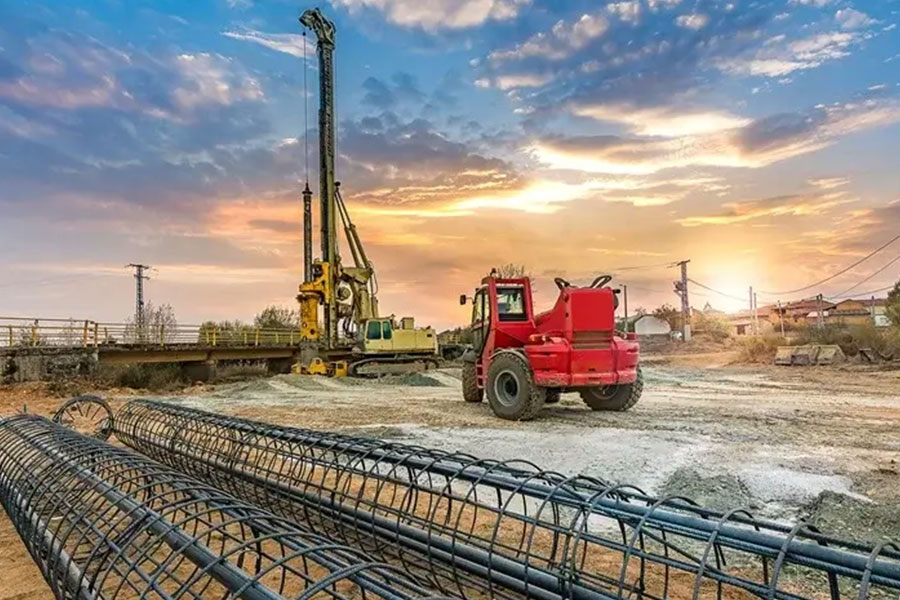
Hillside terraces, narrow one way streets, bus lanes on the main corridors and controlled parking across most of the city mean access is the first thing we plan. We size machines to the gate and the street rather than to the job sheet, and use grab lorries or smaller tracked plant where an eight wheeler cannot turn round. Bay suspensions, hoarding licences and timed muck away runs are arranged with Brighton & Hove City Council in advance, and seafront events with their road closures are built into the programme rather than argued with on the day.
Water, Waste and Former Industrial Land
Brighton takes water from the chalk aquifer underneath it, so groundwater protection shapes what can be piled, dug or left in the ground on a lot of sites. River flooding is not the issue here, but surface water runs hard down the valleys after heavy rain, and the seafront, the Marina and the port area sit on low ground beside the sea. Former gasworks land, depots, yards and railway land, particularly towards Portslade and the port, often carry made ground and contamination. That needs investigating before the programme is set, and handling properly under site enabling and remediation.
Where we work
Areas We Cover Around Brighton & Hove
Hove
Regency squares near the seafront and Victorian and Edwardian streets behind them. Most work here is strip out, careful demolition behind a frontage that has to stay, and groundworks on tight rear plots reached through a side return.
Kemp Town
Grand Regency terraces on the seafront, steep side streets and a lot of large houses split into flats. Underpinning, basement work and small scale demolition with heavy protection for the neighbours are the usual jobs.
Portslade
The industrial end of the city, with older units, yards and land around Shoreham Port. Suits full demolition, breaking out slabs and hardstanding, remediation and bulk muck away in our own tippers.
Patcham
Sits at the top of the city where the A23 meets the A27, on chalk and close to the Downs. Mostly interwar and post-war housing, so the work is extensions, garages, foundations and drainage runs.
Moulsecoomb
The Lewes Road corridor here mixes estate housing, university buildings and land that has been redeveloped in phases. Access is better than the centre, so larger plant and full size tippers can usually get on.
Hollingbury
Trading estates and light industrial sheds on the northern edge of the city, with room to work in. Suits industrial demolition, breaking out slabs and bases, and new drainage and hardstanding.
Preston Park
Victorian terraces and villas on both sides of the Preston Road and London Road valley. Rear extensions, cellar and basement work, and demolition where the only way in is a narrow side return.
Rottingdean
Village on the coast road east of the city, with a conservation area and older flint buildings. Work here needs a light touch, careful protection of what stays and a plan for working beside the A259.
Saltdean
Interwar and post-war housing on the cliff top further east along the A259. Plot clearance, foundations, retaining structures and drainage on sloping ground are the common jobs.
Hangleton
Interwar and post-war housing on the higher ground north of Hove, with wider streets and easier access. Suits site enabling, foundations, drainage and muck away.
Who we work for
Clients We Look After in Brighton & Hove
Commercial and City Centre
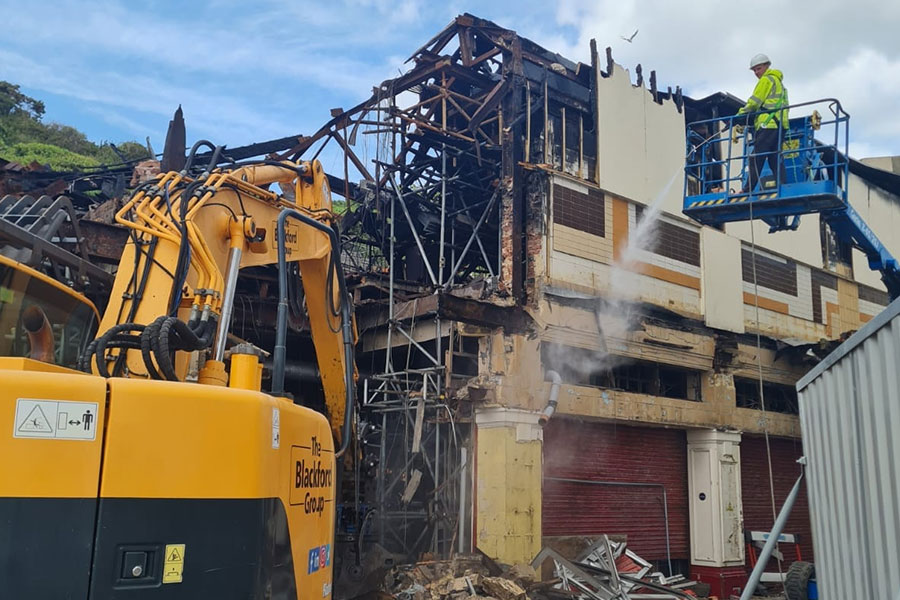
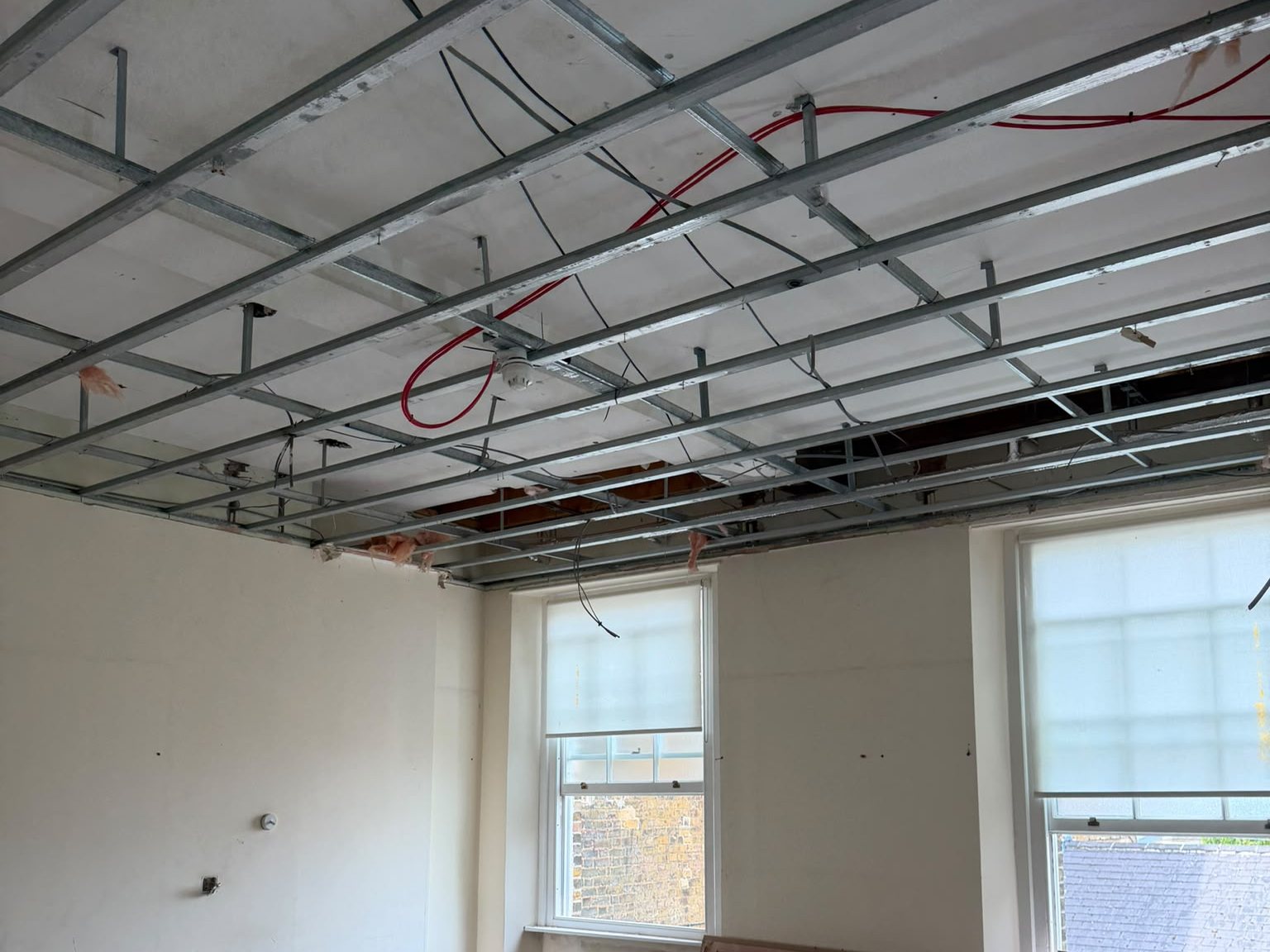
Offices, hotels, pubs, shops and student blocks across the city get stripped out and reworked on a regular cycle. We take buildings back to frame or shell, take out floors, ceilings, services and internal walls, and carry out structural demolition where a frontage or a party wall has to stay. The work is sequenced around trading neighbours, protected surfaces and agreed hours, then followed through with foundations, drainage and slabs for whatever replaces it.
Industrial and Port Side
Around Portslade, Shoreham Port and the Hollingbury estates the work is heavier and there is usually more room to move. That means full demolition of sheds and framed units, breaking out slabs, bases, tanks and old hardstanding, dealing with ground that has taken decades of industrial use, then rebuilding levels, drainage and new surfacing. Our own tippers and grabs keep the muck moving instead of waiting on a haulier.
Residential and Housing
This covers a single house at the top of Hanover through to a whole plot in Hove. We clear plots, take down garages, outbuildings and unsafe structures, underpin terraced and semi detached properties, dig and pour foundations, form basements, and lay drainage and services. On terraces we plan around the neighbours first, because in most of Brighton the wall you are working on belongs to two people.
FAQs
Brighton & Hove Questions
The things people in Brighton & Hove ask us most. If your question is not here, call 01424 830613 and we will answer it straight.
Do you actually cover Brighton & Hove, or only the Hastings area?+
We work nationwide, and Brighton & Hove is a straightforward run for us, roughly 35 miles west of our yard at St Leonards-on-Sea. Plant, tippers and crews travel from that yard, so getting started does not depend on hired machines or a third party haulier. We do not have a depot in the city, and on this stretch of coast that makes no difference to how quickly we can be on site.
Who deals with permits, licences and Brighton & Hove City Council?+
We handle the site side of it. Hoardings, skip and scaffold permits, footway closures and suspended parking bays all go through Brighton & Hove City Council, and we get those in place before we mobilise. Planning consent and building control for the scheme itself normally stay with you or your designer, and we work to what has been approved.
My house is in a terrace. What happens with the neighbours and the party wall?+
In a lot of Brighton and Hove you are working on a wall that is shared, so the Party Wall etc. Act 1996 applies and notices have to be served on the adjoining owners before work starts. We plan the sequence around whatever the party wall surveyor sets out, prop and support as required, and keep neighbours told about noisy operations and lorry movements.
What if there is asbestos in the building?+
Anything built or refurbished before 2000 is treated as suspect until it has been surveyed. A refurbishment and demolition survey comes first, and licensed material is removed and cleared by a licensed asbestos contractor before we break into the structure. The demolition programme is planned around that clearance rather than running alongside it.
Where does the spoil and demolition waste go?+
We move it ourselves through our Haulage and Muck Away division, so the dig is not held up waiting for lorries. Loads leave with the right paperwork and go to permitted facilities, with material segregated for recycling where that is practical. On city sites we usually time runs to keep clear of the worst of the traffic on the seafront and the main corridors.
Can you get plant onto a narrow street or a steep hillside site?+
Usually yes, but the answer comes from a site visit rather than a map. We look at gate width, turning space, gradient, overhead cables and what the street surface will take, then pick machines to suit, including smaller tracked plant and grab lorries where an eight wheeler cannot get in or turn round safely.
Recent Work
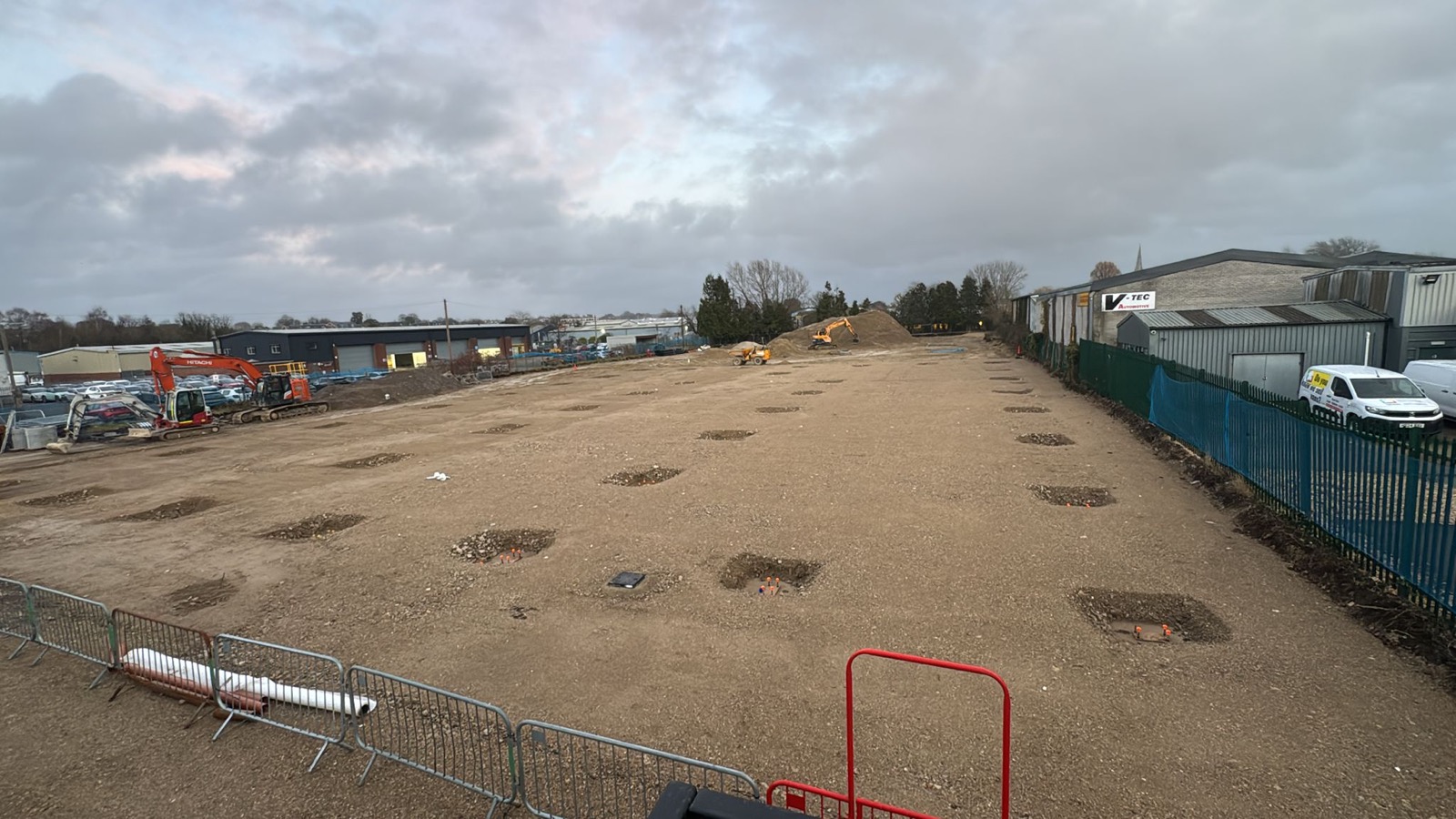
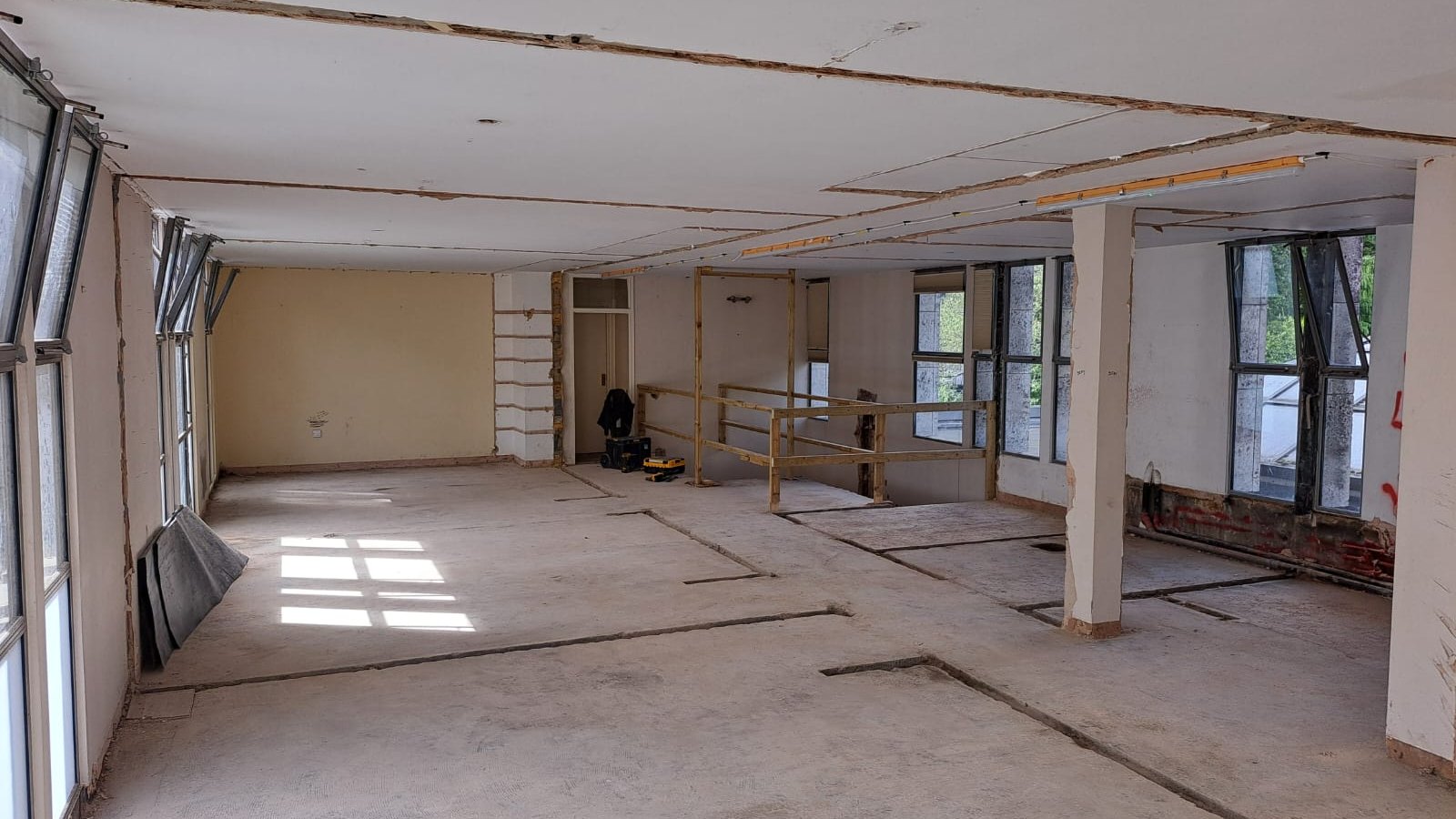
If you have a project in Brighton & Hove, from a strip out in the city centre to a full demolition and dig on the Portslade side, we are happy to come and look at it before anyone commits to anything. Bring us in early and we will tell you what the access, the ground and the neighbours are likely to mean for the programme, instead of you finding that out halfway through. Call The Blackford Group on 01424 830613, or send over your drawings and the site address and we will come back to you.
Planning Work in Brighton & Hove?
Tell us what you need moving, clearing or building and we will come back with a straight answer and a fair price.