
Birmingham, West Midlands
Demolition and Groundworks in Birmingham
Demolition, groundworks and muck away across Birmingham and the West Midlands. Own plant, own fleet, every stage in-house. Call 01424 830613.
Working in Birmingham
Demolition & Groundworks in Birmingham
Birmingham is the largest city in the country after London, and it behaves like it. The motorway network wraps right around it, with the M6 running across the north through Spaghetti Junction at Gravelly Hill, the M5 dropping away to the west and the M42 curving round the south and east. Inside that, the A38 and the Aston Expressway drive straight into the middle, the A45 Coventry Road runs out towards the airport and the A4540 Middleway pens in the city centre. For anyone bringing plant and tippers in, that road network is the good news. The streets inside it are another matter, because most of them were laid out long before eight wheelers existed.
The building stock is layered, and every layer behaves differently once you start taking something down or digging next to it. Rows of Victorian and Edwardian terraces still fill Small Heath, Sparkbrook, Balsall Heath, Handsworth and Aston, mostly brick with slate roofs, shallow foundations, cellars in places and a shared party wall on each side. Around them sit the interwar semis of Hall Green, Kingstanding and Weoley Castle, then the postwar blocks and estates that went up when the city cleared its back-to-backs. Edgbaston and Moseley keep their large villas, and Sutton Coldfield has bigger detached houses on mature plots.
Then there is the industry, because Birmingham made things for a very long time and the evidence is still in the ground. Old factory floors, workshop yards, foundry bases, metal finishing and plating shops, gas works land and railway sidings run through Digbeth, Nechells, Witton, Tyseley, Bordesley and along the canal corridors. Much of it has been cleared and rebuilt more than once, so a plot that looks like a flat car park can have slabs, bases, tanks, fuel lines and deep made ground under the surface. Demolition and groundworks here is as much about what you find as what you knock down.
Development is busy and it is concentrated. Digbeth and Eastside are being rebuilt around the HS2 works at Curzon Street, Smithfield is a major city centre scheme on the old markets land, Perry Barr changed shape around Alexander Stadium, Ladywood and Icknield Port Loop are under regeneration, Selly Oak keeps growing on the back of the hospital and the university, and Longbridge is still filling in on the old car plant site. Birmingham City Council is the authority for nearly all of it, so demolition notices, highway licences, skip and hoarding permits and road closures go through them. The Blackford Group works nationwide from its yard at Upper Wilting Farm in St Leonards-on-Sea, taking plant and fleet up the A21, round the M25 and north on the M40 and M42. It is roughly two hundred miles and it is a run the fleet knows.
Our services
What We Deliver in Birmingham
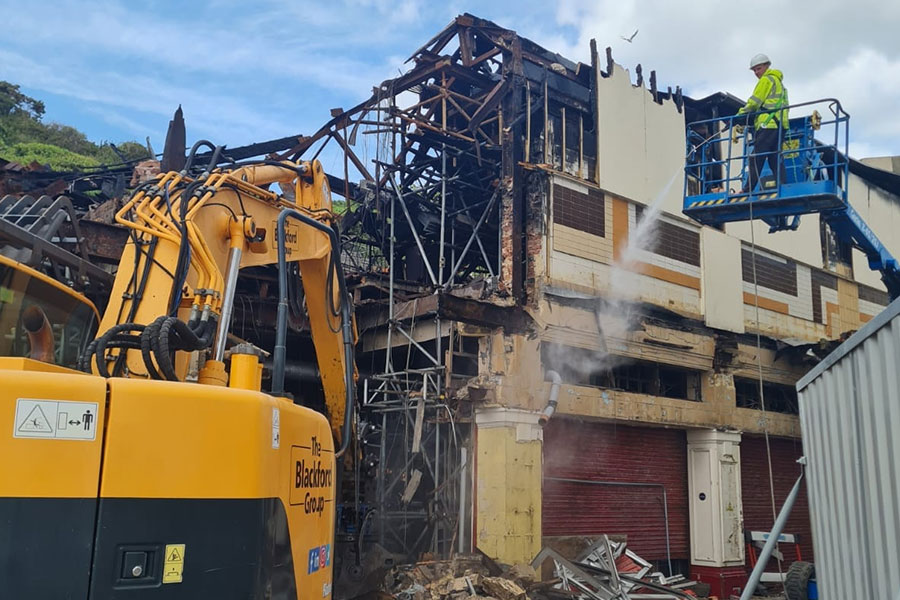
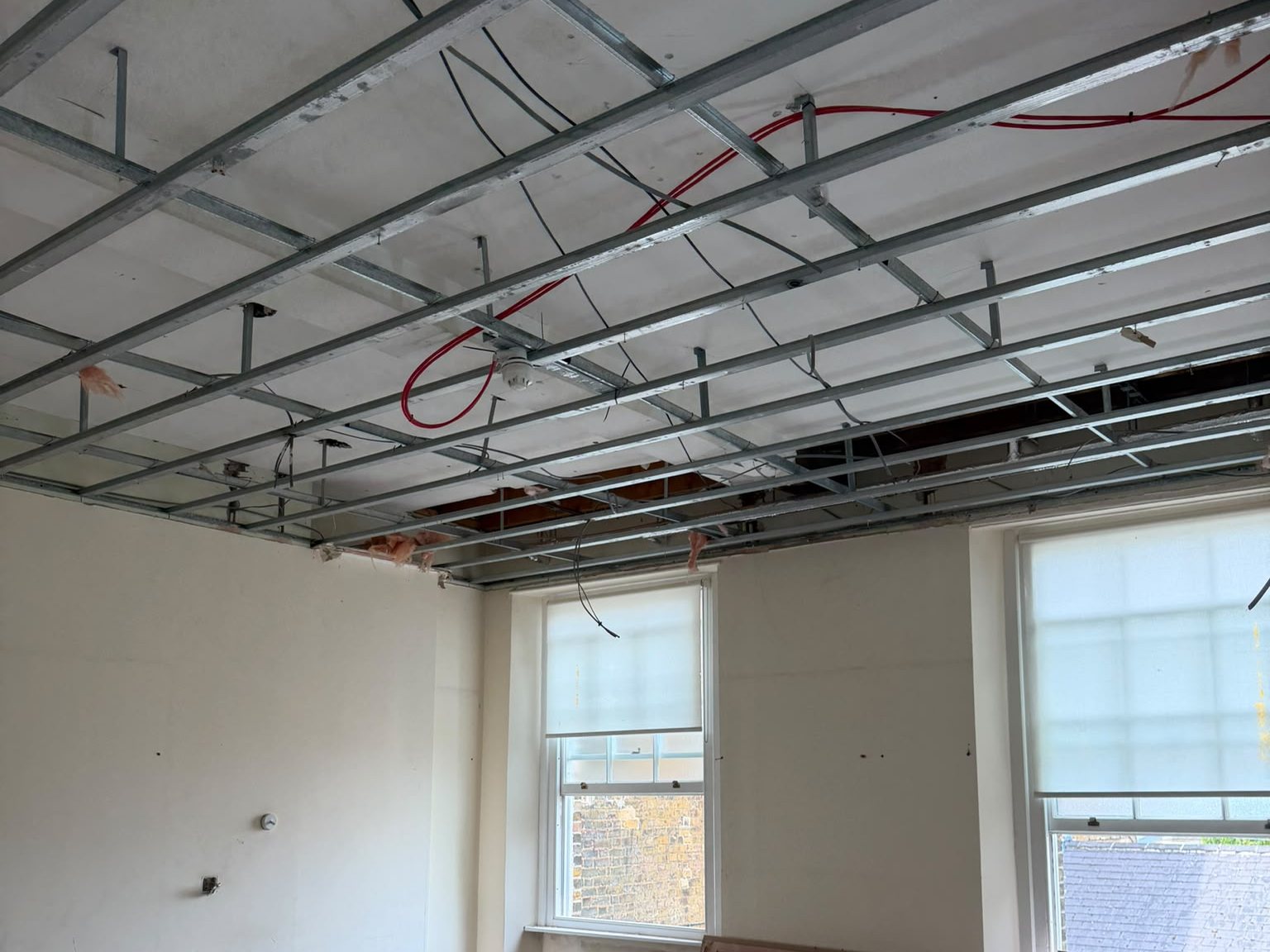
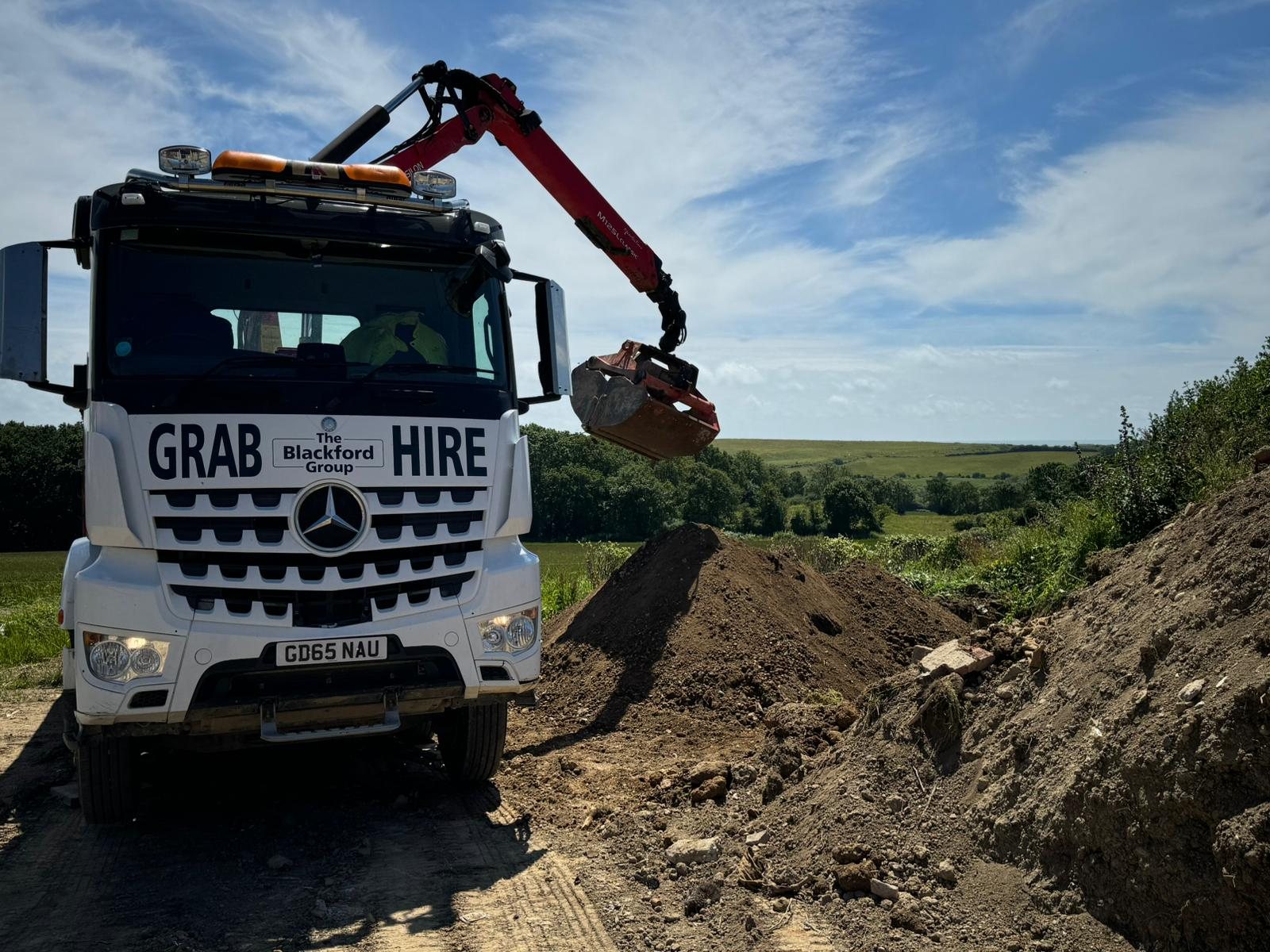
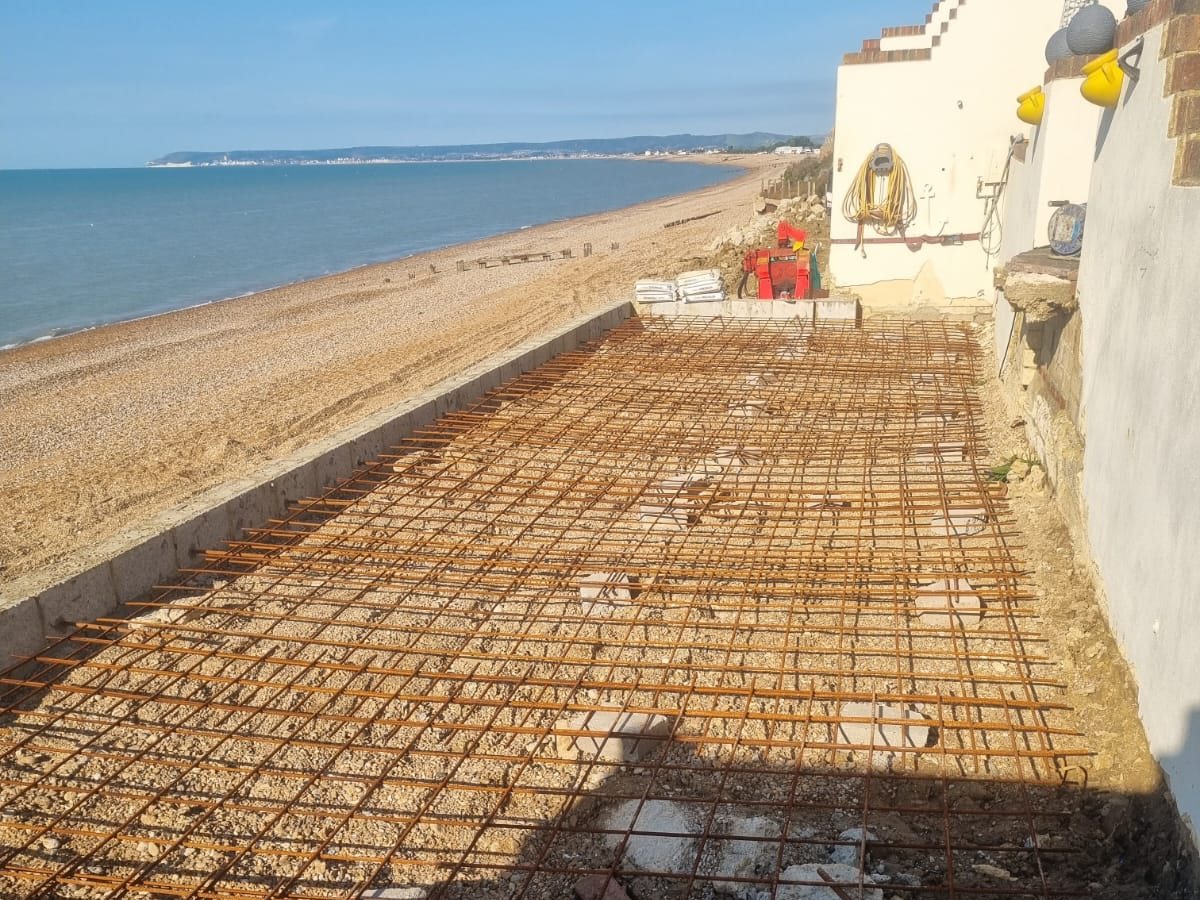
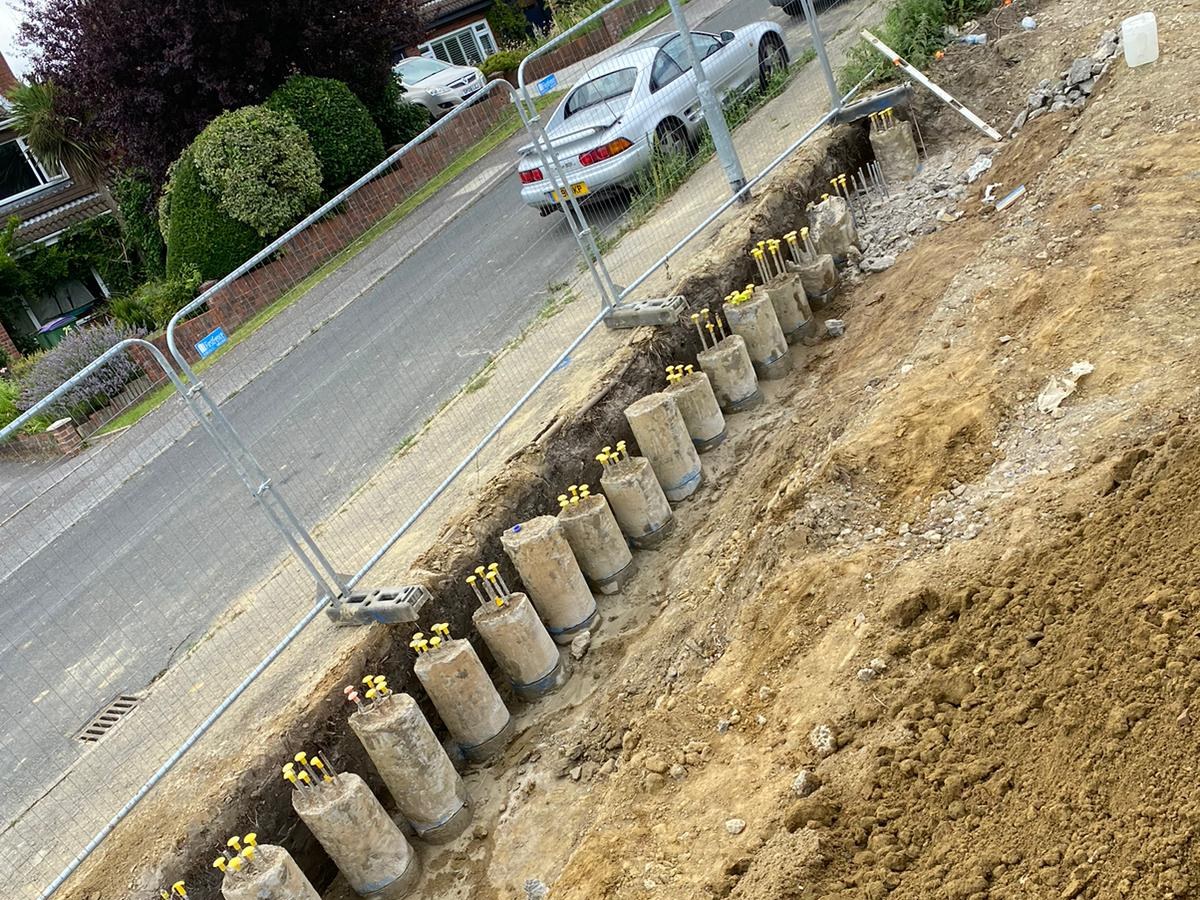
The Blackford Group runs eight divisions: Demolition, Strip Out, Groundworks, Site Enabling and Remediation, Haulage and Muck Away, Sea Defence, Piling and Underpinning. Sea Defence is coastal work and will not come up on a Birmingham site, but everything else will, often on the same job. Having all of it under one roof, with our own plant and our own fleet, means a Birmingham project does not stall in the gaps between contractors. The same team strips the building, takes the structure down, clears and treats the ground, carts the arisings away, puts the piles in and forms the foundations. One programme, one set of method statements, one number to ring when something changes on site.
On the ground
What Birmingham Sites Actually Need.
What Is Actually Under a Birmingham Plot
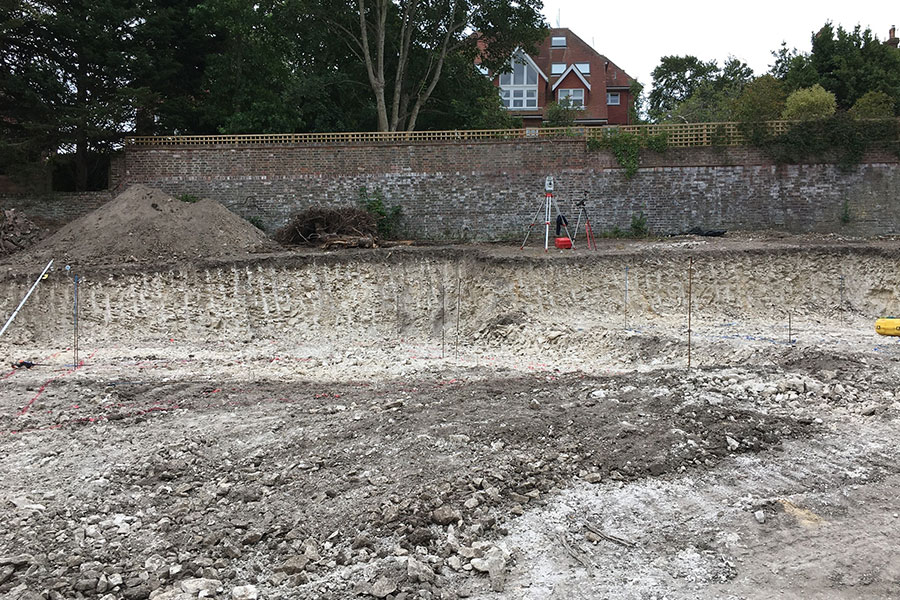
Across the city the natural ground is broadly sandstone and mudstone with glacial sands, gravels and clay over the top, and it changes noticeably from one side of a site to the other. Sitting on all of that is made ground, sometimes a lot of it, from generations of clearance and rebuilding. Expect old slabs, machine bases, brick footings, filled cellars, buried tanks and services that never made it onto a drawing. On former works and yards, contamination and asbestos in the fill are a real possibility, and towards the western edge of the city, near the Black Country, historic mining is worth checking before anyone commits to a foundation design. We plan the dig around the survey and the site investigation, not around a guess.
Access, the Middleway and Getting Muck Out
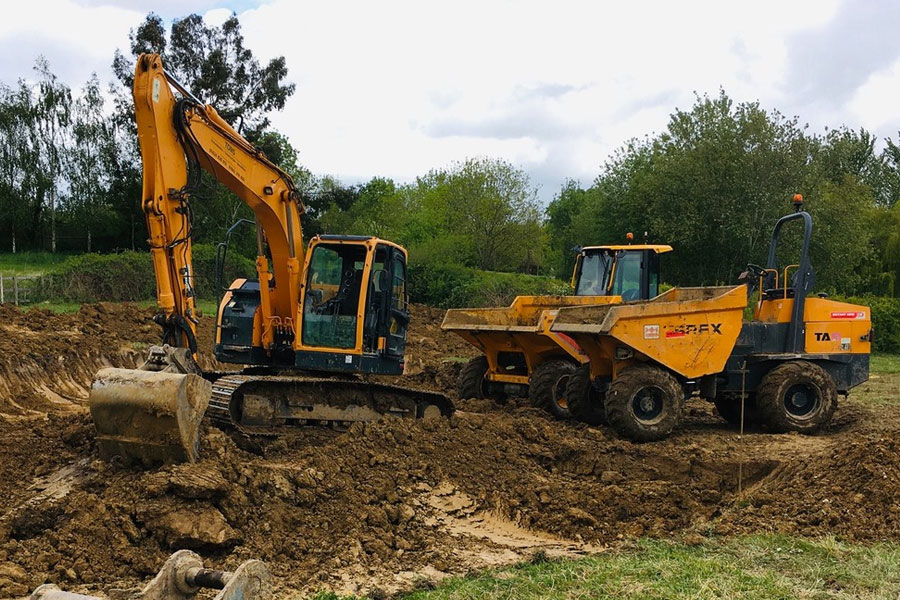
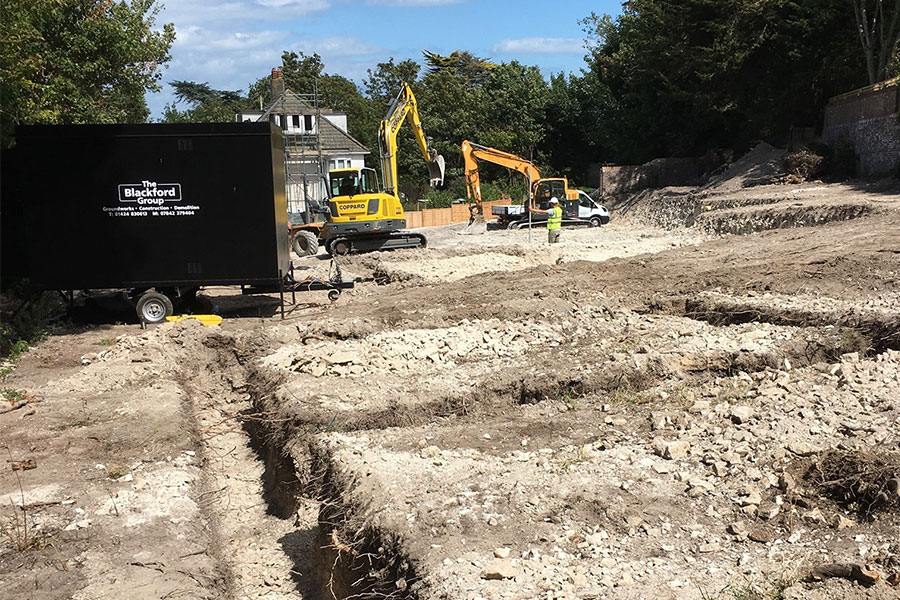
Birmingham is easy to reach and awkward to work in. The Clean Air Zone covers the area inside the A4540 Middleway, so non compliant vehicles pay to enter and haulage has to be planned around it. Inside the ring road you have canal bridges, rail viaducts, one way systems, bus lanes and pedestrian routes to keep open, and out in the terraced suburbs the streets are narrow with parking on both sides. Deliveries and muck away often need to be timed away from the school run and the rush on the A38 and A45. We size the plant to the access rather than the other way round, and where a road closure, permit or hoarding licence is needed we get it through Birmingham City Council before the job starts.
Heritage, Neighbours and Water
The city has a long list of conservation areas and listed buildings, from the Jewellery Quarter and Digbeth to Moseley, Edgbaston, Handsworth and the Bournville estate, where the Village Trust adds its own controls. That changes what can be taken down, how it comes down and what has to be recorded first. Most demolition here also happens with somebody living or trading a few feet away, so party wall notices, temporary support, dust suppression and noise hours matter as much as the machine work. Water is the other one to watch. The Rea, the Cole and the Tame all run through the city, some of it culverted and out of sight, and low lying ground near those routes needs the drainage and flood position confirmed early.
Where we work
Areas We Cover Around Birmingham
Digbeth
The old industrial quarter just south east of the centre, full of brick factories, viaducts and yards, now rebuilding around Curzon Street. Suits strip out, structural demolition and site enabling on tight plots.
Jewellery Quarter
Dense conservation area of small workshops and Georgian and Victorian buildings. Work here tends to be careful strip out, partial demolition and underpinning rather than anything swung from a big machine.
Edgbaston
Large Victorian villas, the Calthorpe estate and a lot of hospital and university land. Basement digs, underpinning and groundworks for extensions, plus enabling work on institutional sites.
Selly Oak
Student housing, hospital land and the sites off the Bristol Road, with the River Rea running close by through Selly Park. Groundworks, drainage and enabling work ahead of new build.
Erdington
Victorian terraces and interwar semis, with older industrial land towards Witton and Aston. Good ground for clearing redundant units and getting a site ready for housing.
Sutton Coldfield
Larger detached houses on mature plots near Sutton Park. Mostly domestic groundworks, basements, underpinning, level changes and the careful removal of outbuildings and garages.
Bournville
The Cadbury model village, with a conservation area and Bournville Village Trust controls over what can be altered. Anything structural needs the permissions lined up before a machine arrives.
Tyseley
A working industrial area with rail sidings and waste and energy uses along the Warwick Road corridor. Straightforward heavy demolition, hardstanding, drainage and muck away.
Handsworth
Tight Victorian terraces and busy shopping streets around Soho Road. Party wall care, dust and noise control and restricted access are the deciding factors on most jobs.
Longbridge
The former car plant land, now a mix of retail, housing and employment units. Large scale enabling, remediation and groundworks on ground with a long industrial history.
Who we work for
Clients We Look After in Birmingham
Commercial and City Centre
Offices, retail units, pubs, schools and health buildings across Birmingham, from a full soft strip and internal demolition ahead of a refit to taking a building down to the slab. On city centre plots that usually means scaffolded facades, hoardings to the footpath, controlled loading times and keeping the neighbouring units trading while work goes on next door. We handle the strip out, the structure, the slab, the dig and the levels for whatever comes next.
Industrial and Former Works Land
Factories, warehouses, workshops and yards in places like Tyseley, Nechells, Witton and along the canal and rail corridors. Steel frames, heavy slabs, deep bases, tanks, gantries and hardstanding all come out, and the ground gets dealt with properly rather than covered over. Site enabling and remediation, crushing and reuse where the material allows, haulage and muck away for the rest, then piling and groundworks so the plot is ready to build on.
Residential and Domestic
Everything from clearing a redundant house or a run of garages to underpinning a Victorian terrace, digging a basement under an Edgbaston villa or forming foundations and drainage for a new build in Sutton Coldfield or Kings Norton. Terraced and semi detached work brings party walls, shared drains and a neighbour on the other side of the brickwork, so support, sequencing and keeping the site tidy are part of the job, not an afterthought.
FAQs
Birmingham Questions
The things people in Birmingham ask us most. If your question is not here, call 01424 830613 and we will answer it straight.
Do you actually cover Birmingham from East Sussex?+
Yes. We work nationwide and Birmingham is a regular run for us. The yard is at Upper Wilting Farm, St Leonards-on-Sea, and plant and lorries go up the A21, round the M25 and north on the M40 and M42, roughly two hundred miles. Because we own the plant and the fleet, mobilising that distance is a planning exercise rather than a problem. Call 01424 830613 and we will come and look at the site.
Who has to be told before demolition starts in Birmingham?+
Birmingham City Council is the authority for the city, so demolition notices go to their building control team and any work in the highway needs their permission too. That covers skips, hoardings, scaffold licences, footway closures and full road closures. Planning consent may also be needed, particularly in a conservation area or where a building is listed. We handle the notices and licences as part of the job so nothing holds the programme up.
The building is attached to my neighbour. What happens about party walls?+
Most Birmingham terraces and semis share a party wall, and that means notices under the Party Wall etc. Act 1996 before work begins, usually with a surveyor involved and a schedule of condition recorded. On our side we deal with the practical part: temporary support and propping, taking the structure down in the right order, weatherproofing the exposed wall and making good. We would rather sort the sequence out with the neighbour early than argue about cracks later.
What if there is asbestos in the building?+
Assume there is until a survey says otherwise, especially in anything built or refitted before the year 2000. A refurbishment and demolition survey is the starting point and it should happen before we price the strip out. Licensed work is carried out by a licensed contractor under the correct notification, non licensed material is removed and consigned properly, and the paperwork comes back to you. We plan the demolition sequence around the survey findings, not around a hope.
Where does the muck and rubble end up?+
It goes out on our own lorries under the Haulage and Muck Away side of the business, with a licensed carrier and waste transfer notes for everything that leaves site. Where the material allows, we crush and reuse concrete and brick on site as fill or piling mat, which cuts the number of loads on the road. Vehicle movements in and out of the city centre are planned around the Clean Air Zone and around the peak periods on the A38 and A45.
Our street is narrow with parking on both sides. Can you still get plant in?+
Usually, yes. A lot of Birmingham work happens on Victorian terraced streets, in back yards and behind shop frontages, so we size the machines to the access instead of insisting on the biggest one. That can mean smaller tracked excavators, remote demolition plant, hand demolition on the sensitive parts and a timed delivery and removal plan. Where a suspension of parking bays or a short closure is needed, we arrange it with the council first.
Recent Work
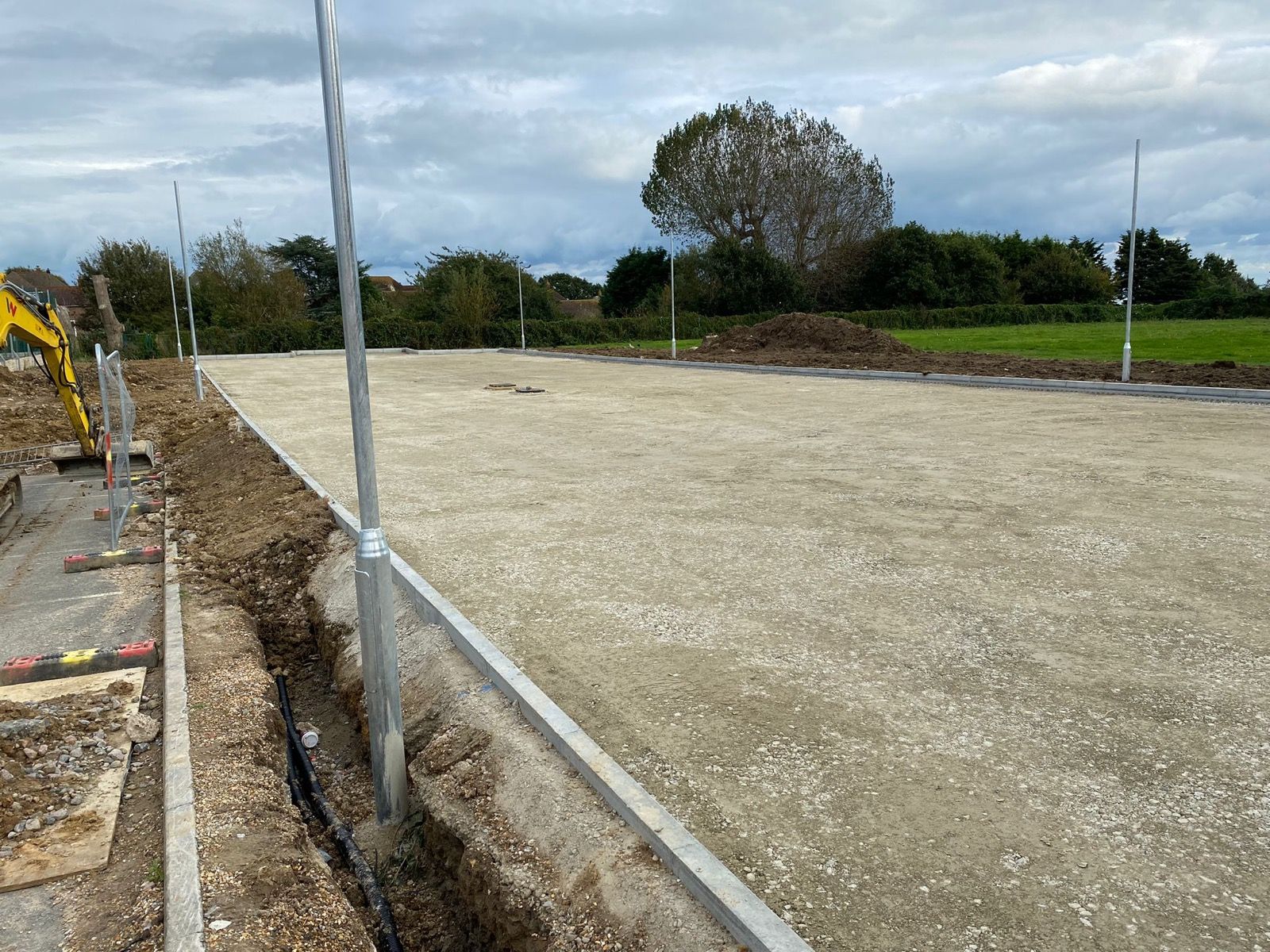
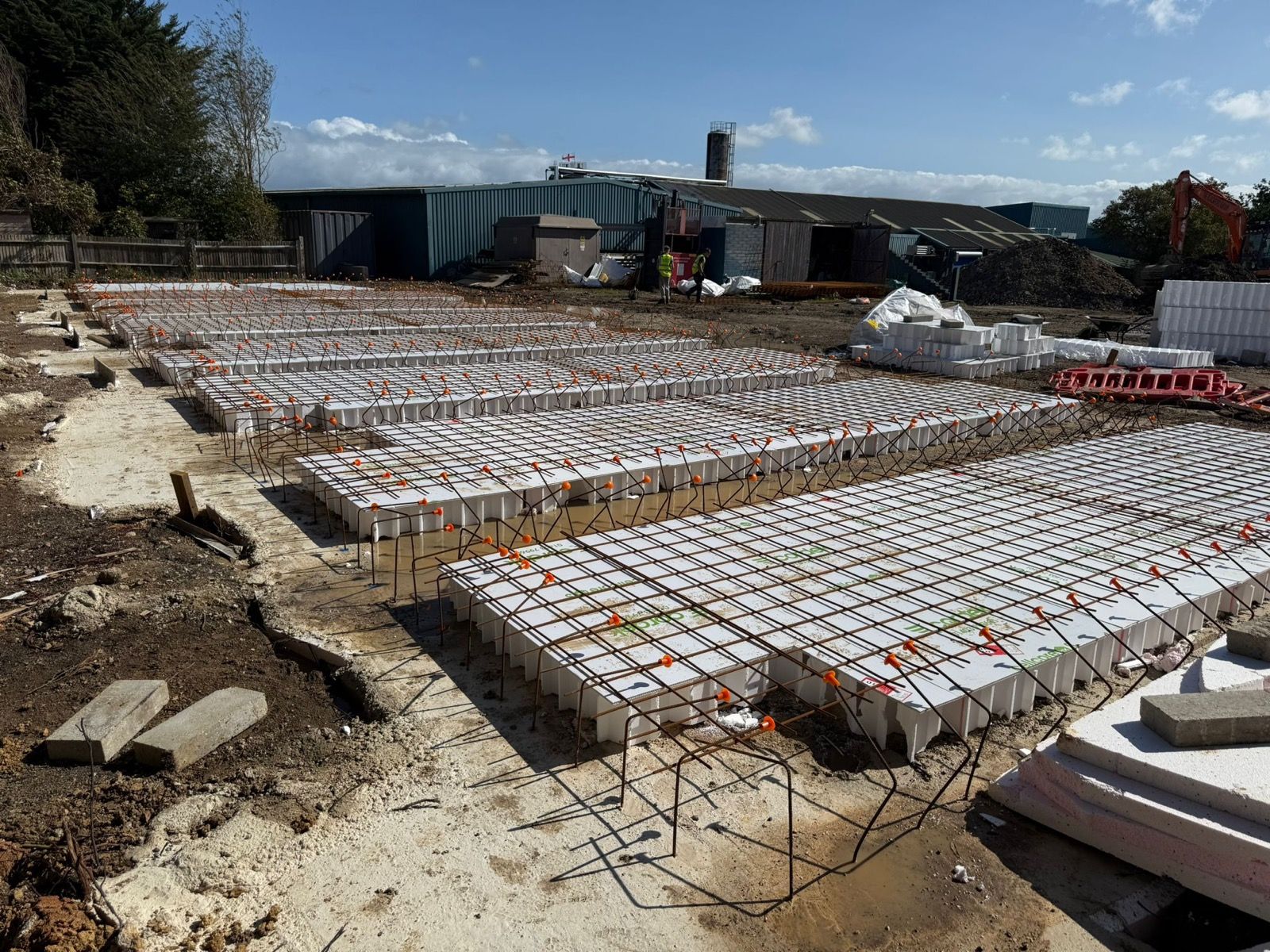
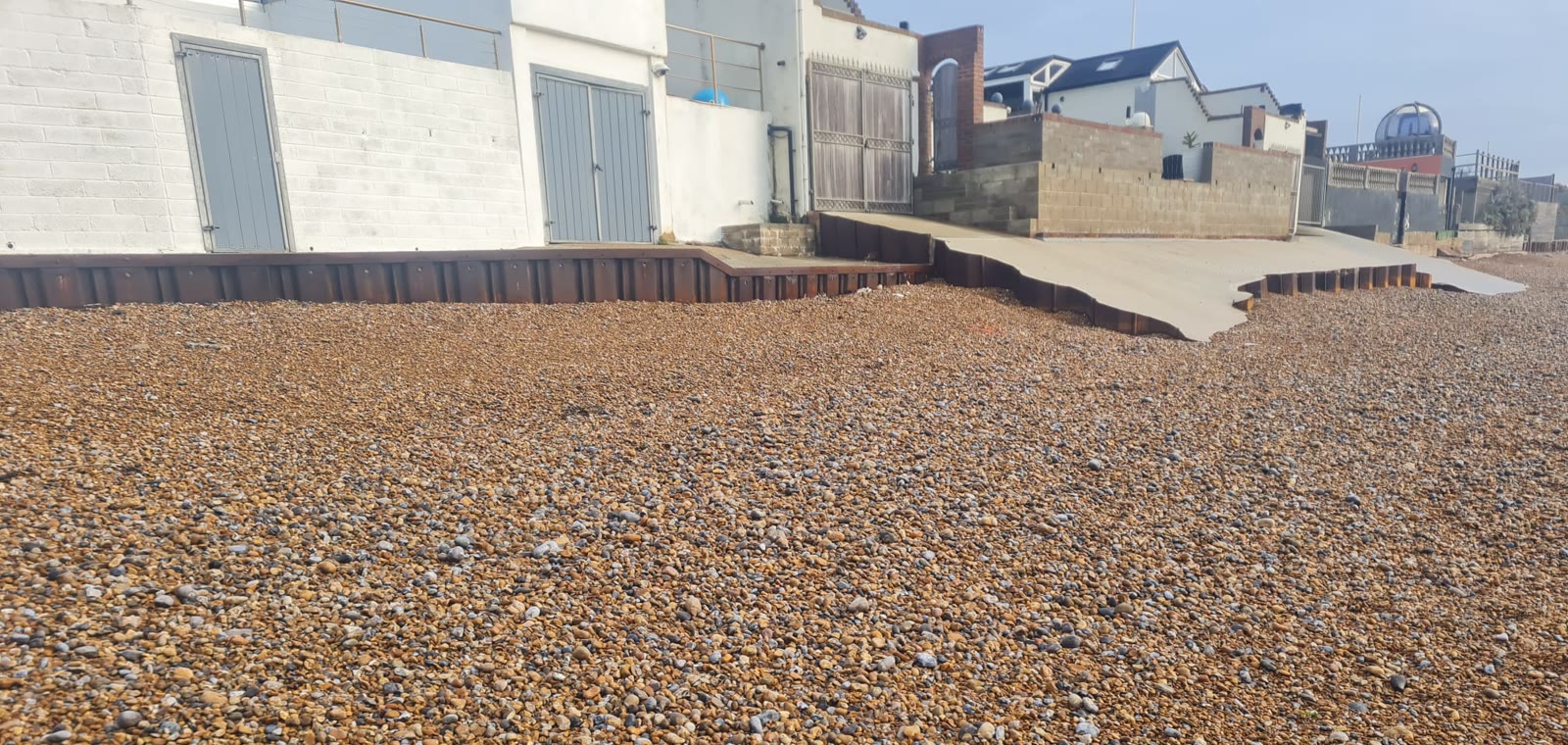
If you have a site in Birmingham, whether it is a city centre building to strip and take down, an old works to clear and remediate, or a terraced house that needs underpinning, we are happy to come and look at it. Send over the drawings, the survey reports and anything you already know about the ground, and we will give you a straight answer on how we would approach it and what it involves. Call The Blackford Group on 01424 830613 to talk it through.
Planning Work in Birmingham?
Tell us what you need moving, clearing or building and we will come back with a straight answer and a fair price.