
Bexhill-on-Sea, East Sussex
Demolition and Groundworks in Bexhill-on-Sea
Demolition, groundworks and site clearance in Bexhill-on-Sea. Own plant, own fleet, every stage in-house. Call The Blackford Group on 01424 830613.
Working in Bexhill-on-Sea
Demolition & Groundworks in Bexhill-on-Sea
Bexhill-on-Sea is a seaside town in Rother, laid out for the most part between the 1880s and the 1930s and still very recognisable as that town today. Long runs of Victorian and Edwardian villas sit behind the seafront, interwar semis fill the roads inland, and whole streets of post-war bungalows spread north and west towards Sidley and Little Common. The De La Warr Pavilion anchors the promenade, Rother District Council runs planning and building control from offices in the town, and the overall feel is quiet and residential. That character shapes almost every job we do here.
Access is straightforward once you know the town. The A259 runs the whole length of it along the coast, coming in from St Leonards past Glyne Gap in the east and heading out through Little Common and Barnhorn Road towards Pevensey in the west. The A269 climbs north through Sidley towards Ninfield, and the A2036 gives a second route north from Little Common. Combe Valley Way links the north eastern edge of Bexhill across to Queensway and the A21 at Hastings, which is how most heavy plant and muck away lorries should be reaching the town rather than grinding through the middle of it. Our yard at Upper Wilting Farm, St Leonards-on-Sea sits a few miles east of Bexhill, close to that link road.
Development in Bexhill happens in a few clear places. The largest is north east Bexhill, where the link road opened up former farmland for new housing and employment units. Then there is the older trade and light industrial stock around Beeching Road near the station, which has been in the frame for change for years. Everything else tends to be infill: a bungalow on a wide plot coming down to make way for a pair of houses, a garage block or workshop behind a shop being cleared, a tired seafront block taken back to slab. Small sites, close neighbours, and not much room to work in.
That mix is what dictates the method. On a plot in north east Bexhill you may be starting with bulk muck shift, attenuation and access roads on heavy clay. On a town centre plot you are far more likely to be hand demolishing against a party wall, working around a shop that is still trading, and taking spoil out through a single gate. We plan both the same way: survey first, know what is in the building, know where the services run, and agree with Rother District Council and East Sussex County Council what needs a notice or a licence before anything moves.
Our services
What We Deliver in Bexhill-on-Sea
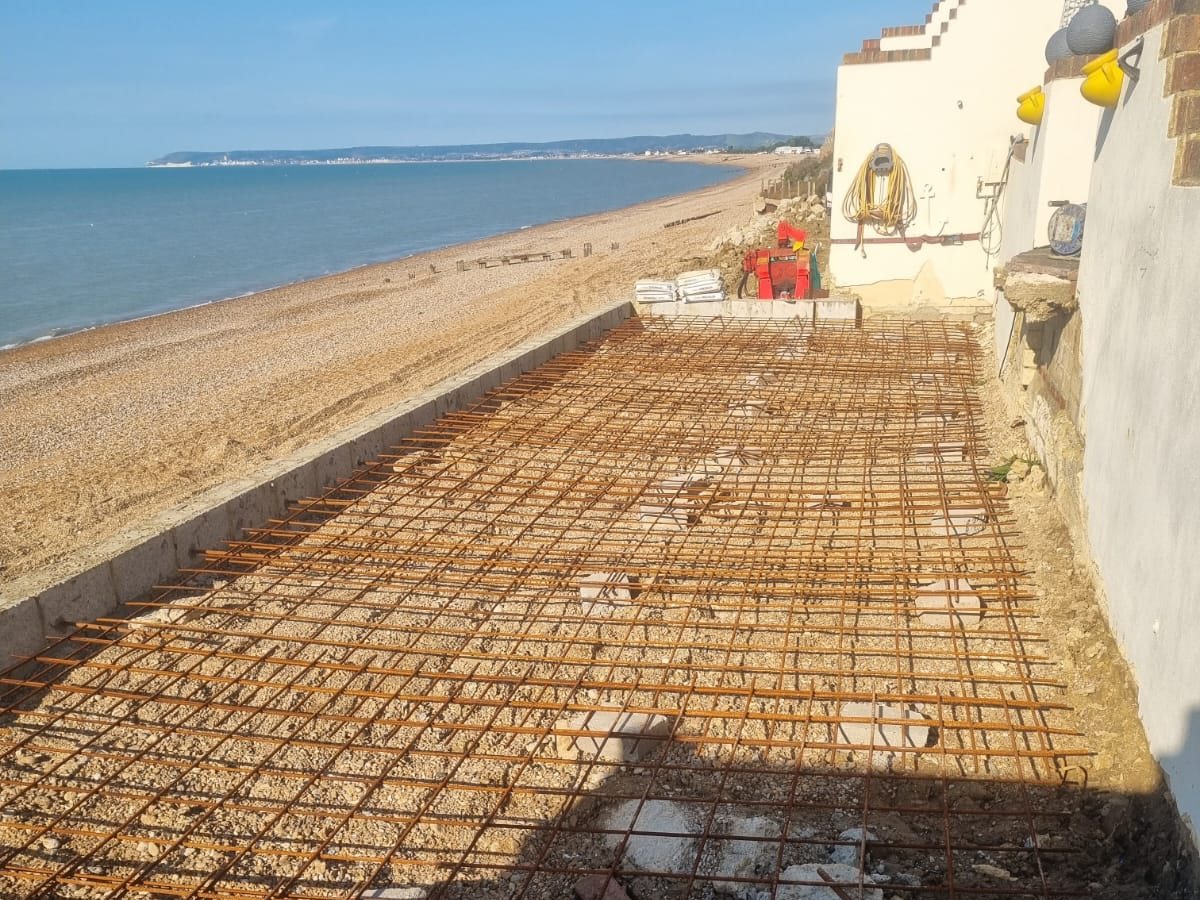
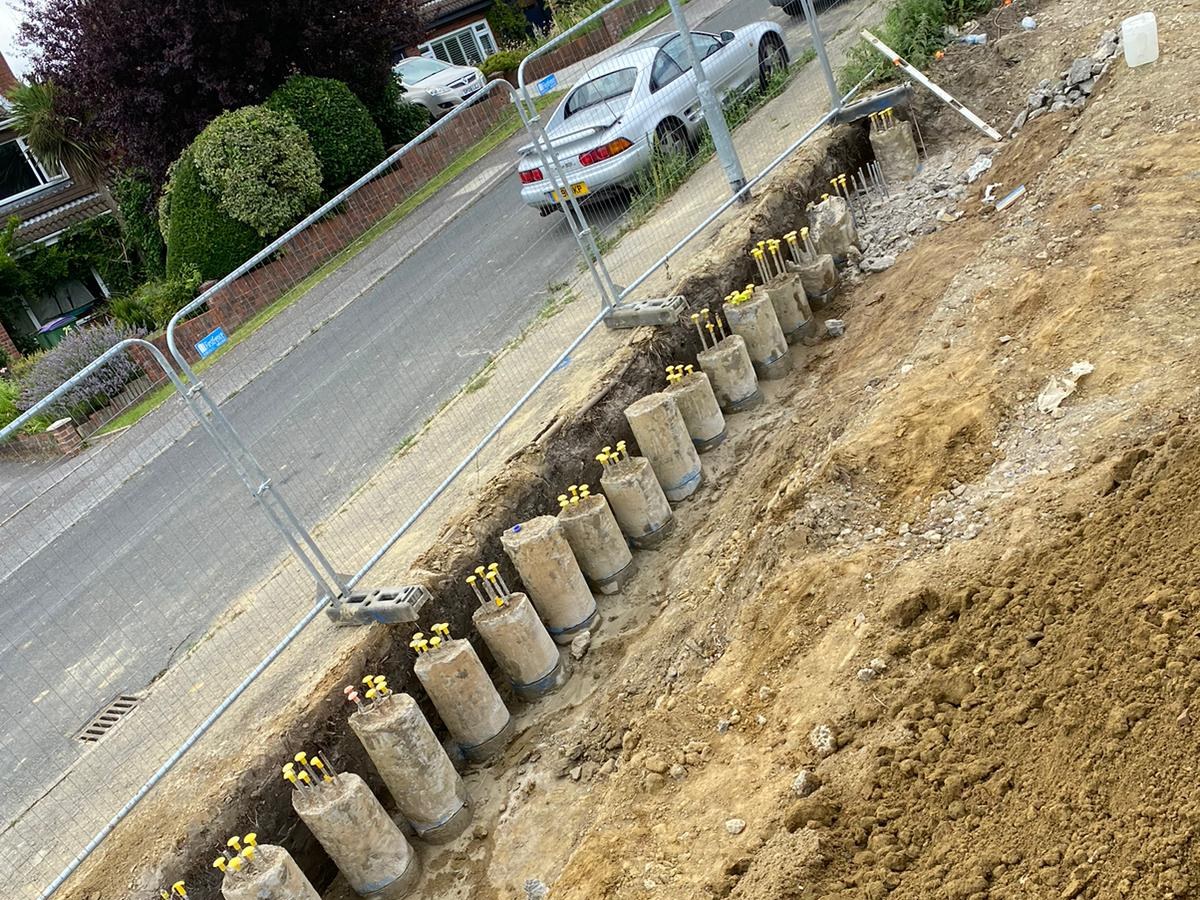
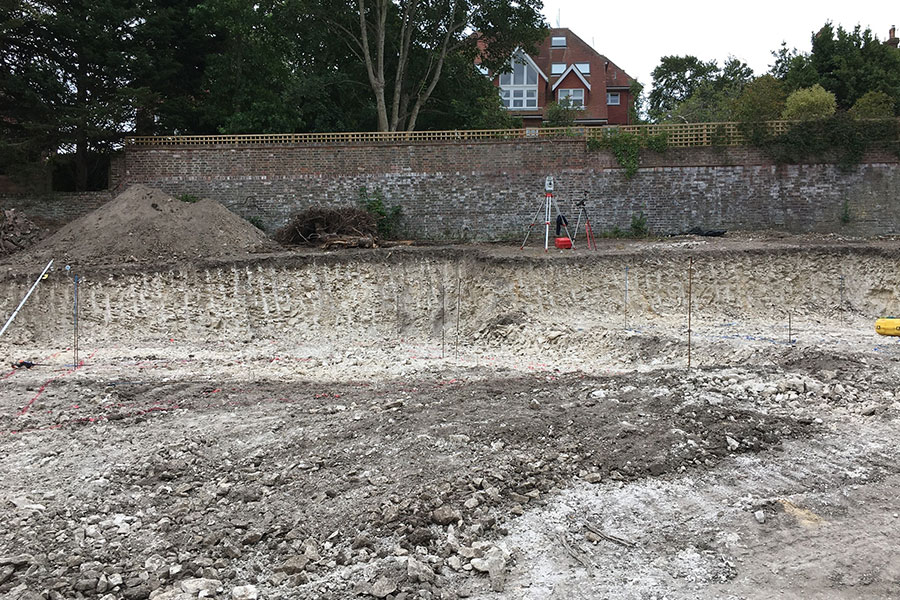
The eight divisions are Demolition, Strip Out, Groundworks, Site Enabling and Remediation, Haulage and Muck Away, Sea Defence, Piling and Underpinning, and they all sit under one roof with our own plant and our own fleet. On a Bexhill-on-Sea job that means the same outfit can soft strip a unit on Devonshire Road, take the structure down, clear and treat the ground, pile or underpin where the clay and made ground demand it, dig and lay the drainage, and cart the spoil away on our own lorries. One contractor, one programme, one number to ring, and no gaps between trades where a site sits idle waiting for somebody else to turn up.

On the ground
What Bexhill-on-Sea Sites Actually Need.

Clay, Sand and Made Ground Under Bexhill
Bexhill sits on the Wealden beds that run through this part of East Sussex, so most sites give you stiff clay, sandstone or a mix of the two within a spade's depth. Clay of that sort shrinks and swells with the weather and with nearby trees, which is why local foundations often end up deeper than the owner expected, and why underpinning comes up so often on older bungalows and Victorian villas. Head west or north east towards the low ground of Combe Haven and the Pevensey Levels and it changes completely: soft alluvium, silt and peat, where piling or ground improvement is the honest answer rather than a deeper trench. Older commercial ground near Beeching Road, the railway and Pebsham can also hold made ground, buried slabs, tanks and fill from previous use, so we dig trial holes and take advice before anyone prices a foundation.
Getting Plant in and Muck Out
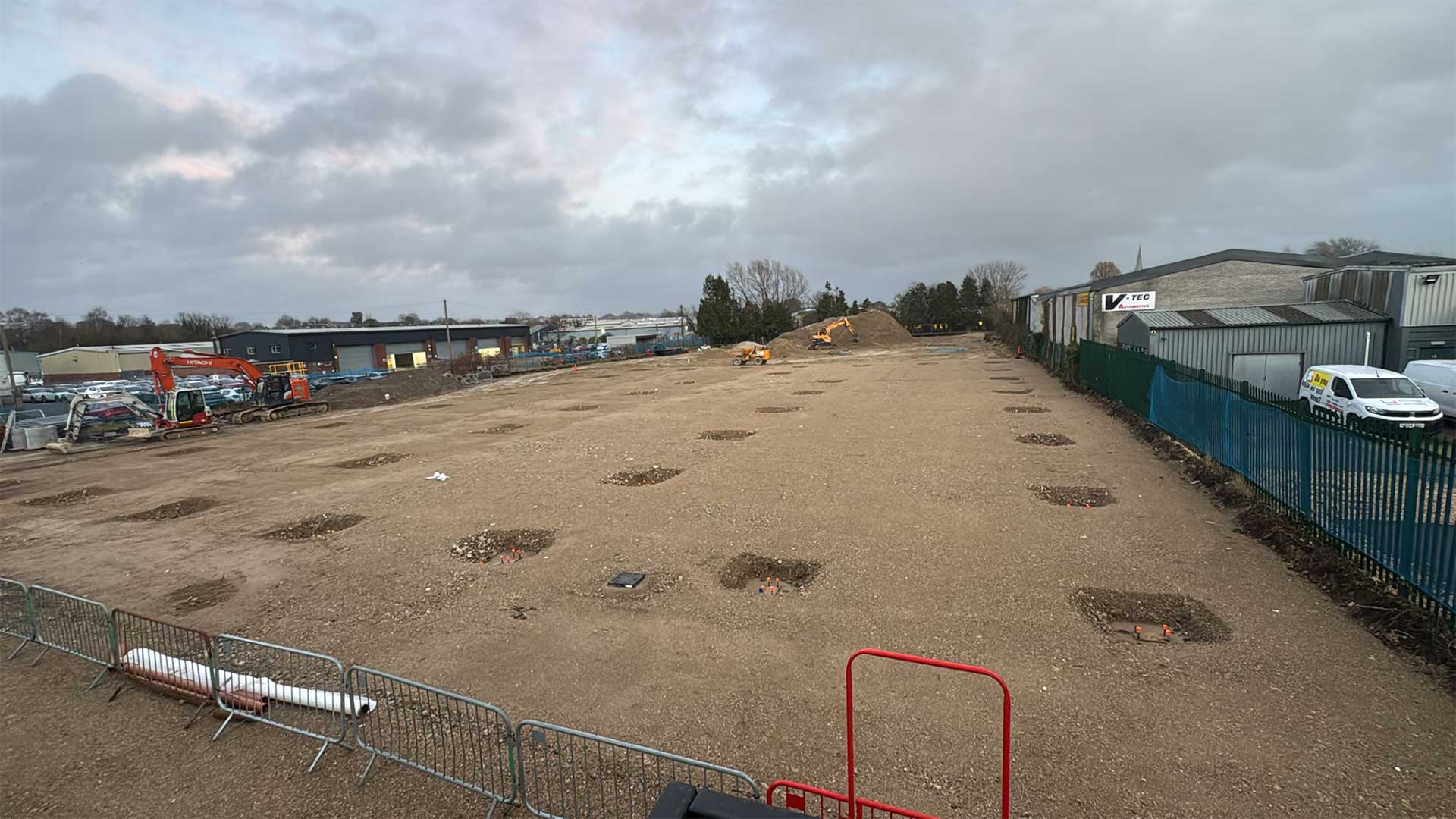
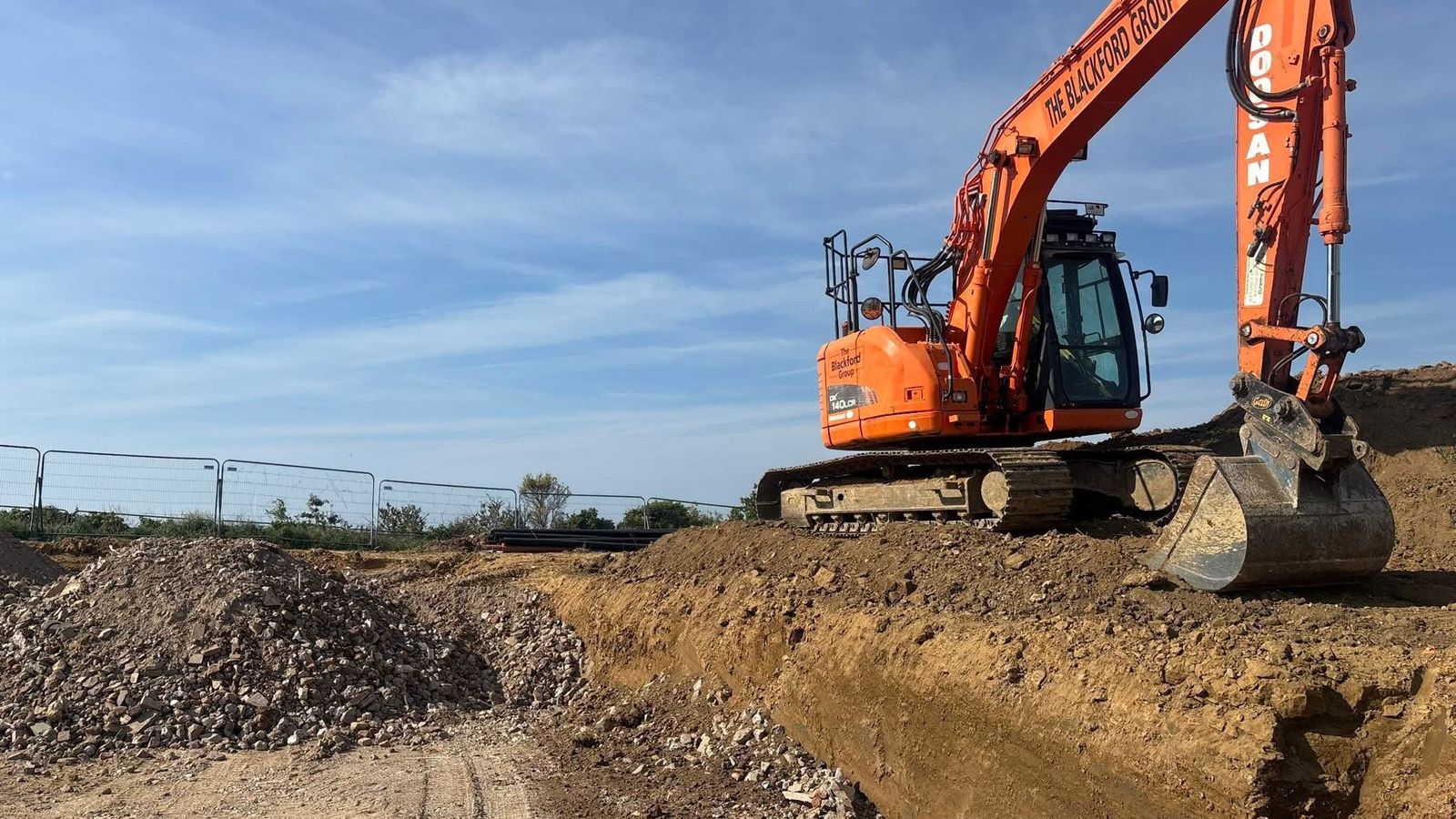
The A259 is the only continuous route along this stretch of coast and it is busy through Bexhill for most of the day, so lorry movements are worth planning around the school run and the seafront traffic. In the town centre, around Devonshire Road, Western Road and the Old Town lanes, streets are narrow and parked solid, which usually means smaller tracked machines, grab lorries rather than eight wheelers, and a properly agreed loading point. Anything that touches the highway, so skips, scaffold, hoarding, a parking suspension or a road closure, goes through East Sussex County Council as highway authority, and that is far better applied for early than the week before. Neighbours are close in most of Bexhill, so working hours, dust suppression and where the wagons wait all get agreed before we start.
Water, the Coast and Protected Buildings
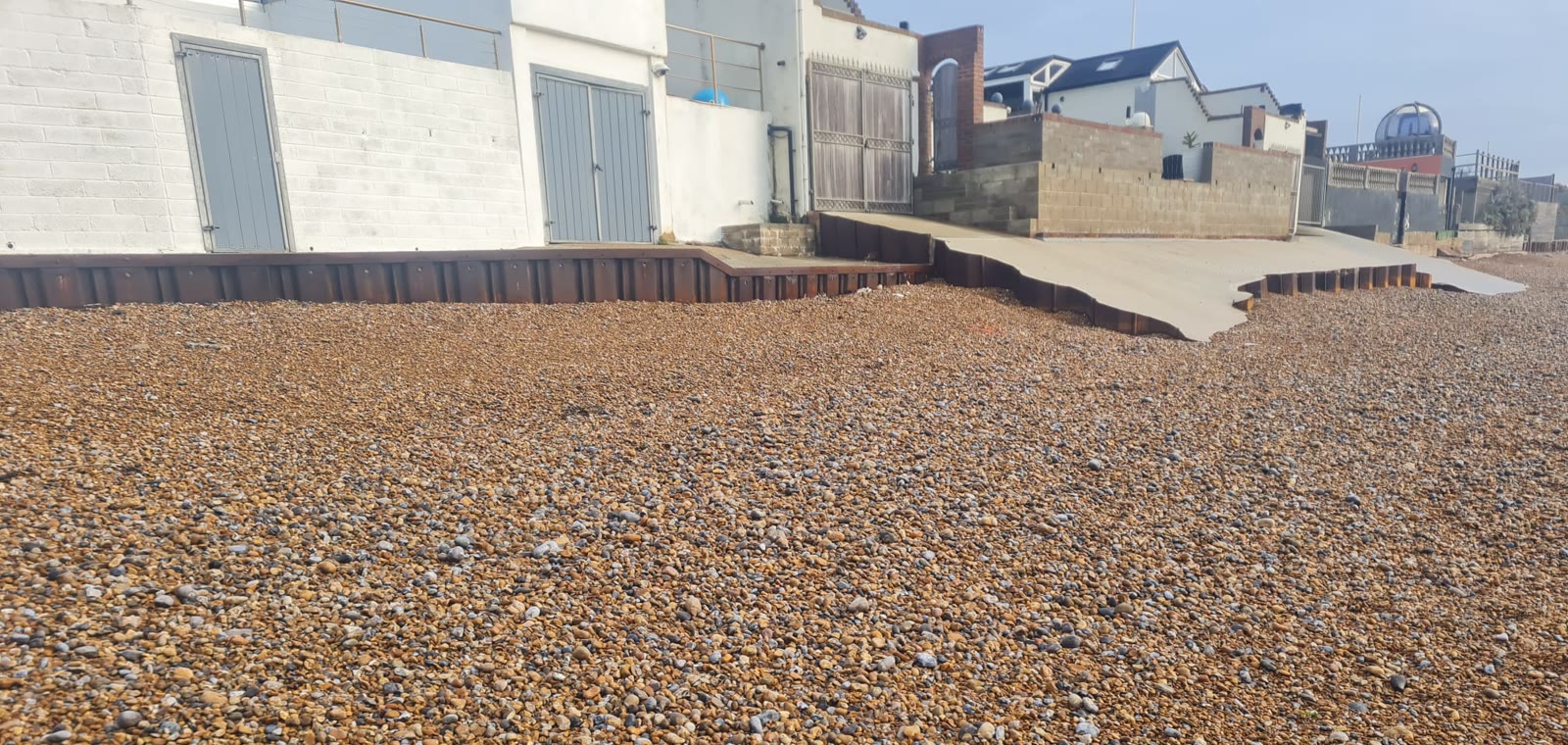
Low-lying parts of Bexhill and the land towards Combe Haven and the Levels carry real flood risk, and surface water is a live issue on clay where very little soaks away. New work usually needs attenuation, permeable surfacing or a proper outfall agreed with Southern Water or with East Sussex County Council as lead local flood authority, rather than a soakaway that will never work. On the seafront, salt, shingle and wave action drive everything, and our sea defence division handles the harder end of that, including revetment, groyne and sea wall work and the access needed to do it. There are conservation areas across the town, taking in the Old Town and parts of the seafront, and listed buildings including the De La Warr Pavilion, so on those sites the consent, the method statement and the record of what comes out matter as much as the machine you bring.
Where we work
Areas We Cover Around Bexhill-on-Sea
Sidley
Sidley sits north of the town centre around Ninfield Road, with its own shops and a lot of older terraced and semi-detached housing. Plots are tight and kerbside parking is heavy, so it suits smaller machines and phased muck away.
Little Common
Little Common is the village end of west Bexhill, gathered around the roundabout on the A259. Interwar houses, bungalows on generous plots and newer building along Barnhorn Road make it steady ground for demolish and rebuild work.
Cooden
Cooden runs down to the beach and the golf course, with larger detached houses on wide plots. Replacement dwellings are common here, which usually brings full groundworks, deeper foundations and new drainage runs with them.
Collington
Collington covers the western side between the seafront and the railway, with Edwardian and interwar housing on broad avenues and its own small station. Access is usually decent, but the streets are residential so lorry movements need planning.
Bexhill Old Town
The Old Town sits up the hill around St Peter's Church and the Manor Barn, and holds the oldest buildings in Bexhill along with some very narrow lanes. Work here tends to be strip out, small plant and hand demolition rather than anything heavy.
Glyne Gap
Glyne Gap is the retail and leisure strip on the eastern edge where Bexhill meets Hastings, with larger units and open car parks. It suits commercial strip out, slab removal and site enabling, with room for full size plant.
Pebsham
Pebsham sits on the eastern edge next to Combe Valley Countryside Park, mixing housing with older industrial and former waste ground. Conditions vary a lot, so trial holes and a proper look at made ground are worth the time.
Ninfield
Ninfield is the village north of Bexhill on the A269, with farm buildings, barns and larger rural plots. Barn demolition, agricultural conversions, access tracks and private drainage are the usual jobs up there.
Lunsford's Cross
Lunsford's Cross is the junction north of Sidley where the routes towards Ninfield and Boreham Street divide, with yards, scattered housing and light industrial units. Lorry access is good, which helps on larger clearance work.
Hooe
Hooe lies west of Bexhill on the edge of the Pevensey Levels, low-lying and rural. Soft ground, ditches and land drainage dominate, so ground improvement, piled foundations and careful tracking on wet land are normal.
Who we work for
Clients We Look After in Bexhill-on-Sea
Commercial Sites in Bexhill
Shops along Devonshire Road and Western Road, offices, hotels and guest houses near the seafront, care homes, schools and the larger retail units at Glyne Gap all need the same care, because you are working next to somebody who is still trading or still living there. We soft strip and strip out back to a shell, take out structure where the design calls for it, break up old slabs and car parks, and put in the foundations, drainage and hardstanding for whatever replaces them. Hoarding, dust control, out of hours working and a fixed loading point get agreed before anything starts.
Industrial and Employment Land
The older trade and light industrial stock around Beeching Road, the yards off the A269 and the newer employment land in north east Bexhill account for most of the industrial work in the town. That runs from taking down steel portal frames and workshops to grubbing out old foundations, removing tanks and fuel installations, dealing with made ground and contamination, then re-levelling and surfacing for the next use. Our haulage and muck away division moves the arisings, and we crush and reuse hardcore on site wherever it makes sense to do so.
Housing and Private Homes
Bexhill has a lot of bungalows and interwar semis sitting on plots worth more than the building, so replacement dwellings and backland plots are common, alongside the usual garage and outbuilding clearance. We take the old house down, clear the site, deal with any asbestos properly, then dig and pour the footings, run the drainage and form the driveway or access. On older properties we also underpin where clay movement or a neighbouring excavation has undermined the foundations, and we work to a party wall award where one is in place.
FAQs
Bexhill-on-Sea Questions
The things people in Bexhill-on-Sea ask us most. If your question is not here, call 01424 830613 and we will answer it straight.
Do you cover Bexhill-on-Sea?+
Yes. Our yard is at Upper Wilting Farm, St Leonards-on-Sea, a few miles east of Bexhill, so plant and lorries come across on the A259 or down Combe Valley Way and are on site quickly. We work nationwide as well, but this stretch of the East Sussex coast is on our doorstep. Call 01424 830613 and we will come and look at the site.
What permissions does a demolition in Bexhill need?+
Most demolition needs a notice to Rother District Council building control before anything starts, and the council can set conditions covering how the site is shored, made safe and cleared. Planning permission or prior approval may also apply, particularly in a conservation area or on anything listed. Skips, hoarding, scaffold and road closures are licensed separately by East Sussex County Council as highway authority. We deal with all of it as part of the job.
My house is attached to next door. Where does the Party Wall Act come in?+
Bexhill has a lot of semis and terraces, so party walls come up constantly. If you are cutting into a shared wall, taking one down or excavating close to a neighbour's foundations, notice is served under the Party Wall etc. Act 1996, and if the neighbour does not agree, surveyors settle an award. Starting that is the building owner's job, but we work to whatever the award says: temporary support, making good, weatherproofing the exposed wall and agreed working hours.
How do you handle asbestos?+
Anything built or refurbished before 2000 can hold asbestos, and that covers most of Bexhill's housing and nearly all of its older commercial and industrial stock. A refurbishment and demolition survey comes first so everyone knows what is there and where. Licensed material is removed by a licensed contractor and consigned as hazardous waste before demolition begins. We will not start breaking anything up until that side is signed off and the paperwork is in hand.
Who takes the muck and rubble away?+
We do. Our haulage and muck away division runs our own tippers and grab lorries, so spoil, rubble and strip out waste leave on our fleet rather than on somebody else's. Everything goes to a permitted site with transfer or consignment notes, and we keep the records for you. Where it makes sense we crush concrete and brick on site and reuse it as fill, which cuts the number of lorry movements through the town.
Can you get plant into a narrow street or a rear garden?+
Plenty of Bexhill streets are narrow with cars parked both sides, particularly the Old Town lanes, the roads behind the seafront and much of Sidley. We look at the access before we price and size the plant to the gate rather than the other way round: smaller tracked machines, grab lorries instead of eight wheelers where the road is tight, and parking suspensions or traffic management arranged with East Sussex County Council. Where a plot has no vehicle access at all, we can hand demolish and barrow out.
Recent Work
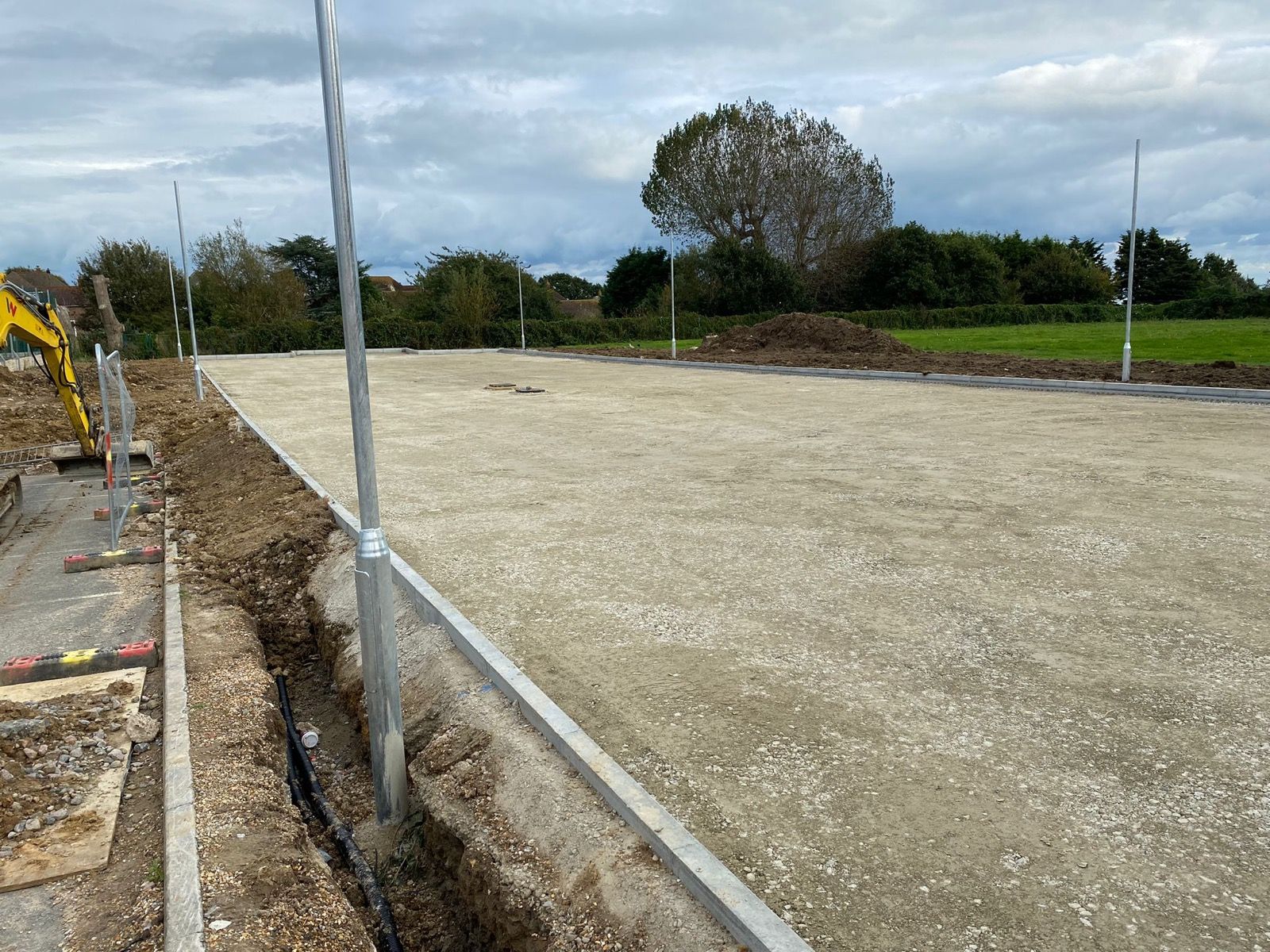
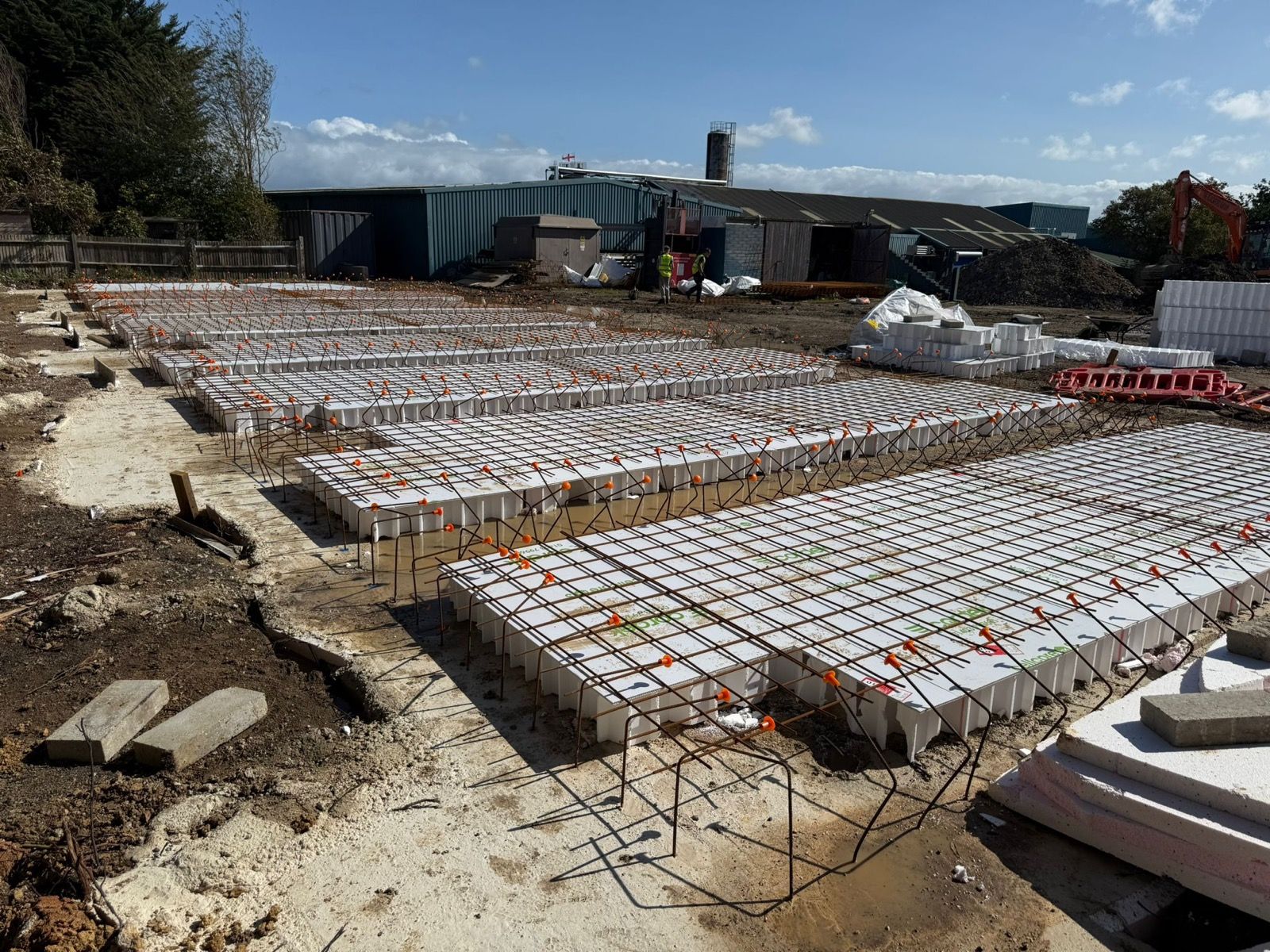
If you have something coming down, coming out or going into the ground in Bexhill-on-Sea, we are happy to come and look at it. Send drawings and any survey work you already hold, or simply tell us what is there and what you want left behind, and we will tell you how we would do it, what plant it takes and what it needs by way of surveys, notices and licences. Call The Blackford Group on 01424 830613, or send the details over and ask for a site visit.
Planning Work in Bexhill-on-Sea?
Tell us what you need moving, clearing or building and we will come back with a straight answer and a fair price.